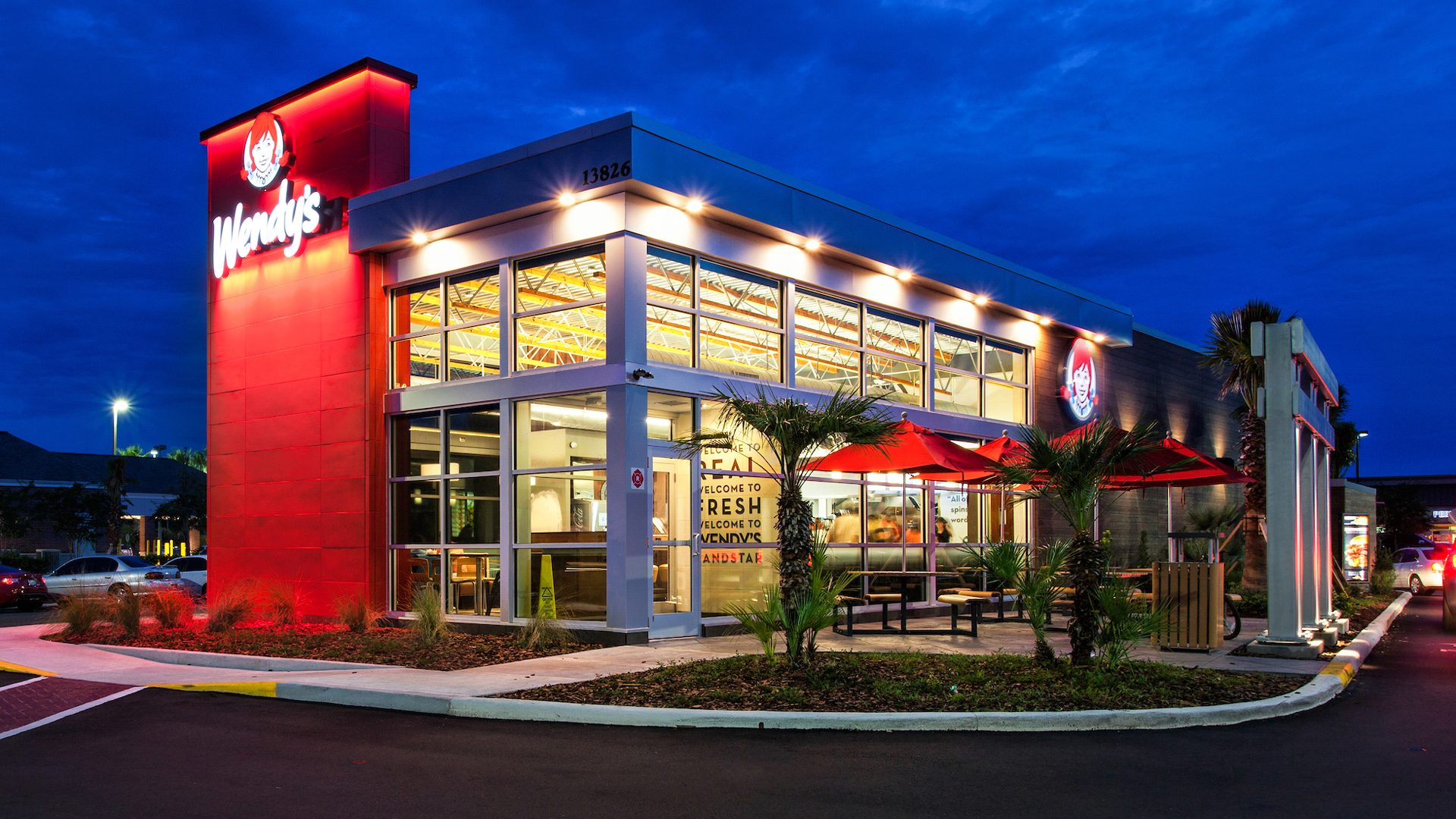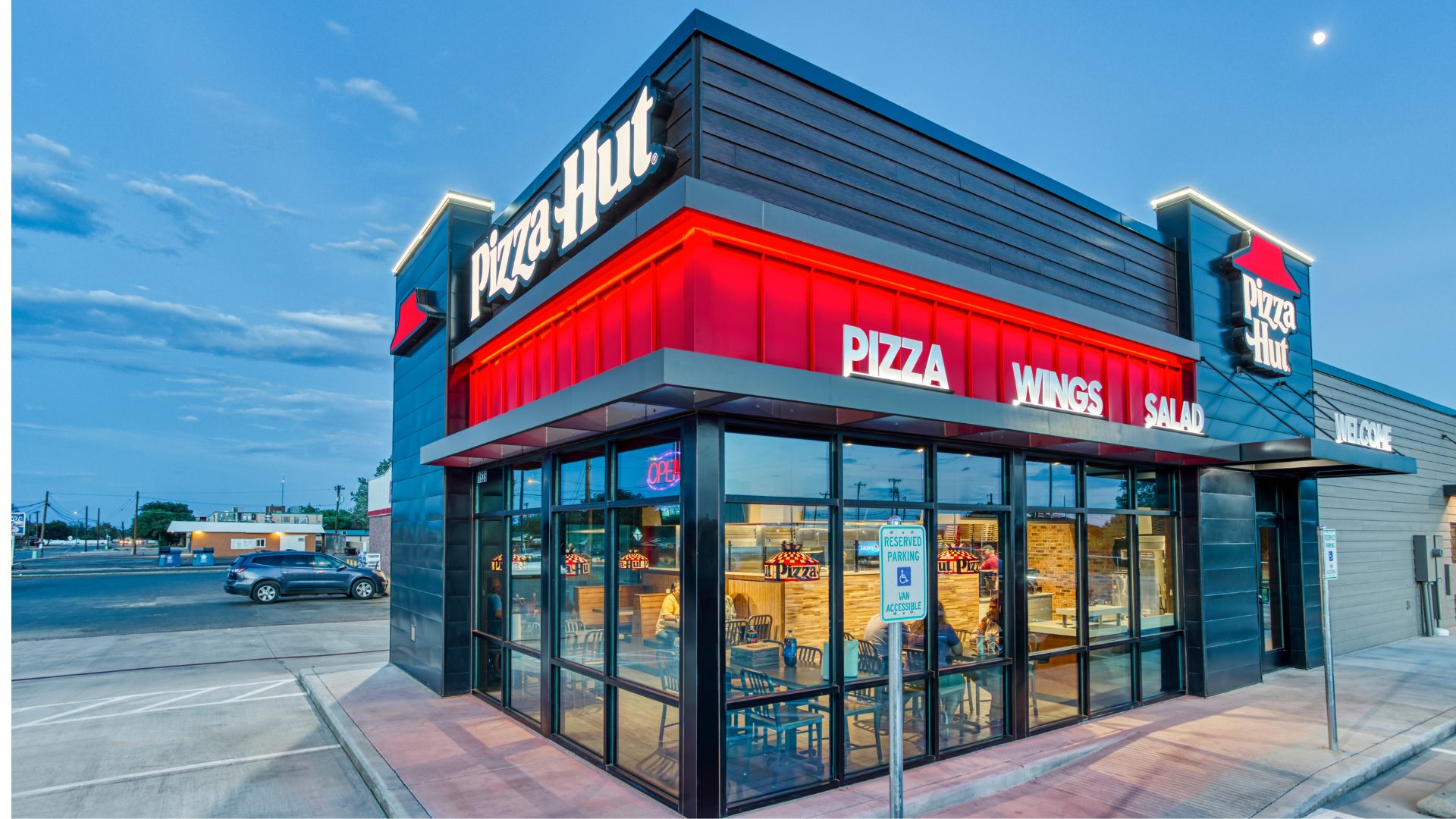
Footprint cutting is in vogue in today’s QSR landscape, and, following in the footsteps of Wendy’s great culling, Pizza Hut is targeting 250 “underperforming” locations by mid-year to get back into the green.
At this time, the locations themselves have not yet been disclosed. Pizza Hut-owner Yum Brands said last year that it was considering a sale of the brand, but it did not indicate that this factored into the recent closure announcement.
The closures are part of a “Hut Forward” initiative, explained Yum Brands CFO Ranjith Roy on the Q4 earnings call.
“This program includes alignment on a vibrant marketing program modernization of certain technology and franchise agreements, and Yum! providing a one-time contribution to marketing support, along with the approval of some targeted closures of underperforming units,” Roy said.
Additionally, Pizza Hut told Restaurant Business Online that its working with franchise partners to deliver near-term sales boosts while working towards a sustainable long-term strategy.
The chain is in dire need of a strategy shift as it continues to hemorrhage money through wavering sales and an overall conservative market. A 4% contraction of its current footprint, plus the marketing capital, may be enough to bring it back.
Pizza Hut has been struggling for a while. In 2025, same-store sales fell 5%, with the largest system-wide sales drop hitting the U.S. market at -7% for the year and -6% for Q4. In a dismal series of events, the latest earnings report showed nine consecutive quarters of same-store sales decline. The chain’s domestic business accounts for 40% of sales.
Compared to other global pizza chains, Pizza Hut continues to lag. Industry darling Domino’s latest Q3 earnings, for example, evidenced a 5.2% lift in same-store sales. Nevertheless, portfolio contractions are coming to the pizza space: Papa John’s, too, weathered a decline over the period, with same-store sales down 3%.
Within the Yum Brands portfolio, it is also a weight compared to Taco Bell, which experienced a 7% jump in same-store sales in Q4, and KFC (+3%). Worldwide system sales for the parent grew 5% despite Pizza Hut’s shortcomings.

The Bigger Picture
Pizza chains are in a precarious position. A recent McKinsey report on the state of restaurant consumers found that 45% of U.S. shoppers are planning to decrease their spending at pizza chains.
Overall, QSRs continue to struggle as food-away-from-home prices outpace at-home food spending. Naturally, this divide makes the classic QSR value proposition less compelling: cheap, convenient, tasty. When broken down by generation, key low- and high-income Gen Z demographics are decreasing their spending at these establishments at record rates, especially when compared to Millennials and Gen X.
Headwinds for chains abound—less attractive price differentials, consumer shifts toward healthier eating styles leading to ingredient concerns, and an overall pullback in consumer spending. Where Dominos has found its niche through promotions such as its Best Deal Ever and Parmesan Stuffed Crust pizza, which offer a price win or menu innovation that entices, Pizza Hut needs to define and communicate its differentiator, making efficient use of Yum Brands’ one-time financial lifeline.
Food for Thought Leadership
In this episode of Food for Thought Leadership, host Chris Campbell is joined by food and nutrition expert Marie Molde to explore how health and wellness trends are reshaping the food and beverage industry heading into 2026.