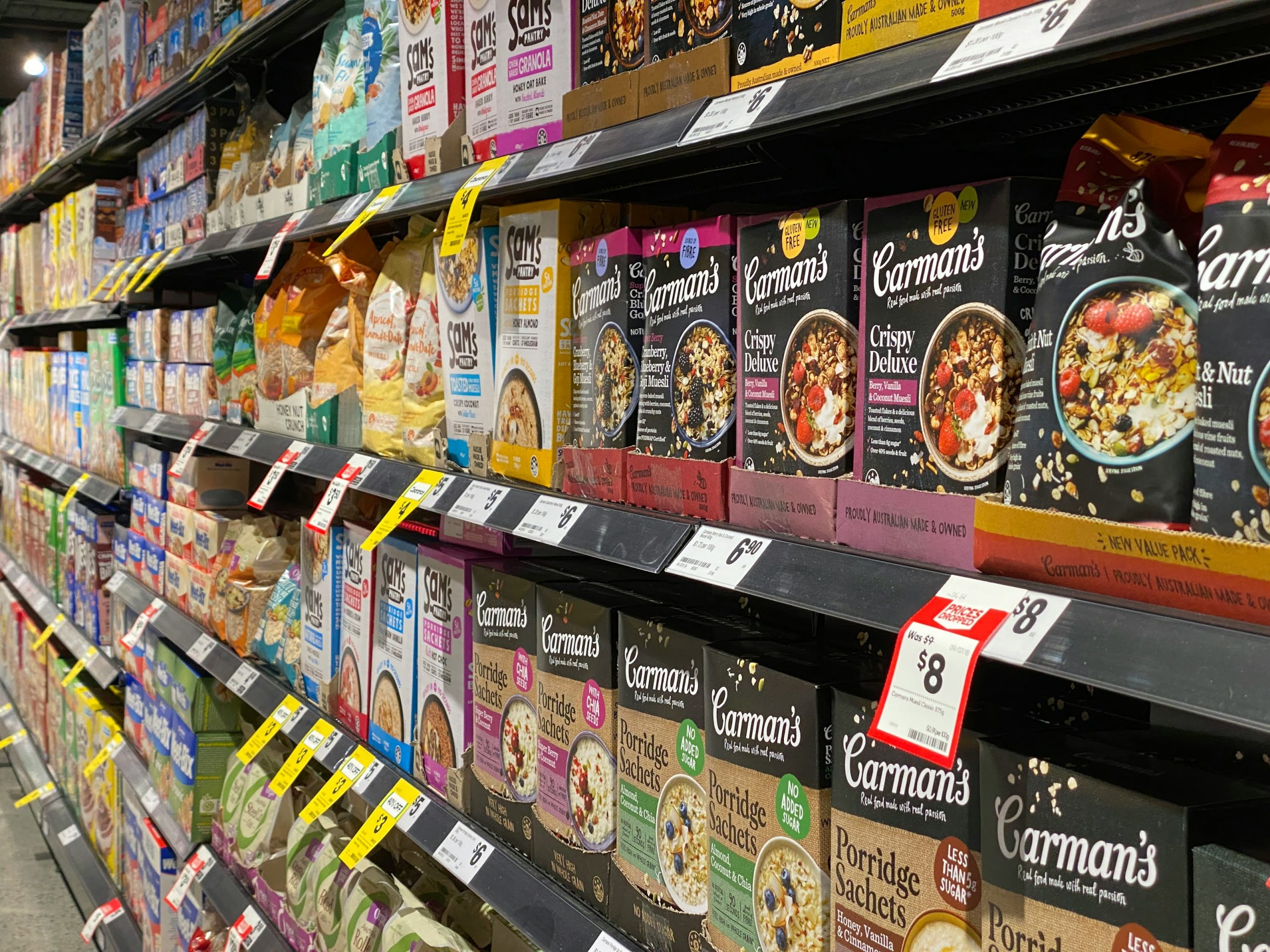
In the last few years, plant-based diets have earned a reputation for being “premium,” which often means “more expensive.” And this perception is accurate if the diet consists of large quantities of alt-dairy and alt-meat products, as sizable price-per-pound gaps persist among these items and their standard dairy and meat counterparts.
However, a sweeping new analysis of global food cost data from 2000-2025 published in Academia Nutrition & Dietetics in February reveals that, when consumers swap traditional meat and dairy products for everyday plant-based staples like beans, grains, and vegetables, their total grocery spending actually goes down, not up.
And in an era rife with high food inflation, and especially high beef prices, this research is particularly promising.
David Goldman, a co-author of the study and a registered dietitian who’s best known for his role as chief science advisor for the Netflix documentary The Game Changers, sat down with The Food Institute to discuss what these findings could mean for both cost-conscious consumers and the F&B industry at large.

Cost Savings of Whole-Food, Plant-Based Eating
Curious how much money a person can actually save by transitioning from a diet that’s rich in meat and dairy products to a plant-based lifestyle built on a foundation of whole foods?
While the percentages vary by region, studies show that the savings can range from 16-40%, according to Goldman.
“I was surprised by how consistently whole-food, plant-based diets save money in places like the U.S., Mexico, and Iran, but what really stood out was how big the perception gap is,” Goldman told FI.
“Even though the evidence shows that plant-based diets cost less, many people still think they’re more expensive. This mistaken belief may be a bigger barrier to change than the actual prices,” he added.
Perceived vs. Actual Affordability of Plant-Based Diets
So, how big exactly is the gap between consumer affordability perceptions of plant-based eating versus their affordability in reality?
Pretty big, according to Goldman.
He says that vegetarians tend to spend $11-19 less each week than meat eaters on average; however, many consumers are unaware that this is the case – and the aforementioned meat and dairy alternatives have played a major role in that belief.
“Pricey meat alternatives are more visible. When people hear ‘plant-based,’ they picture $7 plant-based burgers next to $5 ground beef, not $1.50 cans of beans or $2 bags of lentils,” Goldman told FI.
“Marketing and ads focus on premium products, so people often miss that basic plant foods have always been affordable.”
Tips for Companies and Policymakers
In terms of practical steps that food companies and/or policymakers can take to close the gap between the perceived cost of plant-based lifestyles among consumers versus reality, Goldman highlighted the importance of education.
More specifically, he recommends for policymakers to run educational campaigns that demonstrate how to plan affordable meals that are rich in plant-based whole foods, using real cost comparisons like: Here’s a week of whole-food plant-based meals for $50 compared to $75 for a typical week with meat.
“Price is a strong motivator for changing diets. Food companies should reconsider premium pricing strategies for plant-based alternatives and make whole-food plant proteins easier to find, instead of de-emphasizing affordable options like beans and lentils,” Goldman advised.
“There’s also a big opportunity for institutional foodservice. The London university study found that plant-based recipes cost 25-35% less to make, so schools, hospitals, and company cafeterias can help make these choices normal and show they work in real life.”
Strategies for Restaurant Operators
When asked how restaurant operators could leverage the research findings to their advantage while navigating a tough economic environment, Goldman noted that opportunities abound in the form of affordable plant-based menu items.
“The London foodservice analysis showed that plant-based recipes cost 25-35% less to make than meat-based dishes, with meat making up 63-75% of the cost in meals with animal products. The key is to use this cost advantage when designing menus,” he advised.
Goldman offered the following tips:
- Price plant-based options competitively.
- Focus on flavor and value.
- Highlight whole-food ingredients, which appeal to both health-conscious and budget-conscious customers and cost less than premium plant-based meat alternatives.
“Operators who offer appealing, well-priced plant-based menu items can serve the growing vegan market and attract flexitarians, which is good for business,” Goldman told FI.
Food for Thought Leadership
In this episode, The Food Institute sits down with William Grand, founder and CEO of NutriFusion, to examine the growing health crisis tied to ultra-processed foods—and what it will take to fix it.