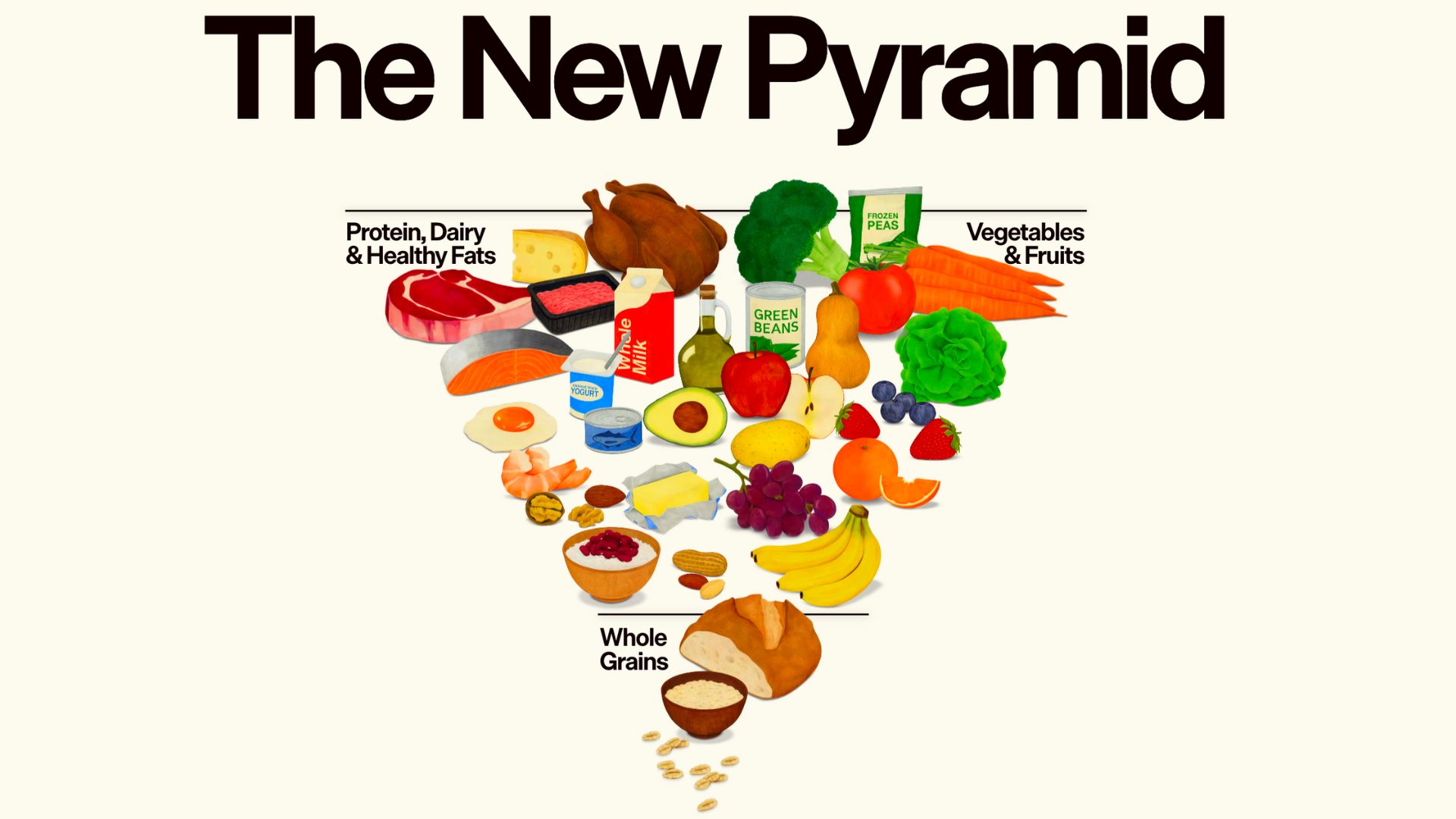
Health Secretary Robert F. Kennedy Jr.’s latest action aimed at making Americans healthier has turned the food pyramid onto its tip. Additionally, experts warn that though the latest MAHA-related guidance has some good advice, it could result in increased heart disease, obesity, and other ailments.
Kennedy and Agriculture Secretary Brooke Rollins unveiled the new dietary guidelines, emphasizing whole, nutrient-dense foods and urging reduction in consumption of the highly processed variety.
“This is how we Make America Healthy Again,” Kennedy said.
Rollins said the realignment would support farmers and ranchers.
“Flipping the food pyramid upside down to encourage more meat and dairy consumption is concerning nutrition advice,” registered dietitian Ashley Kitchens told The Food Institute. “I think it’s great that we’re encouraging the consumption of whole foods; however, these new guidelines are a giant step back from decades of evidence-based nutrition research and science.
“My concern with recommending the prioritization of beef and whole milk is that we’re going to see a greater risk for type 2 diabetes and high cholesterol, and in turn, a rise in heart disease.”
The government noted that 90% of health care dollars are spent on treating chronic disease linked to diet and lifestyle.
Weight-loss expert and author Shirley Billigmeier said, however, she doesn’t believe in a food pyramid for the masses.

“Each person is a unique creative soul, born with over 10,000 taste buds within the gut brain. Some lean more toward protein, some more toward carbs, some more toward fats, etcetera,” Billigmeier said, adding: “Instead of rules of eating, the time needs to be spent in removing the chemicals from real food where possible.”
Kennedy has railed against highly processed foods, blaming them for an array of chronic diseases, including type 2 diabetes and heart disease, as well as obesity. Approximately 38 million Americans suffer from type 2 diabetes, with 127.9 million suffering from heart disease and a third of the population characterized as obese. Over half the population has more than one chronic condition.
The HHS-USDA guidelines call for protein at every meal, full-fat dairy without added sugars, vegetable and fruit consumption throughout the day, healthy fats, whole grains, unsweetened beverages and limited alcohol consumption.
The guidelines also urge limits on highly processed foods, sweets, and artificial additives. The guidelines include advice for vegetarians and vegans, as well as guidance for each stage of life.
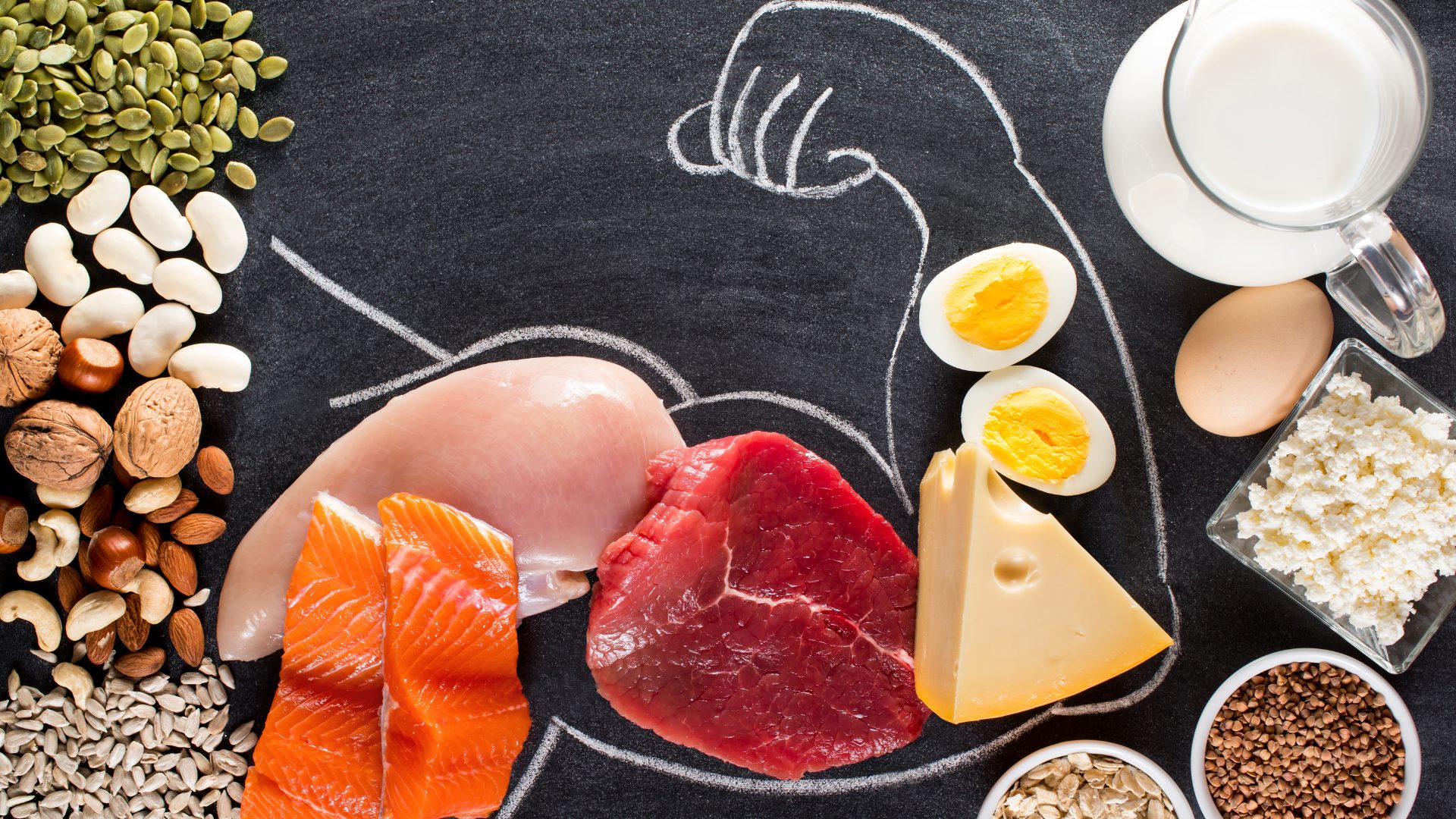
“Protein is very important, and it should be included with every meal to increase satiety,” said registered dietitian Lindsey Schoenfeld, adding that the optimal amount consumed is 0.8 of a gram per one kilogram of weight.
“Someone [who] opts for 1.6 grams per kilogram … may have less room in their diet for other essential foods that provide vitamins, minerals, fiber and more. This will also increase the saturated fat and total fat.”
Food for Thought Leadership
This Episode is Sponsored by: Koelnmesse
Snacking in the U.S. has been on the rise for many years, but is this a global phenomenon? Sabine Schommer, Director, ISM, and Guido Hentschke, Director, ProSweets Cologne and ISM Ingredients, explore European and global snacking trends, and how the trio of ISM, ISM Ingredients, and ProSweets Cologne serve as a meeting place for the global snacking industry.