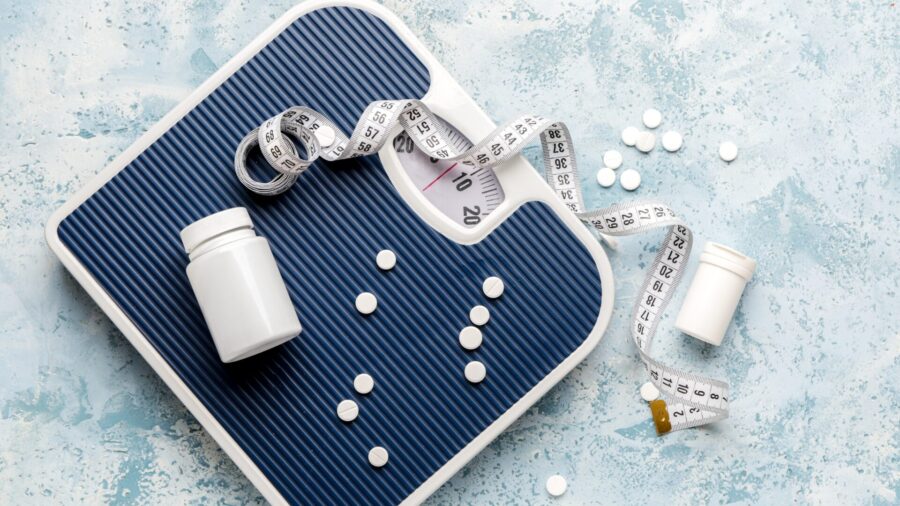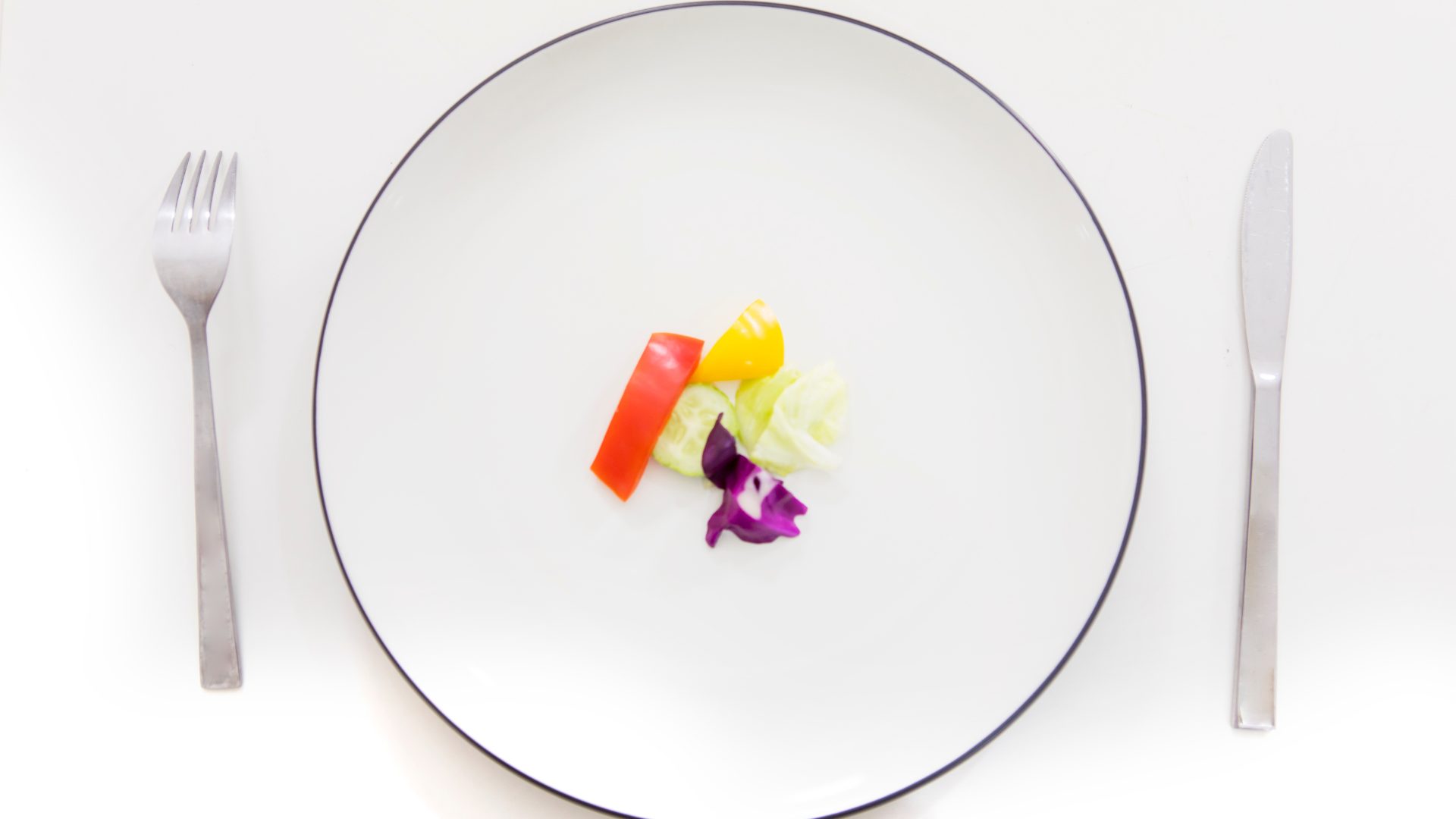
GLP-1 usage is surging. Circana data shows that 23% of all U.S. households are currently using a GLP-1 weight-loss medication like Ozempic or Wegovy – with the latter now available in pill form – and that figure is projected to increase to 35% by 2030.
While next-generation GLP-1 drugs have enabled millions of Americans to lose weight and/or manage their diabetes, new research shows that some users may be losing weight without the nutritional support needed to protect their long-term health, as reported by SciTechDaily.
The study, which was published in Obesity Reviews and led by Dr. Marie Spreckley of the University of Cambridge, revealed that many users are not receiving adequate nutritional advice while taking GLP-1 drugs – leaving many with nutritional deficiencies as a result.
“Obesity management medications work by suppressing appetite, increasing feelings of fullness, and altering eating behaviors, which often leads people to eat significantly less. This can be highly beneficial for individuals living with obesity, as it supports substantial weight loss,” said Dr. Adrian Brown, a corresponding author of the study.
“However, without appropriate nutritional guidance and support from healthcare professionals, there is a real risk that reduced food intake could compromise dietary quality, meaning people may not get enough protein, fiber, vitamins, and minerals essential for maintaining overall health,” Brown added.
To receive a GLP-1 prescription through the U.K. National Health Service (NHS), users are required to meet specific criteria, which includes having:
- A body mass index (BMI) of 35.0 kg/m2 or higher
- A comorbid condition (e.g. type 2 diabetes, cardiovascular disease, etc.)
In addition, GLP-1 medication usage is part of a broader program that also includes guidance on nutrition and physical activity.
However, the majority of GLP-1 users are obtaining the drugs through private providers in both the U.K. and the U.S. And these individuals are often the ones who aren’t receiving consistent nutritional advice and support.
So, what are their primary challenges?

Protein
Research reveals that GLP-1 usage may decrease daily calorie intake by 16-39%. However, not all weight loss is healthy, as up to 40% of the weight lost during treatment could be lean body mass, such as muscle.
“Without enough protein, weight loss can come at the expense of lean muscle, contributing to strength loss, slowed metabolism, and higher injury risk,” said Jennifer Rawlings, a registered dietitian and the owner of My RDN Coach.
Devon Golem, a registered dietitian at The Nuanced Nutritionist, told FI that only 43% of GLP-1 users are getting adequate protein, which means the others are “on an unintentional muscle-loss plan.”
“In practice, I recommend 1.2-1.6 grams of protein per kilogram of ideal body weight per day, distributed across smaller meals,” Rawlings told FI.
Golem recommends what she calls the Early-Bird Protein Strategy:
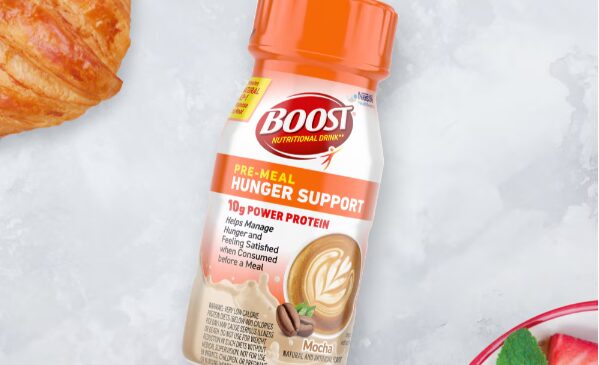
“When your appetite window is narrow, you need to frontload the good stuff. I tell clients, ‘protein at breakfast isn’t optional anymore – it’s your insurance policy against muscle loss.’ Think Greek yogurt with nuts and berries, eggs with beans, or a protein smoothie. Get 30+ grams of protein before your appetite takes a nosedive by lunch.”
Vitamins and Nutrients
Golem also noted that “99% of GLP-1 users are falling short on vitamin D and potassium intake. That’s not a typo – ninety-nine percent. These aren’t just ‘nice-to-have’ nutrients; they’re essential for bone health, muscle function, and to keep your heart rhythm steady.”
To counteract this issue, she recommends the 3C-3T Strategy:
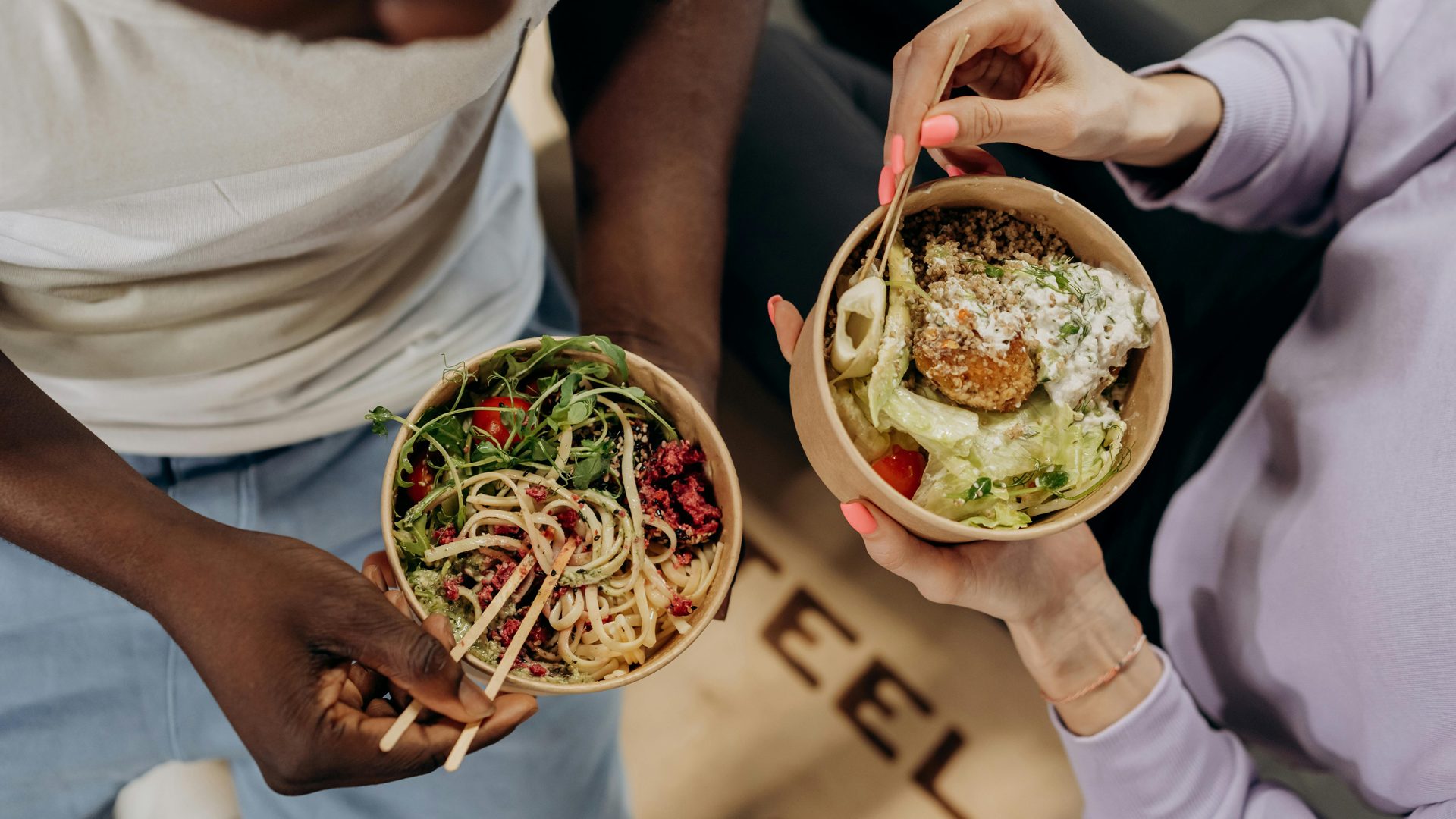
“I use the ‘three colors, three textures’ rule with GLP-1 users. When you’re only eating a small amount, every bite needs to earn its spot on the plate. A beige plate of chicken and rice is a nutrient desert. But add roasted red peppers, dark leafy greens, and some crunchy nuts – now you’re getting vitamins A, C, K, calcium, iron, and healthy fats with a visually appealing twist.”
Fiber
“There is also a fiber famine with GLP-1 users as they average about 14.5 grams daily instead of the recommended 20-25 gram minimum,” Golem told FI.
“Smaller portions demand greater nutrient density, which is why I advise my patients to choose lean protein and fiber-rich foods at every meal and snack,” Rawlings told FI.
To make up the difference, Rawlings recommends the following:
- Greek yogurt with berries and seeds (hemp, chia, or flax)
- Beans with avocado
- Smoothies
“One of my favorite smoothie recipes to optimize protein and fiber includes spinach, berries, banana, frozen cauliflower, flax or chia seeds, cacao powder, and chocolate protein powder blended with water or milk,” Rawlings shared.
Loss of Connection
One lesser-known challenge associated with GLP-1 usage is that, in addition to suppressing the user’s appetite, they can also suppress their enjoyment of life – especially because food is an integral part of many celebrations and traditions, according to Golem.
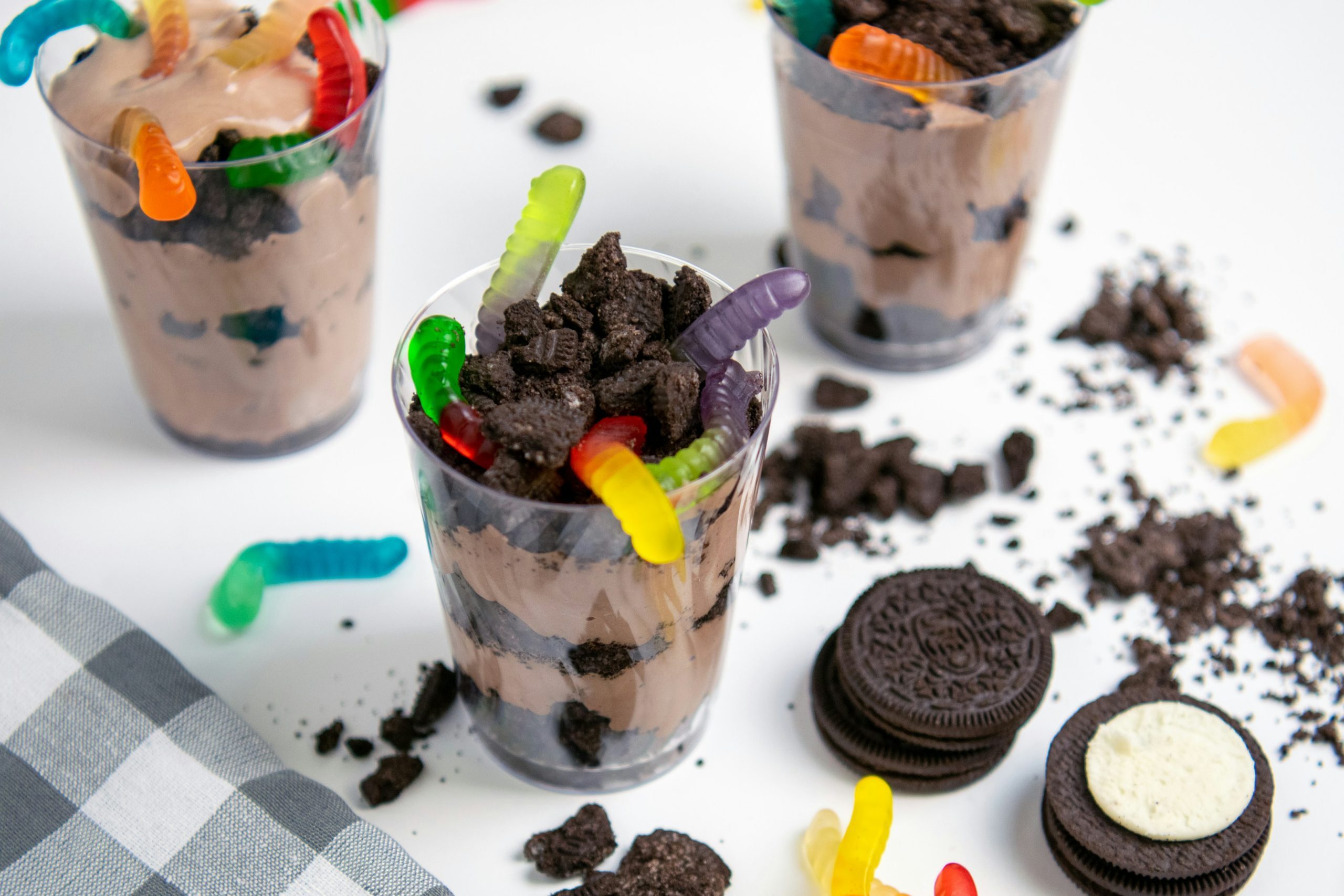
“GLP-1 medications can suppress appetite so effectively that eating becomes a chore instead of a pleasure. Nutrients aren’t the only gaps – when food loses its joy, you lose your connection to cultural traditions, social gatherings, and basic self-care. A registered dietitian can help you find that sweet spot where you’re nourishing your body and still enjoying your niece’s birthday cake – just maybe a smaller slice,” Golem told FI.
That last piece is especially important, as research shows that only 20% of GLP-1 users are referred to a dietitian, despite their massive nutritional gaps.
Food for Thought Leadership
It’s undeniable that restaurants were challenged heavily in 2025, but what does that mean for 2026? Foodservice industry veteran John Inwright discusses the prospects for a new year, what’s working for successful operators, and the headwinds and tailwinds that could define the year.