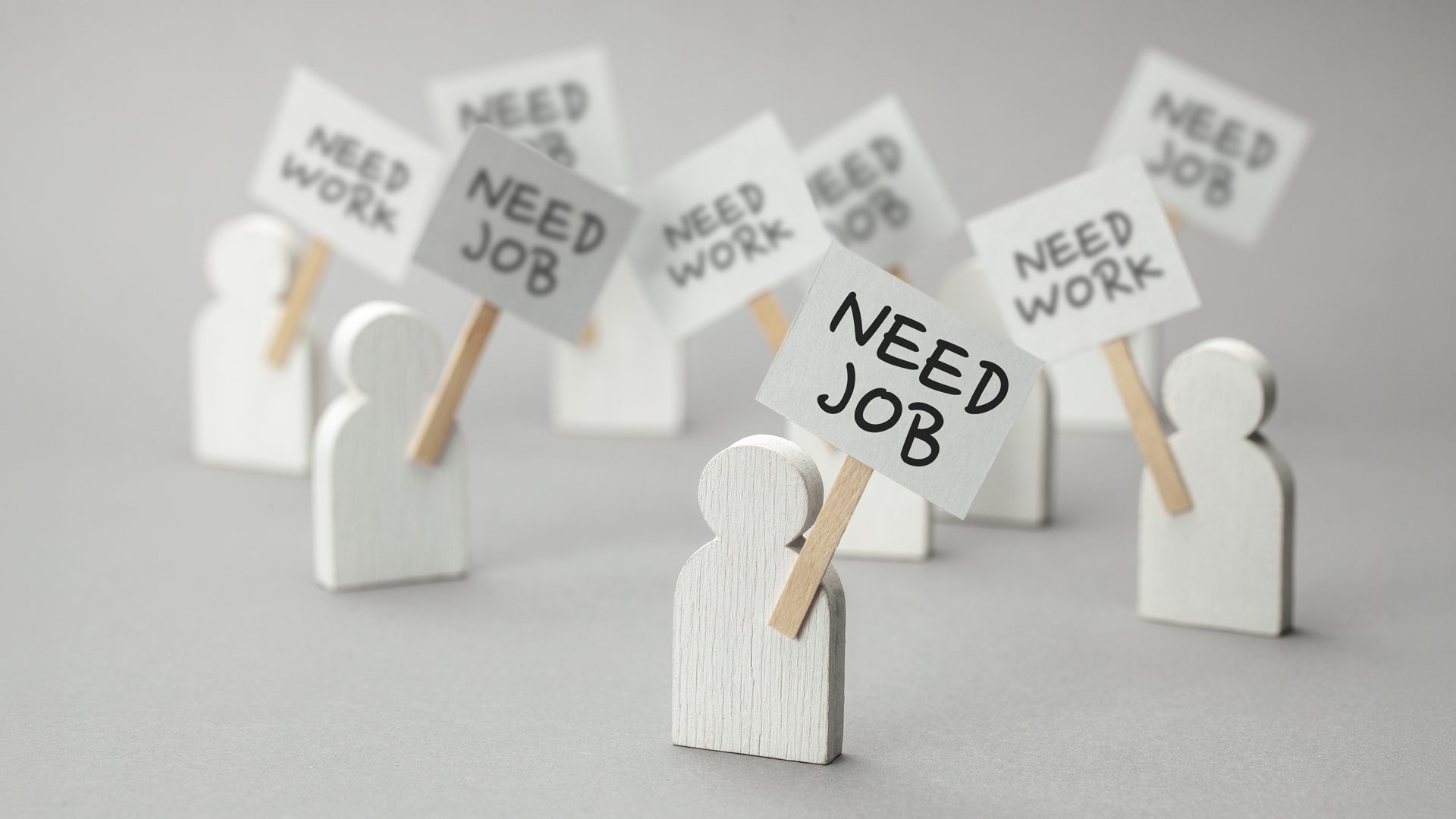
U.S. job growth finally turned around in January, with 181,000 jobs added in 2025 and unemployment falling to 4.3%, according to data from the Bureau of Labor Statistics.
This number, however, is a far cry from the 1.46 million jobs added in 2024.
In the F&B sector, food manufacturing has evaded some of this headache, remaining relatively stable in the past few months when evaluated, even increasing 11.5% year-over-year in 2025. Foodservice and retail employment, similarly, are back up over the same period, compared to 2024.
However, this snapshot tells little of the ever-present “churn” that businesses must contend with.
Valor Coffee co-founder Riley Westbrook positioned the issue as an “engagement crisis” rather than a “labor shortage.”
The labor crisis is a solvable issue, and, with some simple strategies, leaders can improve productivity and quality of life, especially at a time when employees are choosing better working conditions even at the expense of higher salaries.
“Most people are not avoiding work; they are avoiding environments that treat their employees as nothing more than a line item on a spreadsheet,” he said.
Although evidence suggests that the market itself is stabilizing, this “new normal” must weather macroeconomic headwinds. The food and beverage industry in particular faces its own set of challenges.
“The labor market is forcing operators to confront how fragile their current models really are. Rising wages, tighter regulations, and persistent turnover have exposed how much of restaurant labor still runs on manual processes and gut instinct,” said Luke Fryer, CEO at Harri.
These headwinds are also true of other F&B industries, such as CPG and retail. Across the board, lower-wage employees are looking for meaning in their livelihoods, showing that businesses need to provide growth opportunities for these employees.
Fryer previously worked in leadership positions at operators such as Wagamama and Burger King and noticed that this moment has given operators a rare opportunity to invest deeper into their teams.
Recent data from Monster corroborates this inflection point: only 43% of employees are planning to job search this year, down by over half from the respondent pool the year before (93%). Plus, 75% plan to stay in their role through 2027.
There are myriad reasons why employees are choosing to stay in their jobs, and in doing so, businesses can support their long-term goals at every level to increase retention and transform the workforce into a productive, positive environment.
Well-defined strategies that leverage innovations in AI can support this mission. These technologies, for example, can help with scheduling, compliance, forecasting, and even assisted processes, which can help businesses reduce labor volatility. Boring, menial tasks are often cited as among the top reasons why employees choose to leave a job. AI could reduce this friction.
A recent report from Legion found that scheduling is one of the worst areas for managers, sinking as much as 10+ hours a week on these tasks. Concurrently, it’s also spotted as one of the key areas for AI to intervene, according to TD Bank.
To learn more about the state of the labor market, become an FI member to access the latest report on the topic. Recent modifications to membership has made it even more accessible to get high-impact insights about the food and beverage industry.
Food for Thought Leadership
In summer 2025, Nik Modi of RBC Capital Markets warned that consumers were in a “spending recession,” but is that still the case in early 2026? Modi discusses the potential impacts of GLP-1s, price cuts, agentic commerce, and more on the food and beverage sector for the rest of the year.