Fertilizer, already in short supply, could become a sparse commodity as the spring planting season approaches, sparking fears of a global food shortage and higher grocery prices if the Iran war and the closure of the Strait of Hormuz continue much longer.
“Farmers in the coming weeks will start to have to make choices in reference to what crops they need to go ahead and plant. As fertilizer prices increase crop selection is going to become a pivotal aspect,” Babak Hafezi, adjunct professor of international business at American University told The Food Institute.
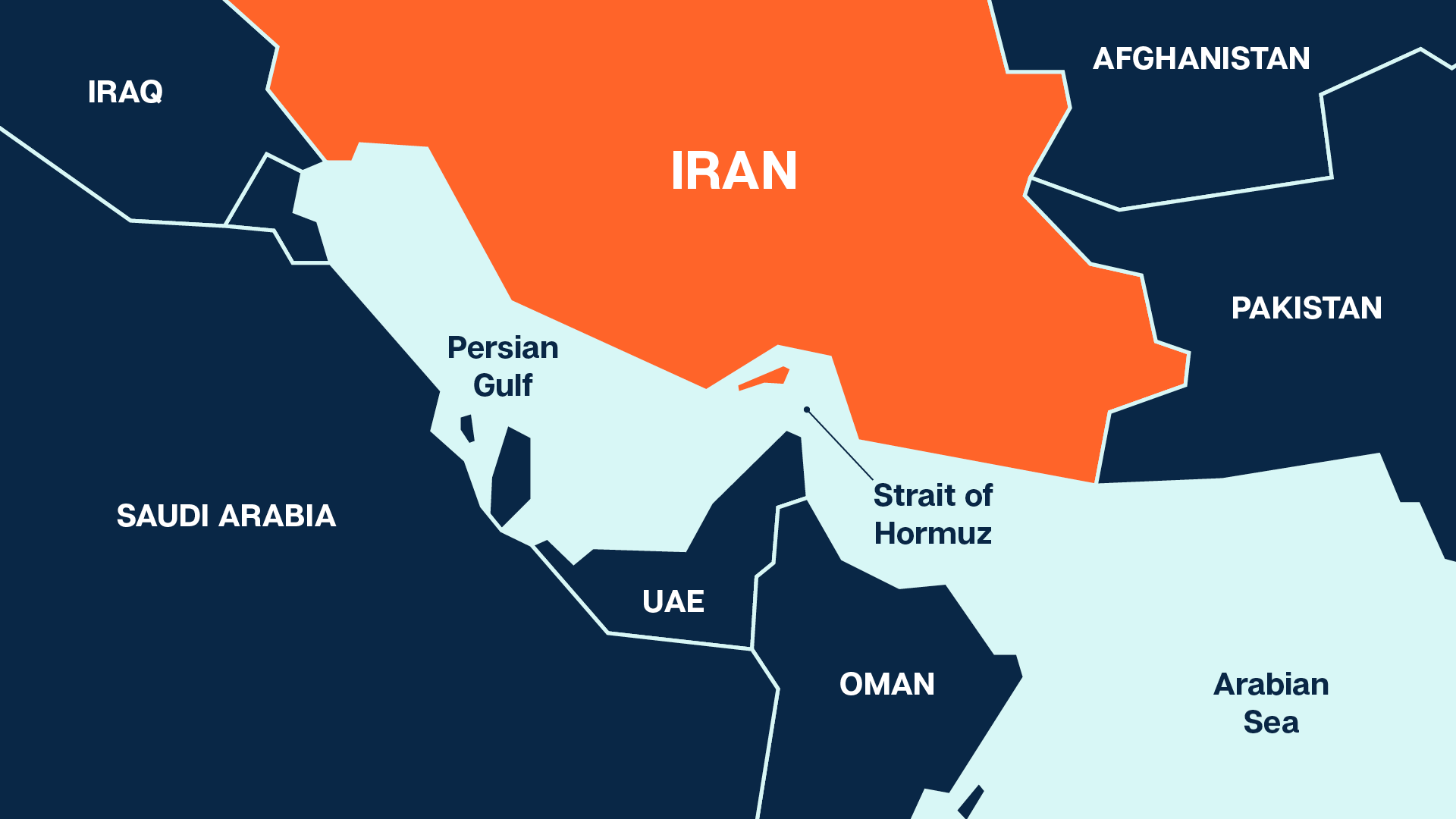
Both phosphorus and nitrate come from areas that ship their products through the strait, which Iran has blocked since the start of the U.S.-Israeli bombing campaign.

Hafezi said the agriculture choices made in coming weeks could result in “shortcomings of key crops” within six months.
“This will be a global crisis – it’s not as easy as just importing foods. In the global south the implications might be even larger as there may be famine in certain parts of the world,” Hafezi said.
About a third of the world’s fertilizer moves through the strait. Reuters reported prices have spiked by more than a third since the conflict began.
U.S. Agriculture Secretary Brooke Rollins said the administration is “looking at every potential avenue to keep the fertilizer costs down,” and that conversations on additional funding for farmers are underway with lawmakers. She told reporters during a White House briefing that an announcement would be made soon.
The Fertilizer Institute pegs U.S. fertilizer supplies as 25% short, Investing.com reported.
American Farm Bureau Federation President Zippy Duvall sent a letter to President Trump recommending steps to limit price shocks to the food supply caused by increasing fertilizer and oil prices, warning of “record-high input prices at a time when farm margins are already extremely tight and many farmers are underwater.”
The U.S. Treasury Department said it would take steps to import fertilizer from Venezuela to ease U.S. shortages. Reuters reported, however, Venezuelan production has declined in recent years.
“Without strategically prioritizing the delivery of critical farm inputs such as urea, ammonia, nitrogen, phosphate, and sulfur-based products, the U.S. risks a shortfall in crops. Not only is this a threat to our food security – and by extension our national security – such a production shock could contribute to inflationary pressures across the U.S. economy,” Duvall warned.
The U.N. Trade and Development Agency, which focuses on integrating developing countries into the global economy, said even a single 30-day closure of the strait could have a devastating impact on the food supply. Some 1.33 million tons of fertilizer pass through the strait every month.
But it gets worse.
The Carnegie Endowment noted fertilizer production in India, Bangladesh and Pakistan has shut down because those countries cannot get natural gas from Qatar, and Egypt, another producer, has had to turn to the more expensive LNG market because its supplies from Israel have been disrupted.
“Because fertilizer has less value than oil and gas, political and business leaders expend fewer resources to make sure it keeps flowing. A ship captain bold enough to brave drone strikes and dash through the Strait of Hormuz would prefer to carry oil than fertilizer, a preference that would be shared by any potential navy escort, which the United States is in any case not yet able to provide,” Carnegie explained.
Group of Seven countries don’t maintain strategic fertilizer reserves to match their oil stockpiles. The pipeline that Saudi Arabia built to enable exports through the Red Sea rather than the Strait of Hormuz is for oil, not ammonia products.
And there are ripple effects, including projected soybean shortages for pig and cow feed in Brazil and China.
Hafezi, the American University professor, noted that will mean the need to find higher priced feed substitutes.
“Adding to all this we’re going to see the prices of diesel and gasoline go up, which is a key input cost throughout the economic system. This will further increase food inflation,” Hafezi said.
The Food Institute Podcast
This Episode is Sponsored by: CBIZ
While many food industry professionals were hoping that the Supreme Court ruling on tariffs would elucidate the current global trade environment, it appears that it may have added more uncertainty than before. CBIZ’s Lou Biscotti and Mark Baran, and former Customs expert Michael Contino, all join The Food Institute Podcast to provide clarity and actionable insights.