In recent years, food delivery has become a fixed expense for weekly food budgets, taking market share from in-store grocery, dining out, and traditional takeout needs. At the same time, consumers have become more “cash-strapped.” This year, these two factors battle it out, and third-party apps are set to win.
Online grocery platforms across first- and third-party services accounted for 19% of total grocery spending in 2025, increasing 430 basis points from the year before, according to Brick Meets Click findings. Simultaneously, recent EY consumer data found that concern about groceries and food at home consumption was the biggest stressor for consumers in 2025, above even housing, transportation, and healthcare.

Together, this demonstrates how much these platforms stand to gain, and how, even during periods of heightened uncertainty, consumers are leveraging these services for convenience.
“The customer does continue to show stress with the heightened fees associated to delivery, but convenience and the pace of life have not slowed. Those two things can be true,” Audi Rowe, EY Americas AI experience, strategy, and transformation consulting leader, told FI.
“A customer wants things efficiently – they continue to lean into platforms to do that, and they feel stressed and strained by the costs that are being passed through.”
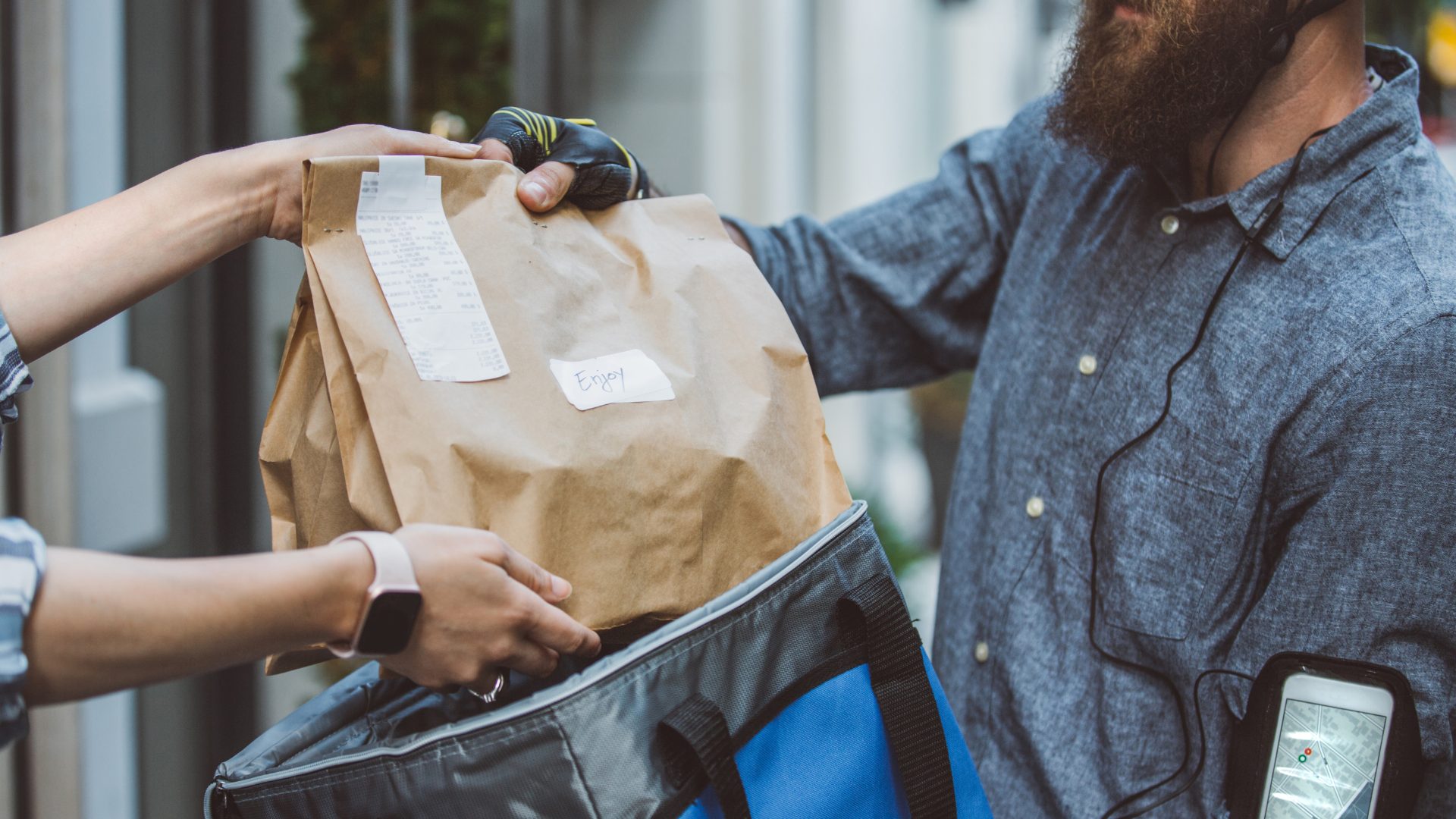
In particular, Rowe is seeing customers pull back on traditional grocery purchases in favor of third-party add-on solutions. One clear example is with non-durable consumable goods: instead of a big grocery run, consumers are increasingly adding a few essentials to online grocery runs or to restaurant takeout orders as they need them.
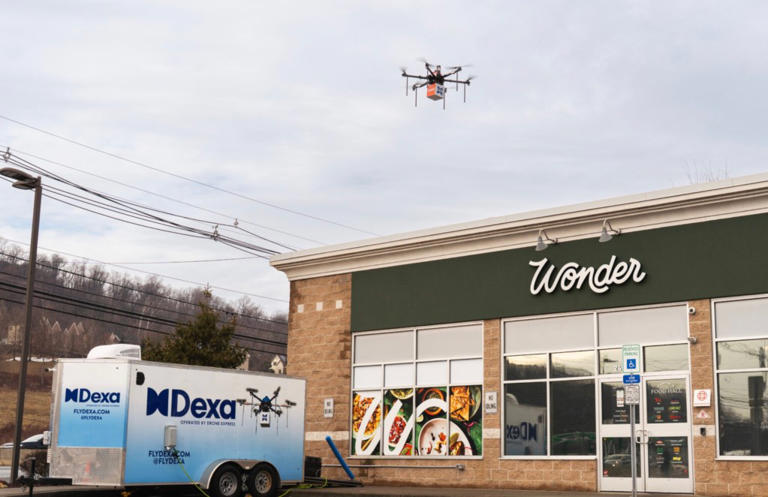
DoorDash, for example began offering “DoubleDash” convenience or retail add-ons to takeout orders in 2021, while Uber debuted multi-store ordering in a single transaction in 2023.
“We’re seeing a shift from big weekly shops to near real-time purchases through delivery platforms,” he said.
New Tech, The Next Frontier
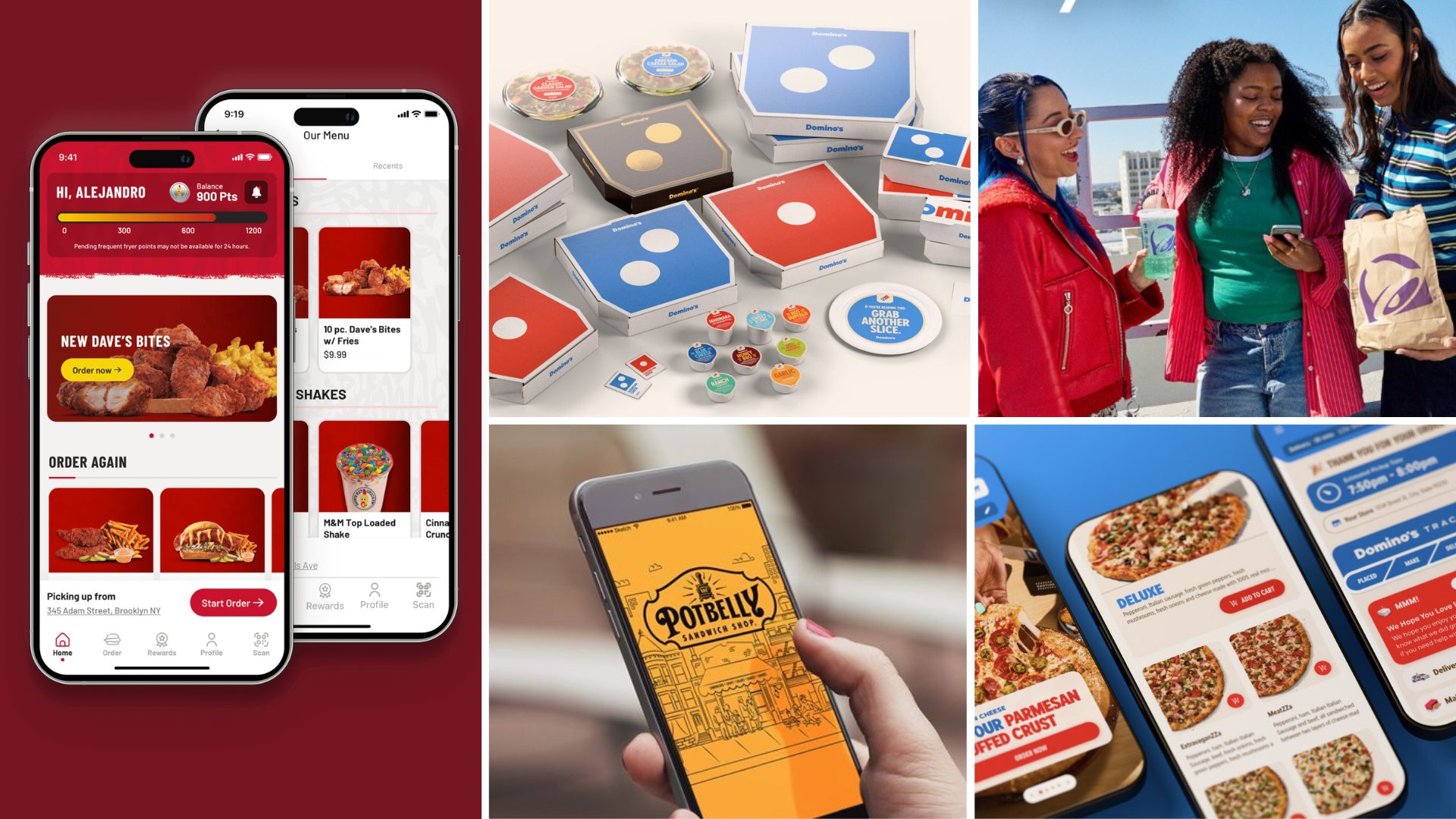
To continue to support their consumer bases, third-party apps, such as Grubhub, Uber Eats, DoorDash, and Instacart, are dialing in on their value proposition, for both grocery and foodservice orders.
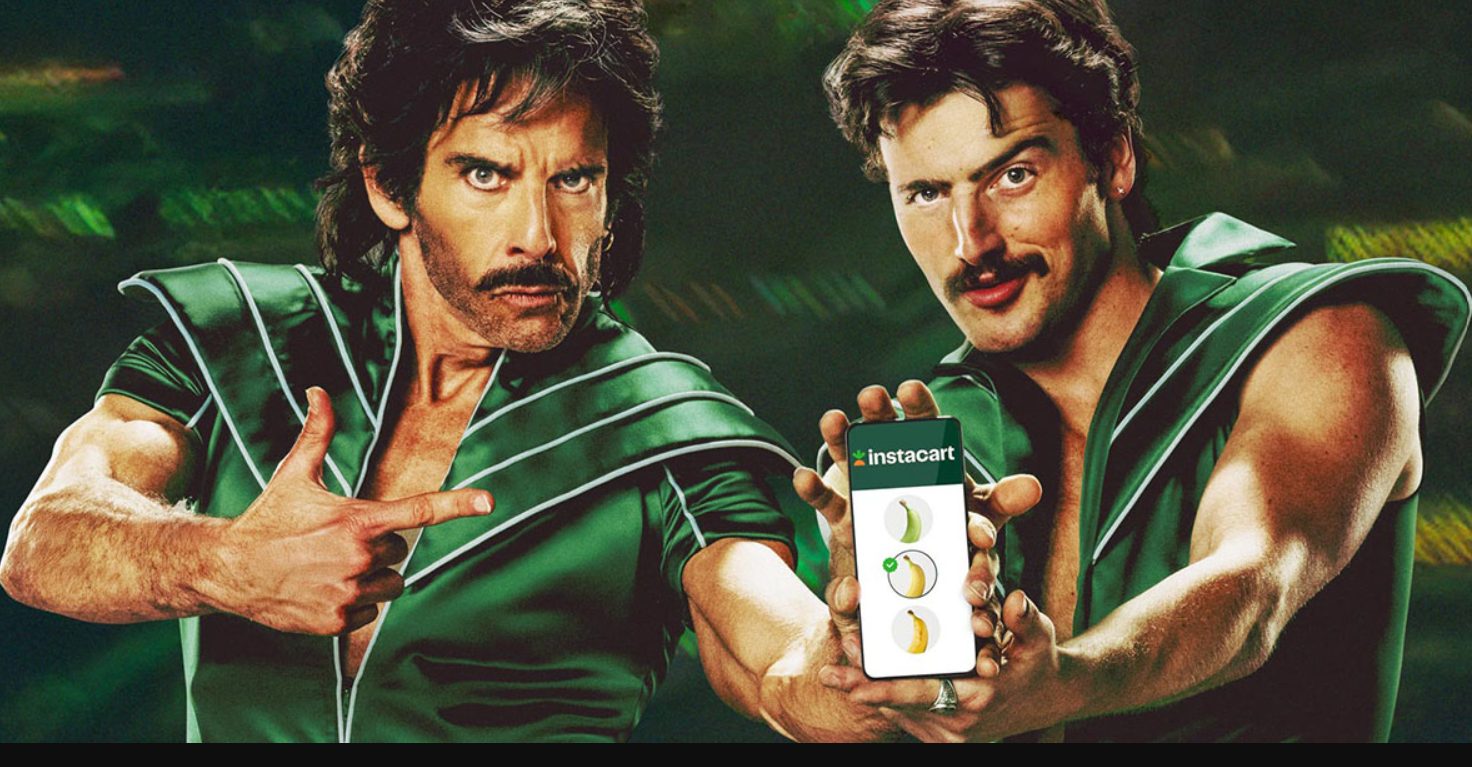
As a result, these platforms are investing in novel technologies. Uber Eats, for example, recently added capabilities to upload an image of a grocery list to automatically add items to a digital cart, prioritizing previously purchased items.
Integration also continues to be a growing trend among these services: in early February, Grubhub partnered with Olo, and Instacart partnered with Toast to simplify business operations.
Both integrations supported a streamlined data management initiative to make them easier service choices for merchants.
With tech-enabled efficiency comes increased productivity, and hopefully, a better end-user experience. For now, it seems major services are working to pass on some of these rewards to consumers, either to evangelize online grocery skeptics, or bring in those who feel it’s too expensive to test.
To this end, Grubhub removed service and delivery fees on orders over $50 in January, supporting high average order value purchases while bringing down consumer costs. In a similar vein, various apps have also worked to accept qualifying SNAP EBT purchases for program participants, as well as fine-tune their subscription programs, with reoccurring offers to keep customers in their ecosystem.
Rowe anticipates that this year will be transformational for businesses endeavoring to integrate AI components into their business practices. Using the analogy of how the smartphone required innovations to make it work for the average consumer (i.e. battery life, better connectivity, etc.), AI tools are supporting the technology’s development and a cognitive shift in how these products are leveraged will lead to explosive growth.
“We will see businesses and consumers go on a journey this year to discover what generative and agentic AI enable when you reimagine how work is done,” Rowe said.
Food for Thought Leadership
In this episode, The Food Institute‘s Chris Campbell sits down with Hunter Thurman, Founder of Alpha-Diver, to break down how the market has shifted from a simple private label vs. national brand debate into a three-lane landscape: value brands, owned brands, and national brands.