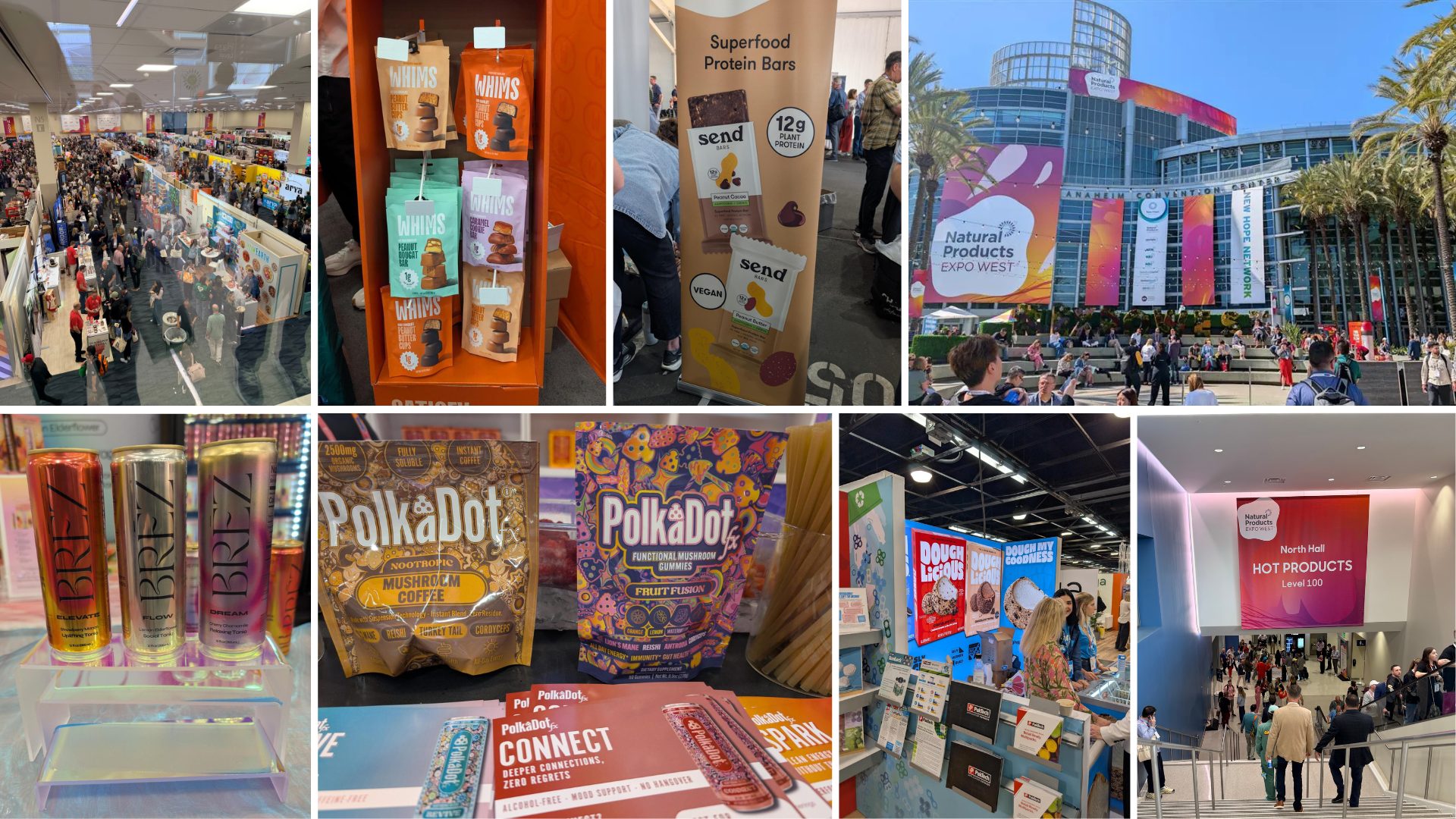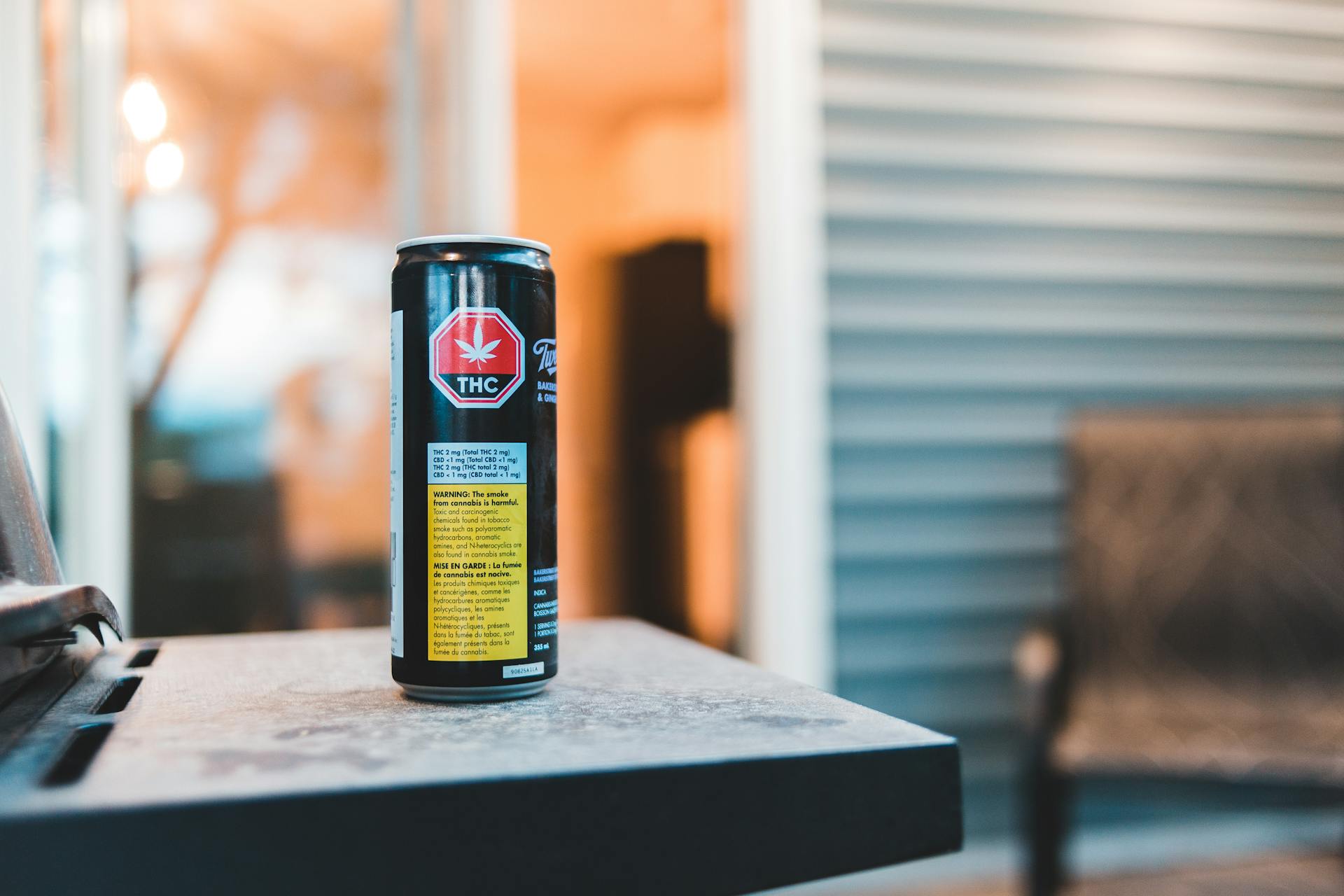
The THC, hemp, and cannabis landscape has changed dramatically over the last few months, leaving many confused – and others feeling quite “canna curious.”
As America’s alcohol consumption dwindles – particularly among younger demographics – new terms like “California sober” (AKA “Cali sober”) and “canna curious” have gained momentum.
While “Cali sobriety” typically refers to the practice of abstaining from alcohol and most drugs with a few exceptions – most commonly, cannabis – Thomas Winstanley, EVP of Edibles.com, characterizes the “canna curious” camp a little differently.
“These consumers aren’t legacy cannabis users – they’re first-timers or light users who became interested because hemp-derived THC products were accessible, regulated, and culturally normalized,” Winstanley told The Food Institute.
“In many ways, they represent a generation raised during the ‘Just Say No’ era who are now, for the first time, saying ‘yes’ – not recklessly, but cautiously and thoughtfully. They’re drawn by legality, transparency, and the promise of a controlled, adult-use experience.”
Though the majority of 2026 Dry January participants said they’d replace booze with non-carbonated beverages like juice or tea (28%) in a poll by CivicScience, followed by soda (23%), CBD/THC beverages tied with non-alcoholic beer and mocktails/NA spirits for third place, each earning 17% of the vote and beating out other categories like NA seltzers and kombucha.
But despite the increased interest in such products and the explosive growth of the market, the sector’s future remains murky.

Legal Issues Abound
Congress passed a government funding bill in mid-November containing a provision that would ban nearly all hemp-derived consumer products, taking effect in November 2026.
“The new definition of hemp limits total THC to 0.4 milligrams per product container and prohibits intoxicating substances resulting from chemically converting hemp cannabinoids, which would result in many hemp-derived products that are now legal becoming controlled substances,” said Seth Goldberg, co-chair of the Cannabis & Hemp Law practice at Pashman Stein Walder Hayden P.C.
However, many brands, retailers, consumers, and legislators have begun fighting to keep intoxicating hemp products legal until at least November 2028 to give farmers and companies time to prepare, as industry experts say the law could place more than 300,000 jobs at risk.
U.S. Senators Amy Klobuchar, D-Minn., Rand Paul, R-Ky., and Jeff Merkley, D-Ore., introduced new legislation on January 15, AKA the “Hemp Planting Predictability Act,” which aims to delay the federal ban by two years, as reported by Cannabis Business Times.
Impact on Brands
If the legislation proposed in mid-January doesn’t pass, brands would be required to reformulate their THC and CBD beverages to align with the federal law and possibly lean into other functional benefits these beverages provide, such as the adaptogenic mushrooms included in Upstate Elevator’s THC-infused Ruby Red Ranch Water.
Another brand, Extract Labs, just launched a line of THC seltzers despite the closure of the 2018 Farm Bill loophole in November.
When asked why the brand proceeded with the launch despite the federal ban, CEO Craig Henderson told FI, “We launched because we believe the industry and regulators have time to come together on a more common-sense framework. Rather than an outright ban, we expect future regulations to focus on eliminating bad actors and unsafe products while preserving access to responsibly dosed options that many customers, including our large veteran community, rely on. Our goal was to build something thoughtful and measured, not high-potency, and aligned with how real people actually consume these products.”
Impact on Retailers
The resolution to reopen the government in November also included a provision to prevent intoxicating hemp products from “being sold online, in gas stations, and corner stores,” prompting industry groups like the National Association of Convenience Stores (NACS) to speak out, as “convenience retailers have a lot at stake if the ban comes to fruition,” according to NACS.
“We need regulatory certainty for hemp and CBD products to be sold across the country legally,” said Jon Taets, NACS director of government relations, in a statement.
“The convenience industry is ideally suited to carry hemp and THC products that customers want – the industry’s track record for responsible retailing of age-gated products is unmatched. Federal and state regulation should recognize this fact and allow convenience retailers to participate in this market and partner with regulators to ensure a safe, enjoyable experience for customers,” Taets added.
Are hemp and THC products actually safe to consume, though? That depends on who you ask.
Health Risks
While many believe cannabis and hemp-derived THC products are less dangerous to consume than alcohol, others have concerns – especially for individuals recovering from substance use disorders.
“Anything that alters mood or perception can reignite the same pathways and behaviors they’ve worked hard to move beyond,” said Justin Gurland, a licensed social worker and founder of The Maze, an alcohol-free members club in NYC.
“Even for the general public, calling intoxication ‘wellness’ sends a confusing message. It reinforces the idea that we need to be chemically altered to relax or connect. When in reality, wellness should mean clarity, balance, and intention,” Gurland told FI.
Gurland also noted parallels between the early growth of THC beverages and the way alcohol or vaping products were first introduced and adopted by younger audiences.
“Every time a new intoxicant enters the market, it’s introduced with the same playbook: sleek branding, a wellness veneer, and an appeal to youth culture. THC beverages are following that pattern almost exactly – they’re being positioned as clean, modern, and ‘better for you,’ which is the same narrative we saw with flavored vapes and so-called ‘healthier’ alcohol options.”
Food for Thought Leadership
It’s undeniable that restaurants were challenged heavily in 2025, but what does that mean for 2026? Foodservice industry veteran John Inwright discusses the prospects for a new year, what’s working for successful operators, and the headwinds and tailwinds that could define the year.