Heineken’s recent decision to slash its workforce by 7% is part of a broader trend in the beverage manufacturing industry. Similar rounds of layoffs appear possible elsewhere in the sector in 2026, said Lacey Kaelani, CEO of job search engine Metaintro.
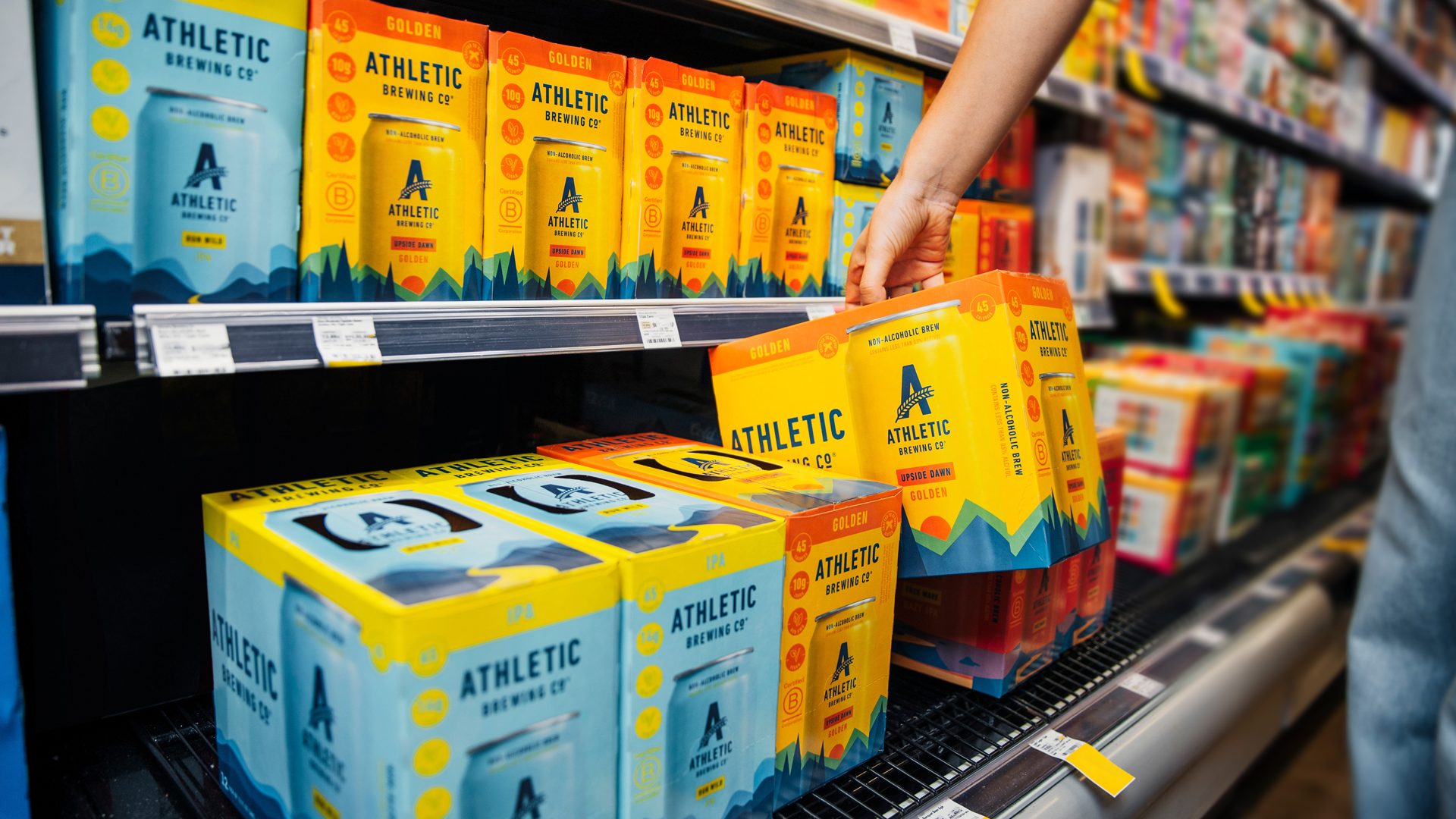
“As businesses replace jobs in manufacturing, distribution and general office functions with automation, the job loss will continue as beverage manufacturers try to combat shrinking margins by investing heavily in new product segments such as non-alcoholic and wellness drinks – which require employees with completely different job skills,” Kaelani told The Food Institute.
Heineken, the world’s second-largest brewer, holds 12.2% to 12.6% of the global beer market, trailing only Anheuser-Busch InBev, which holds 25%. In the U.S., Heineken’s market share is just 4%.
Beer consumption has fallen since the pandemic, prompting brewers to turn to alternative products. An August Gallup poll indicated just 54% of Americans said they consume alcohol, the lowest percentage in the poll’s 90-year history, and those who are drinking said they drink less.
For 2025, Heineken reported a volume drop of 1.2%, despite a 1.6% increase in net revenue. In its year-end report, the company said it would cut as many as 6,000 jobs in the next two years, mostly in Europe.
“Currently, the job market for people working in product development, digital/online marketing and supply chain is showing a lot of growth, whereas the number of people hired for positions in traditional brewing, sales or office support functions continues to decrease,” Kaelani said.
Bryant Vander Weerd of Full Pour Media told FI he doesn’t think the Heineken layoffs are that significant.
“Heineken’s announcement is not the first wave and likely won’t be the last,” the industry expert said.
“In the U.S. craft world, more breweries closed than opened in 2025, which marks the second straight year this has happened,” Vander Weerd noted. “We’re seeing this hit the ‘big guys’ too. Molson Coors announced a reduction, Pabst endured multiple rounds of layoffs, and AB InBev is closing three of its U.S. facilities.”
“We’re already seeing brands attempt to stem the bleeding. Product diversification into no-alcohol, low-alcohol and seltzers appeals to a broader crowd.
“There’s also a renewed focus on fewer, stronger brands versus ‘SKU sprawl,’ along with smarter distribution partnerships,” Vander Weerd added, saying it’s possible the industry will stabilize at lower volume but higher margin.
Heineken CEO Dolf van den Brink told Bloomberg TV in developed markets, “bigger and bolder innovation is needed.”
Food for Thought Leadership
In summer 2025, Nik Modi of RBC Capital Markets warned that consumers were in a “spending recession,” but is that still the case in early 2026? Modi discusses the potential impacts of GLP-1s, price cuts, agentic commerce, and more on the food and beverage sector for the rest of the year.