Since they’ve come on the scene, GLP-1 weight-loss drugs have shaken the food and beverage industry to its core, warning that tomorrow’s eaters will consume fewer calories and seek out nutrient-dense foods.
CPGs and restaurants have since reformulated and innovated to meet these shoppers’ needs. But have we taken it too far?
Circana SVP and food industry advisor David Portalatin took an iconoclastic stance on the drug during The Food Institute’s recent Foodservice Summit.
“As a dieting cohort, [GLP-1 drug users] are slightly larger than keto, slightly smaller than intermittent fasting,” said Portalatin.
New patient GP-1 prescriptions are up 16% year-over-year, accounting for 2.9 million prescriptions in September 2025, and up 5% in the September to December period. Circana found that this equates to meaning that roughly 23% of households will have at least one person try a GLP-1 drug during the year.
Despite these impressive values, Circana contends that the active 30-day user base fluctuates closer to 5%-6%.
Although Portalatin agrees that GLP-1s are growing, he advises stakeholders not to overcorrect, as it could jeopardize a brand’s voice or differentiator.
Recent polling data supports Circana’s findings: 14% of GLP-1 drug users report stopping medication because of the cost, and 13% because of the side effects. Additionally, 77% of the public not currently on a GLP-1 say they’re not interested in trying them, indicating the Americans may be closer to their GLP-1 drug saturation point than projections anticipate.

Fewer Calories? No Problem!
This is not to discount the profound impact GLP-1 drugs have had on the industry. But data suggests these users are not the blight on bottom lines that alarmists may suggest.
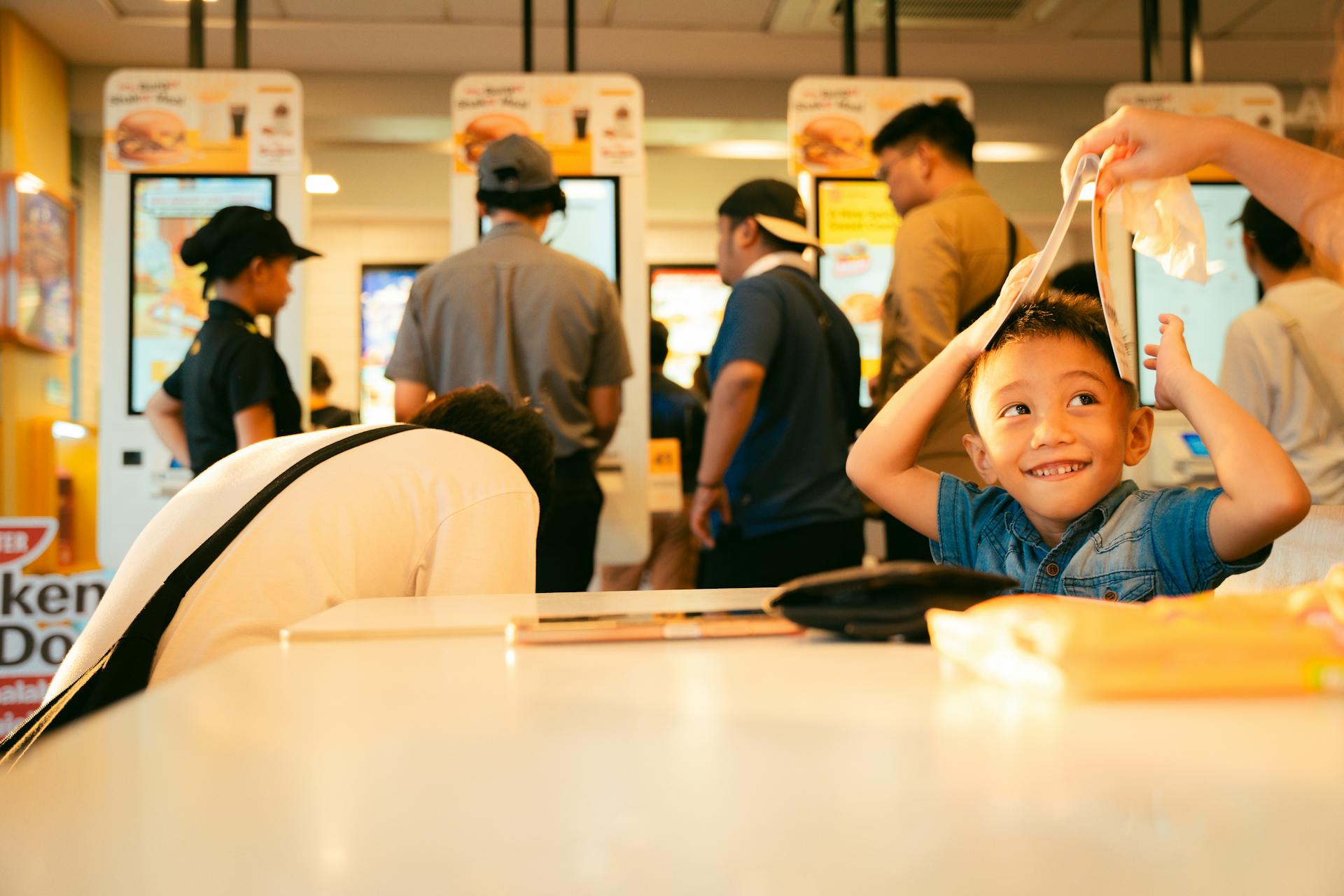
Yes, GLP-1s reduce their purchase volumes of retail food and beverages; however, they also outspend non-users, with growth concentrated in foodservice, up by 0.9 basis points year-over-year compared to a pre-GLP-1 baseline.
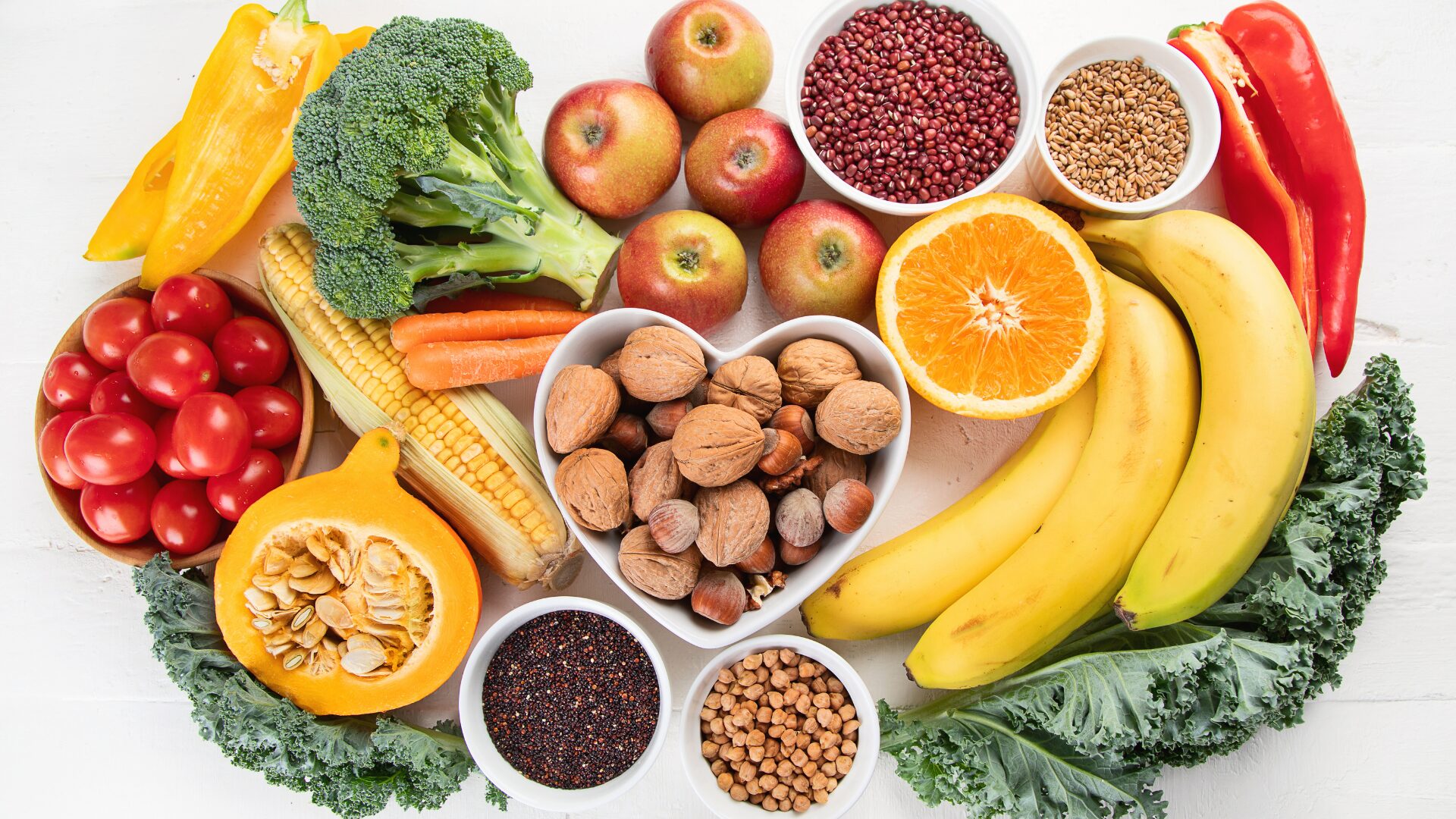
Yes, they’re also looking for nutrient-dense foods, but this phenomenon is larger than these drug-taking cohorts. For years, there has been a gradual shift toward eating to support healthy lifestyles. Poor diets account for roughly 1 in 5 deaths, a fact that has shaken the core of public consciousness.
In fact, although GLP-1 users report an average caloric reduction of 21% compared to personal baselines, Americans overall are simply eating less. In 2025, per-capita calories consumed dropped 1% year over year for the first time, after a period of relatively stable growth.
“There are a lot of trends baked into this shift: calorie consumption is moving to nutrient-dense categories [e.g., meats and fiber-rich vegetables], sometimes lowering overall intake compared to carbs, and we’re part of an aging population,” said Portalatin, adding that the Baby Boomer generation lags the average population’s calories consumed by 3 basis points.
Nevertheless, the widening usage of GLP-1s also factor into this drop, and, with pill forms of the medication hitting the market, it may still grow.
So, how can innovators move forward? One of the easiest shifts Portalatin advises is to adjust pack and portion sizes. Give consumers opportunities to have flexibility on portion sizes, he said.
Roughly 35% of consumers say they’re eating smaller portion sizes this year, and it’s not all about weight-loss: 56% cite price as a key motivator for this shift.
The solution is simple. CPGs can consider right-fit smaller packages at attractive prices and positive marketing messages, and restaurant operators can offer options for smaller sizes and make sharing a main or treating multiple sides as a main dish easier on diners.
The Food Institute would like to thank the sponsors of its inaugural Foodservice Summit, including title sponsor MenuData, silver sponsor iTradeNetwork, and bronze sponsor Performance Foodservice.
The Food Institute Podcast
How does a trip to Brazil, a stint in the music industry, and an apprenticeship at a pizzeria all come together to form a new style of condiment that would take the world by storm? Mike Kurtz, founder of Mike’s Hot Honey, shares the story of his company’s founding, how the swicy trend is propelling his business, and how CPG partnerships continue to inspire the brand’s fans.