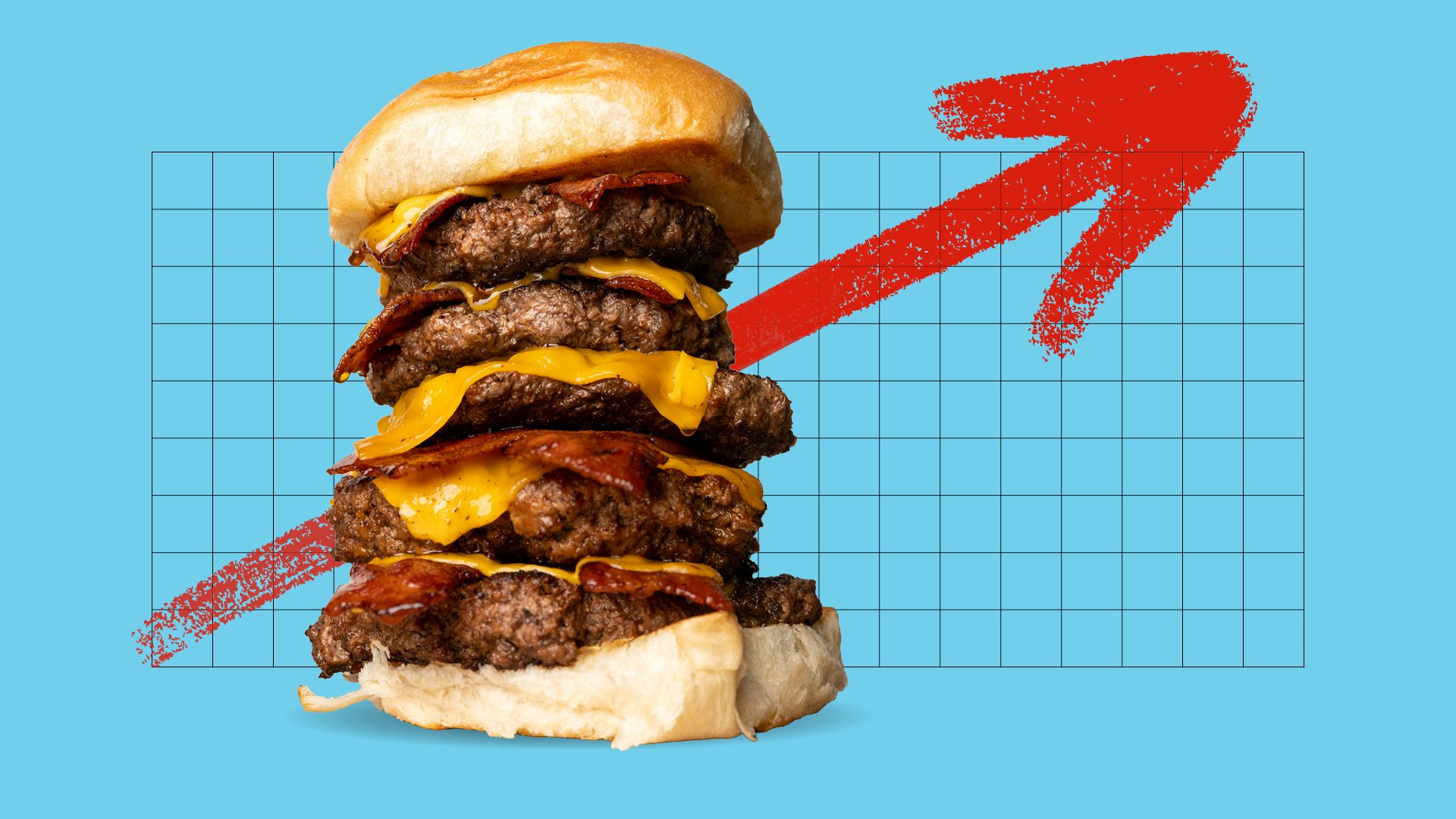
Though the U.S. is not experiencing any oil or gasoline shortages, because of the global nature of the market, President Trump’s decision to bomb Iran and the subsequent closure of the Strait of Hormuz have sent prices surging. At least one small business owner likened it to “tariffs 2.0.”
Amazon is imposing a 3.5% fuel charge, effective April 17, and major carriers, including UPS, FedEx and the post office, have all announced surcharges ranging from 8% to 26.5% with international surcharges even higher.
“A majority of the food vendors have net margins between 1 and 4 percent. A logistics fee of 3.5 percent can be more than the profit made on a particular shipment before one unit is sold,” fuel logistics expert Eliot Vancil told The Food Institute.
“Sellers do not take that lying down. The price is incorporated in adjusted wholesale pricing, downsizing of packs or simply eliminating products with lower margins.”
“[Adjusted pricing] will appear to consumers in the next three to six months, primarily in the form of shrinkflation.”
Steven Mazur told The Wall Street Journal he has tried to absorb about $500,000 in tariffs without hiking prices drastically for his Ash & Erie men’s clothing brand, but he lamented that fuel costs may leave him with no choice.
“These fuel surcharges really feel like tariffs 2.0,” Mazur said. “It feels like one of those things that, again, you can’t plan for but is very important and makes a big impact on the business and the bottom line.”
Rising Diesel Prices Threaten Margins
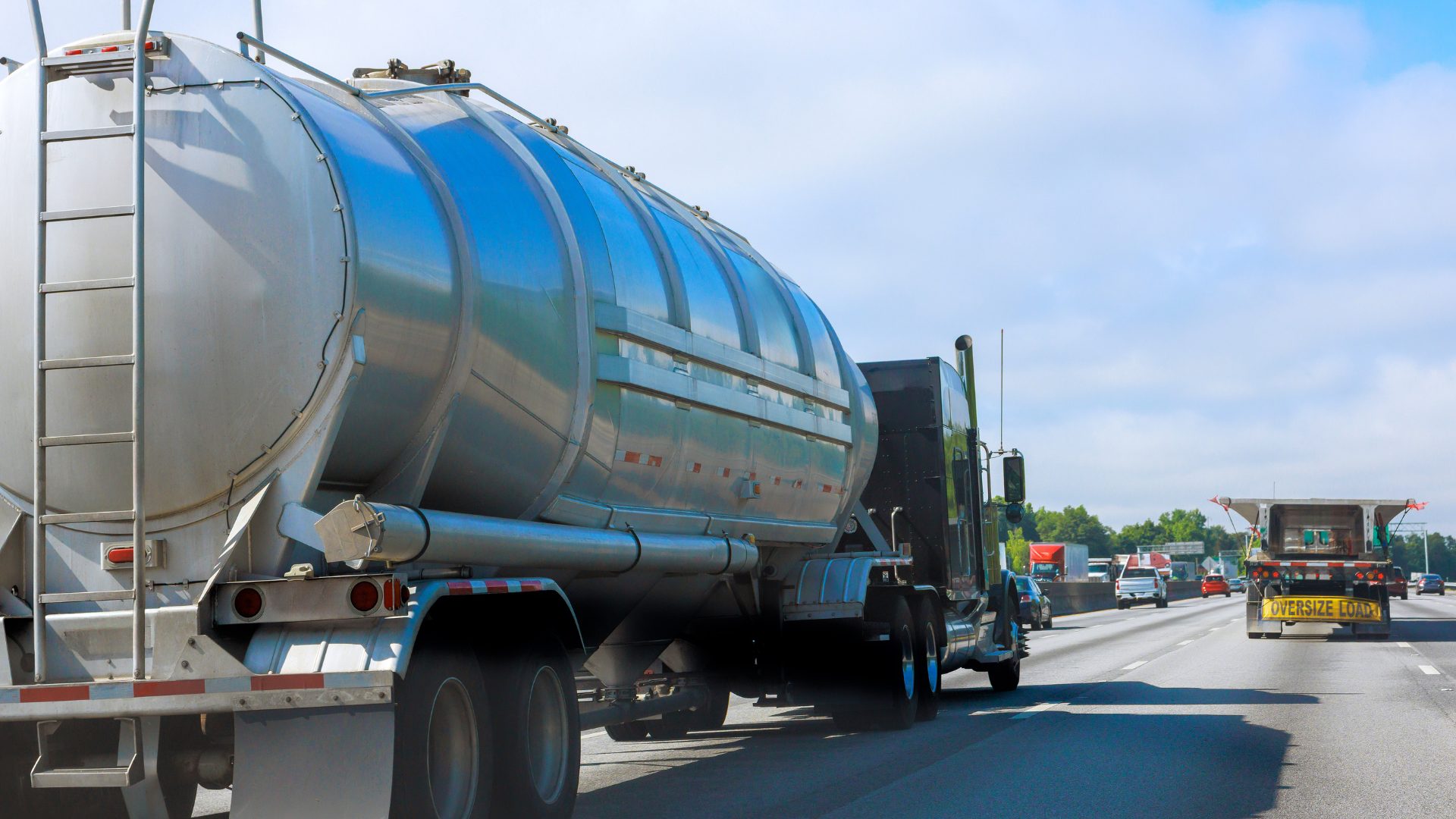
The USDA noted 83% of U.S. agricultural products and 92% of dairy products are transported by truck.
Diesel prices are up 40% since the beginning of March and 50% compared with last year, averaging $5.401 as of March 30, the U.S. Energy Information Agency reported. The American Trucking Association noted diesel prices rose $1.47 over a three-week period in March. Crude oil was trading above $114 a barrel Monday (April 6) compared to $80 on March 1.
Economists predict grocery prices will rise 2% in the next few weeks. An increase in oil prices to $175 could drive prices up 10%, marketing Professor Tim Smith of DePaul University told FI. To put it in perspective, The New York Times reported the wholesale price of salmon already is up 23 cents per pound, a 3.6% increase.
“When fuel costs rise, they ripple through the entire system,” the Independent Grocers Alliance said on its website, adding it expects price increases to start showing up on store shelves by midsummer.
“Amazon’s choice to include a 3.5% surcharge is aggressive but not unthinkable,” Smith said, adding price increases, reduced promotions and coupons, and “budget” offerings also may be in the offing.
Gas Price Shock Adds Strain for Restaurants
Vancil noted the food industry feels the pinch long before other sectors.
“A carrier surcharge schedule gets modified in a few days when diesel prices rise above $4 per gallon in the country, and food distributors experience it long before nearly anyone else in the chain of supply,” Vancil said.
Marina Hanlon, CEO of Suburban Supply Inc., predicted restaurant prices also are going to soar in the next six months – and not just because of increases in the price of ingredients.
“Our company services the commercial dish machines in hospitality establishments across New England, along with delivering their sanitation products,” Hanlon said. “So, our delivery vans are moving all week, and our service vans are moving nearly 24/7.
“We have already seen the effects of the gas prices rising. We’re trying to cut costs anywhere else to accommodate this before having to push that cost on the customer. As it is, with inflation, many restaurants are struggling to get their customers on board with the higher pricing.
“These gas prices are only going to make it worse.”
The Food Institute Podcast
This Episode is Sponsored by: City National Bank
John Linehan, president of Irresistible Foods Group, explains how organizational charts are being supplanted in the Capability Era and how a new vision of leadership is growing within the food and beverage industry in this episode guest hosted by City National Bank’s Shahe Kassardjian.