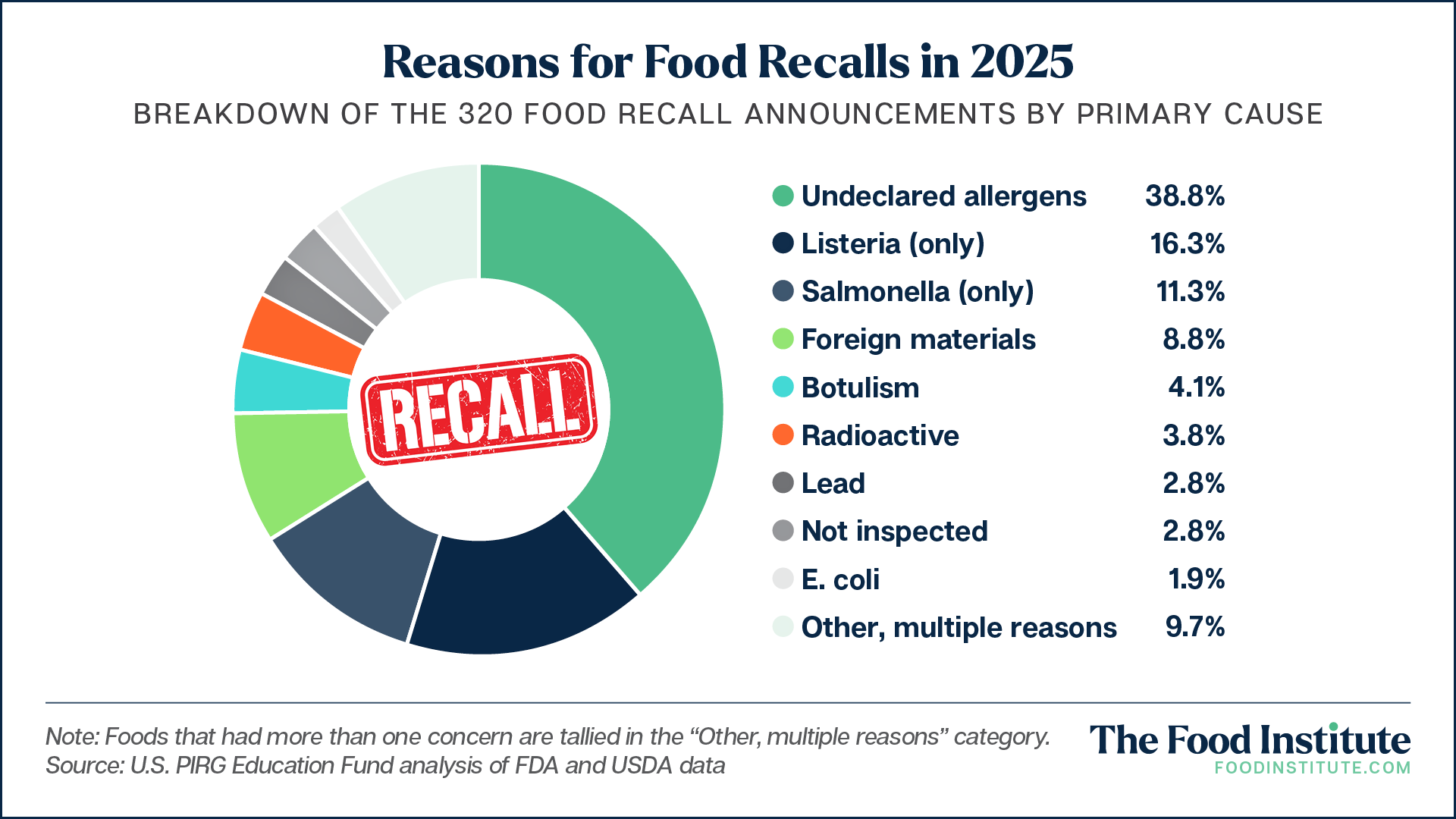
Foodborne illness is nothing new, but the way the U.S. Department of Health and Human Services and the companies involved are approaching recalls may be changing. A recent report by the U.S. PIRG indicated fewer recalls are being announced.
In 2025, for example, just 17 recalls for Listeria were announced despite 28 outbreaks. And the Washington Post reported a company involved in a raw cheese E.coli outbreak is pushing back, calling evidence of an outbreak merely “allegations” and balking at a voluntary recall.
“It sometimes takes years from the first illness before regulators identify a product to recall in an effort to prevent others from getting sick,” the PIRG (Public Interest Research Group) said.
“The November recall of infant formula connected to a botulism outbreak took nearly two years; the February recall of frozen supplemental shakes connected to a Listeria outbreak took more than six years,” the group added.
Medical care, lost productivity and premature deaths from foodborne illnesses cost Americans $75 billion annually, the USDA has reported.
The PIRG said more than 16% of Americans likely are affected by foodborne illness annually.
“When we have thousands of people getting sick every year from contaminated food, we should think hard about what else can be done,” the PIRG said in its report, Food for Thought 2026.
“We need to stop contaminated food from being sold, identify issues more quickly when something does slip through and warn consumers when contaminated food makes it to store shelves.”
AI Gains Momentum as Industry Seeks Fast Detection
Overall, 320 recalls were announced in 2025, 48% related to allergens or foreign objects, and 31 related to ingredients that previously had been recalled. And that was before the Food and Drug Administration’s Traceability rule was delayed until July 2028.
Officially, last year’s outbreaks sickened 1,003 people. Those are the cases where people sought medical care and their illnesses were connected. However, the Centers for Disease Control and Prevention estimates that for every Salmonella case detected, there are 29 more.
“By embedding compliance earlier in the product lifecycle and leveraging AI to flag inconsistencies in real time, brands can catch risks before products reach shelves. Ultimately, it’s about shifting from reactive checks to designing risk out of the system entirely,” Paul Bradley, senior director of product marketing at TraceGains, told The Food Institute.
“Preventing future recalls requires moving beyond ingredient traceability to fixing the gaps between systems, teams and workflows – where most errors actually occur.”
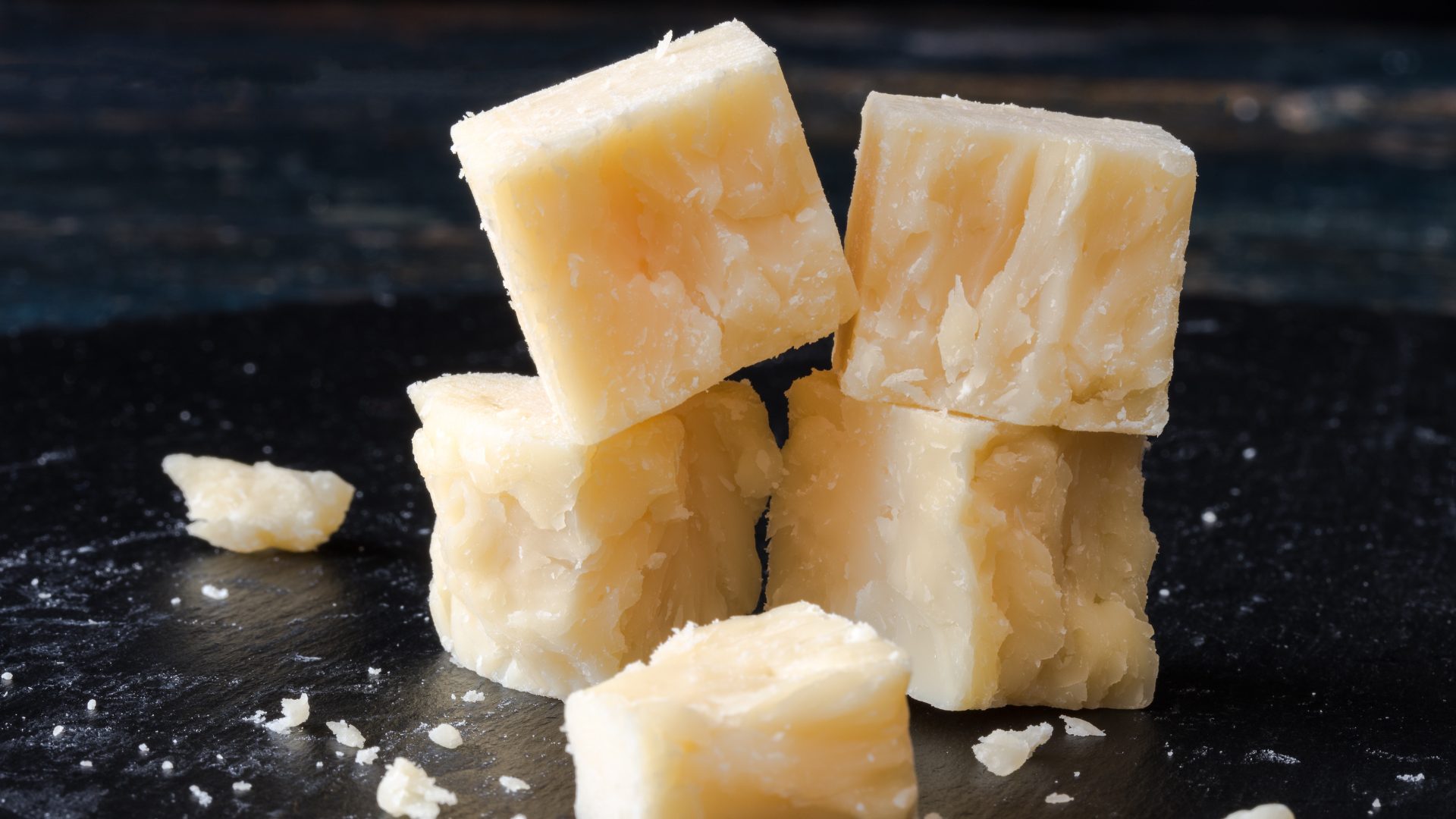
The Post reported there is epidemiological evidence linking a spate of illnesses to cheddar cheese made with raw milk from Raw Farm. During a similar outbreak in 2023 that eventually involved 171 people, the company issued a voluntary recall. This time, however, the company refused twice in March to take action and only complied April 2 “under protest.”

The Food Institute Podcast
This Episode is Sponsored by: City National Bank
John Linehan, president of Irresistible Foods Group, explains how organizational charts are being supplanted in the Capability Era and how a new vision of leadership is growing within the food and beverage industry in this episode guest hosted by City National Bank’s Shahe Kassardjian.