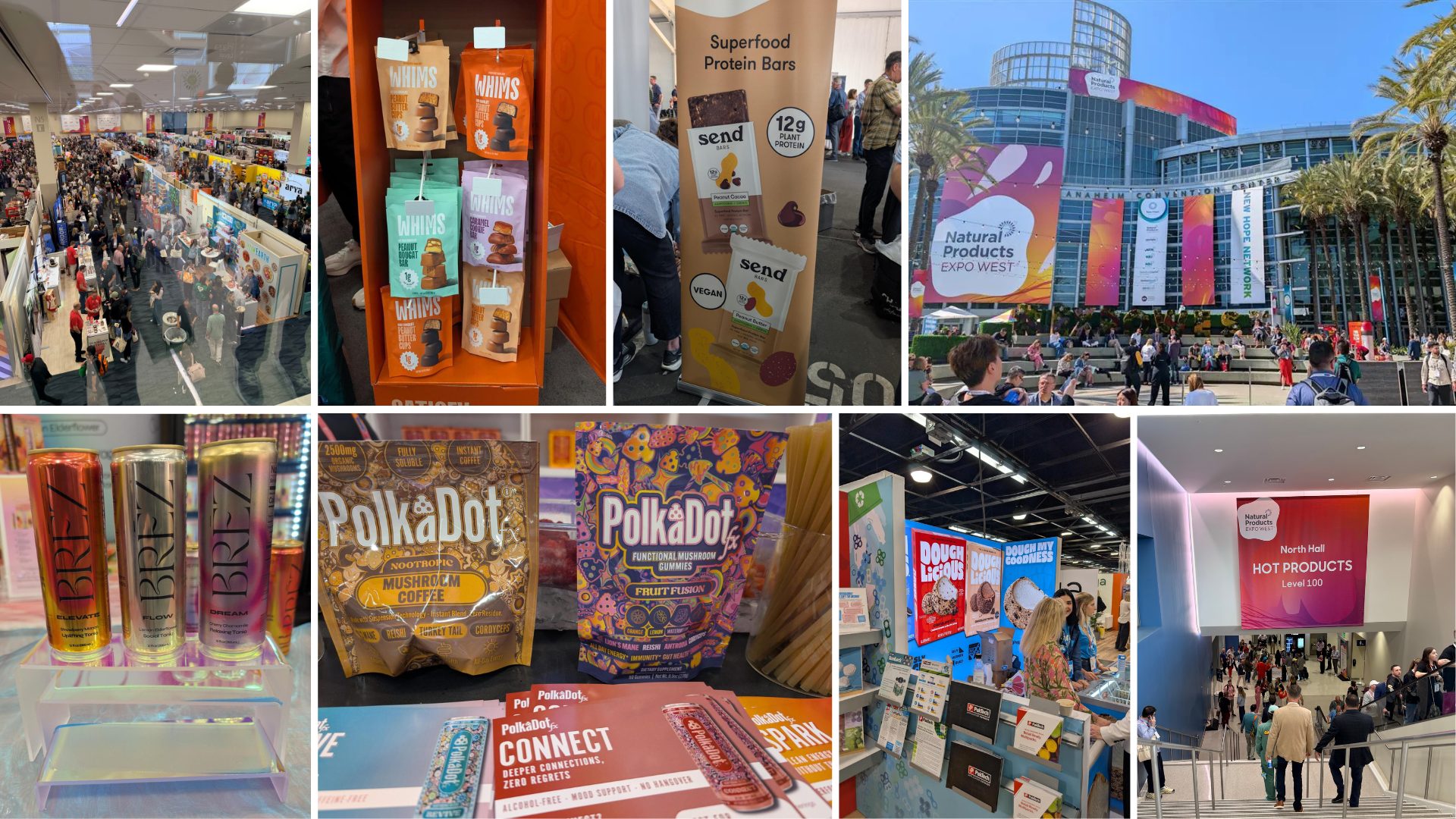
The functional food industry is entering a new phase of growth.
For more than a decade, protein was the hero ingredient in everything from shakes to snack bars and even desserts. However, today’s consumers are prioritizing gut health, metabolic function, and long-term wellness.
These shifts have pushed fiber into the spotlight, prompting many in the industry to ask an important question: Is fiber the new protein?
While protein remains essential, it’s no longer the center of functional nutrition. Most consumers already meet or exceed their protein needs and are now looking for products that deliver support for digestion, immunity, inflammation, and weight management. Fiber encompasses all of these areas, making it a valuable ingredient.
The Fiber Gap
Low fiber intake, on the other hand, is a widespread issue.
Many adults only consume around half the recommended daily amount, and this gap is linked to the conditions that create digestive irregularity, glucose instability, chronic inflammation, and heart troubles.
Few other nutrients have such a wide gap between the recommended intake and actual consumption rate, creating a compelling opportunity for brands to address a real public health need while differentiating themselves in a crowded market.

A Functional Powerhouse
Fiber is uniquely effective because it affects several core biological systems simultaneously.
It supports regular digestion, promotes stable blood sugar, improves cholesterol, nurtures a healthy gut microbiome, and helps prevent heart disease.
The outcomes directly match the health priorities of modern consumers. As interest in gut health and metabolic resilience increases, fiber’s relevance becomes even stronger.
So, is fiber a functional food? Yes — the benefits of fiber, such as inulin, beta-glucans, guar gum, galacto-oligosaccharides, and resistant starch, are plentiful.
These ingredients have demonstrated improvements in microbial diversity, insulin response, digestion, and heart health. This level of evidence gives fiber a scientific foundation that many other functional ingredients lack.
Changing Behavior and Demand
Consumers are seeking products that offer more than simple macronutrient counts. Research indicates that 82% of consumers in the United States consider wellness a top daily priority. They want foods that support digestion, produce steady energy and contribute to long-term wellness.
Interest in gut health has grown worldwide, and microbiome-related wellness categories are expanding quickly. This trend is pushing fiber into the leadership position that protein once held.
Opportunities for Brands
Brands across the industry are rapidly integrating more fiber into their products. As a result, there has been a significant increase in fiber claims on packaging.
For instance:
- Snacks now feature prebiotic fiber to improve gut health.
- Beverage companies are creating high-fiber drinks and wellness formulas.
- Cereal and granola brands are increasing whole-grain and added fiber content.
- Supplement companies are expanding prebiotic offerings.
Consumers are showing a growing interest in fiber as the popularity of holistic wellness increases, and the nutrient addresses an extensive and well-documented deficiency.
It benefits a broader population than protein-focused products and naturally fits into both whole-food and processed formats, improving texture and stability in product development as well. These advantages position fiber as a central driver of the next stage in functional nutrition.
Is Fiber the New Protein?
Fiber is shaping the future of the functional food industry. Its extensive scientific support, capacity to address major health concerns, and role in filling an urgent nutritional gap have given it a level of influence that rivals that of protein.
With consumer interest in gut health and metabolic wellness growing rapidly, it seems that fiber may very well be the new protein.
Food for Thought Leadership
In this episode of Food for Thought Leadership, Food Institute VP of content and client relationships Chris Campbell sits down with Barry Thomas, senior thought leader at Kantar, to unpack the rapid rise of agentic AI — a new class of AI systems that don’t just generate information but take action on behalf of the user.