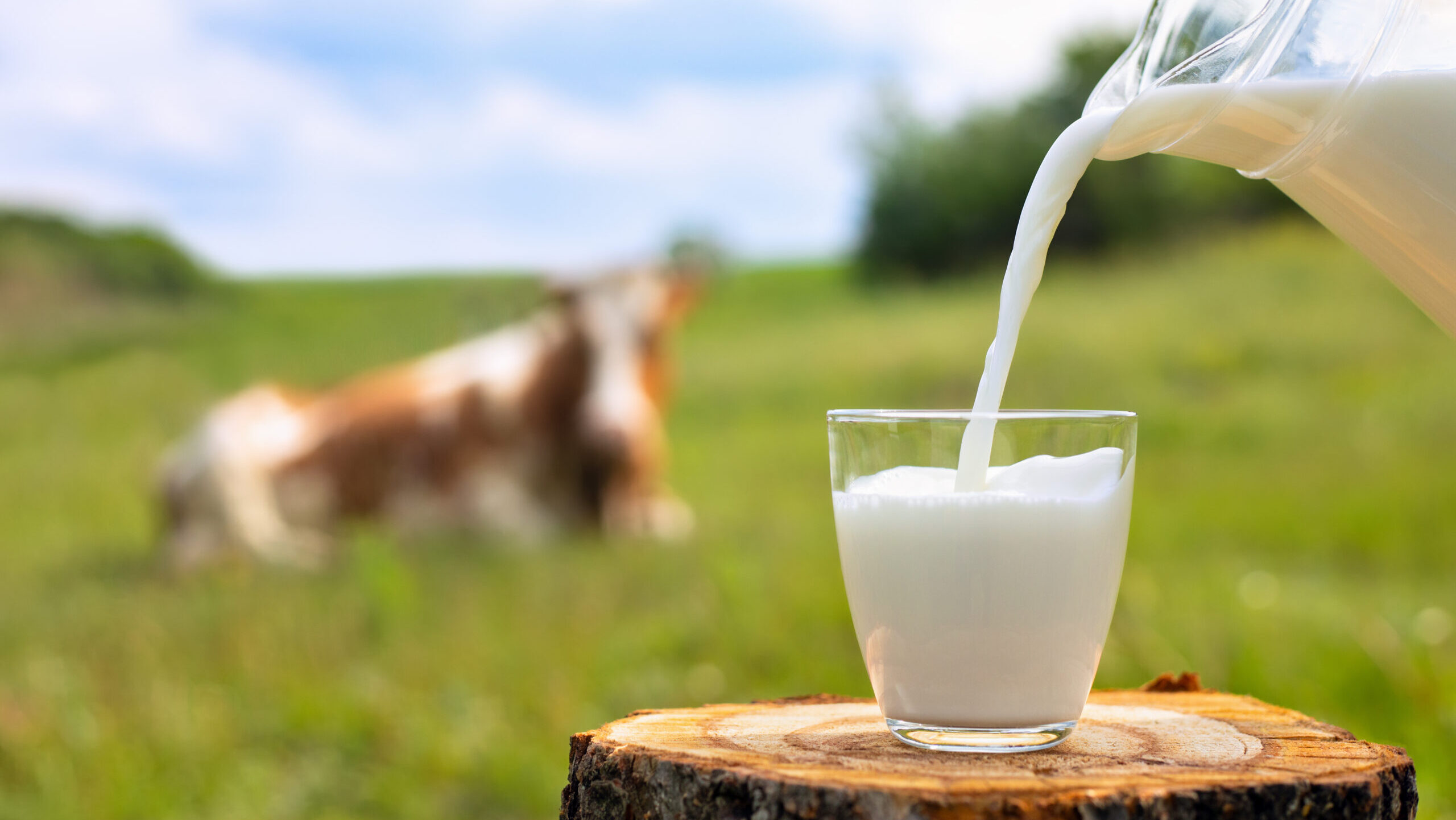
Drinking raw milk was once considered quite fringe, but it has gone mainstream recently – and its popularity within the Make America Healthy Again (MAHA) movement has played an integral role in this ascent.
Though it was largely illegal to sell raw milk before 2008, several states have either passed new laws or updated existing ones legalizing its sale within the last few years.
But just because it’s legal doesn’t mean it’s safe, which was the overwhelming consensus among the multiple health and legal experts interviewed for this story – and a recent recall corroborates these views.
Raw Milk Cheese Tied to Ongoing E. Coli Outbreak
In mid-March, cheddar cheese made with raw milk produced by Raw Farm, the largest raw milk distributor, was linked to an E. coli outbreak spanning multiple states, prompting the FDA to issue a voluntary recall of the products.
However, Raw Farm declined to voluntarily recall the products, arguing that they had tested negative for all harmful bacteria, including E. coli.
In response, the congressional Food Safety Caucus has asked the FDA to exercise its authority by forcing a recall of the products, as Newsweek reported.
This isn’t the first time Raw Farm has made headlines for this sort of issue.
In 2024, AP News reported that raw milk from the California-based farm was linked to the largest Salmonella outbreak in the past decade, which sickened at least 165 people.
So, what is raw milk exactly, and what are the primary risks associated with its consumption?

Raw Milk 101
“Raw milk is milk that has not been pasteurized, a process that removes disease-causing germs by heating milk to a high enough temperature for a certain length of time. Since the early 1900s, pasteurization has greatly reduced milk-borne illnesses. Pasteurized milk offers the same nutritional benefits without the risks of raw milk consumption,” read a statement sent to The Food Institute by Stop Foodborne Illness.
The advocacy group went on to explain that consuming products made from raw milk can expose people to dangerous germs, including:
- Campylobacter
- Cryptosporidium
- Listeria
- Salmonella
- E. coli
Michelle Schack, a dairy veterinarian specializing in public education, animal health, animal wellbeing, and food safety, noted that raw milk can be contaminated with harmful bacteria “even when it looks and tastes completely normal.”
The veterinarian added that the bacteria found in raw milk is not there because the cows are sick, as milking cows have a team of experts that care for their health.
“Healthy cows naturally carry different microbes than we do, and bacteria can also be introduced during the milking process. If you picture milk being collected into an open container, it’s easy to see how microbes from the environment can get in,” Schack explained.
She also pointed out that there are strict standards for pasteurization under the Pasteurized Milk Ordinance that make milk safe to drink; however, those obviously do not apply to raw milk.
David Goldman, a visiting researcher at the University of Helsinki, as well as a nutrition and exercise scientist, told FI that people who consume unpasteurized dairy are 840 times more likely to get sick and 45 times more likely to be hospitalized than those who drink pasteurized milk, citing a 2017 study.
It’s worth noting that the pathogens in raw milk can be especially dangerous to certain demographics, including children, older adults, pregnant women, and people with weakened immune systems.
The Unique Risks of Raw Milk for Children
Goldman also highlighted a 2025 CDC report revealing that 70% of cases in a major raw milk-related outbreak were reported in children – and 82% of those hospitalized were minors.
This issue is a personal one for Mary McGonigle-Martin, board co-chair of Stop Foodborne Illness, as her child was directly harmed by a Raw Farm recall.
“In 2006, my son was poisoned by this company’s raw milk and spent 56 days in the hospital fighting for his life. This company has had raw milk and cheese contaminated with STEC causing outbreaks in 2006, 2011, 2016, 2024 and now 2026. This cheese needs to be recalled,” McGonigle-Martin told FI.
Sandra Eskin, CEO of Stop Foodborne Illness, also emphasized how crucial it is for Raw Farm to recall the products.
“Raw, unpasteurized milk – and products made from it – pose a serious health risk to consumers. When illnesses are linked to a raw milk product, the company selling it must initiate a recall. As has been reported, the responsible company has refused to issue a recall, and that is unacceptable,” Eskin told FI.
Josh Benson, a personal injury attorney, told FI he’s seen firsthand the kind of damage that foodborne illness can cause, adding that, while some parents may believe raw milk is healthier for them, it becomes a bigger issue when children are involved.
“When contamination occurs, it is not just that individual who is affected. It can be several individuals in that family. Individuals can make their own decisions. However, they need to be informed decisions. Raw milk is not just a matter of preference. It is a matter of increased risk, and that is very real,” Benson told FI.
The Food Institute Podcast
How does a trip to Brazil, a stint in the music industry, and an apprenticeship at a pizzeria all come together to form a new style of condiment that would take the world by storm? Mike Kurtz, founder of Mike’s Hot Honey, shares the story of his company’s founding, how the swicy trend is propelling his business, and how CPG partnerships continue to inspire the brand’s fans.