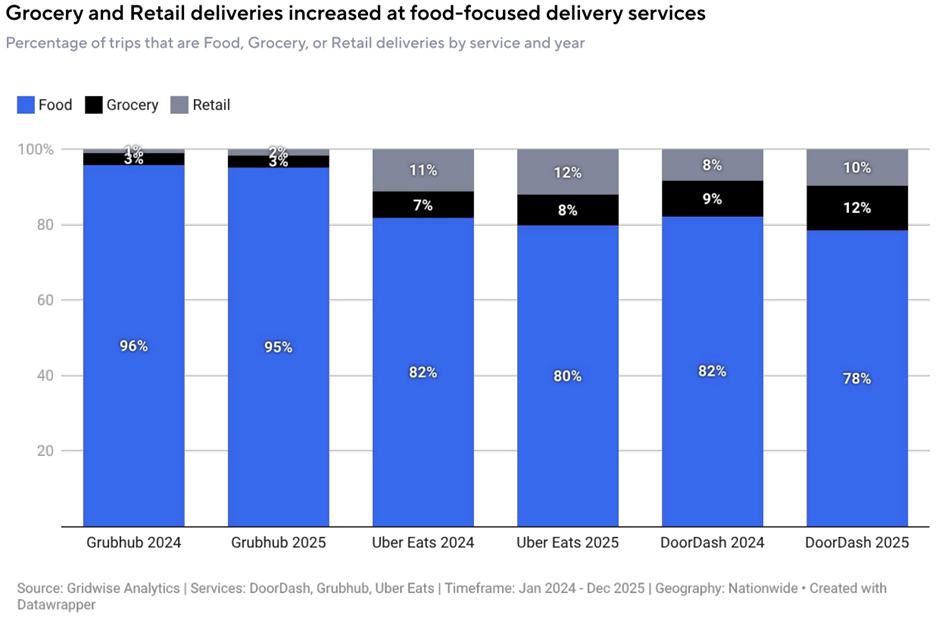
Although a modest part of overall online food and beverage sales come from services that offer online delivery, its portion of overall sales grew across key platforms, accounting for 20% of Uber Eats deliveries (up 11% from 2024), and 22% of DoorDash’s (up nearly 30% from 2024).
This means the interplay between grocers and restaurants is about to get more heated.
Gridwise Analytics recently found that food delivery is the most common type of gig work, according to workers polled: 71% ride for food delivery, 36% for rideshare, 32% for groceries, and 18% for packages.
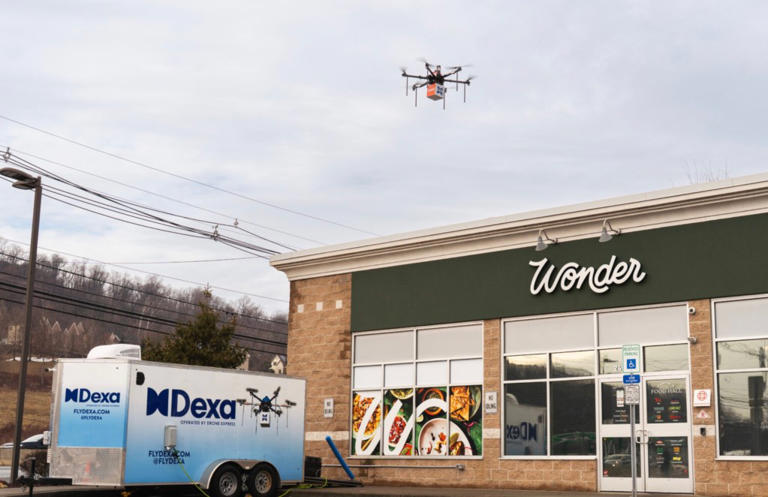
Historically, although DoorDash has led in terms of food delivery market share, and Instacart has dominated on the grocery side, Uber Eats and Grubhub are finding their niches and innovating on emerging need states, such as drone delivery, alternate channels (schools, workplaces, etc.), and technological capabilities.

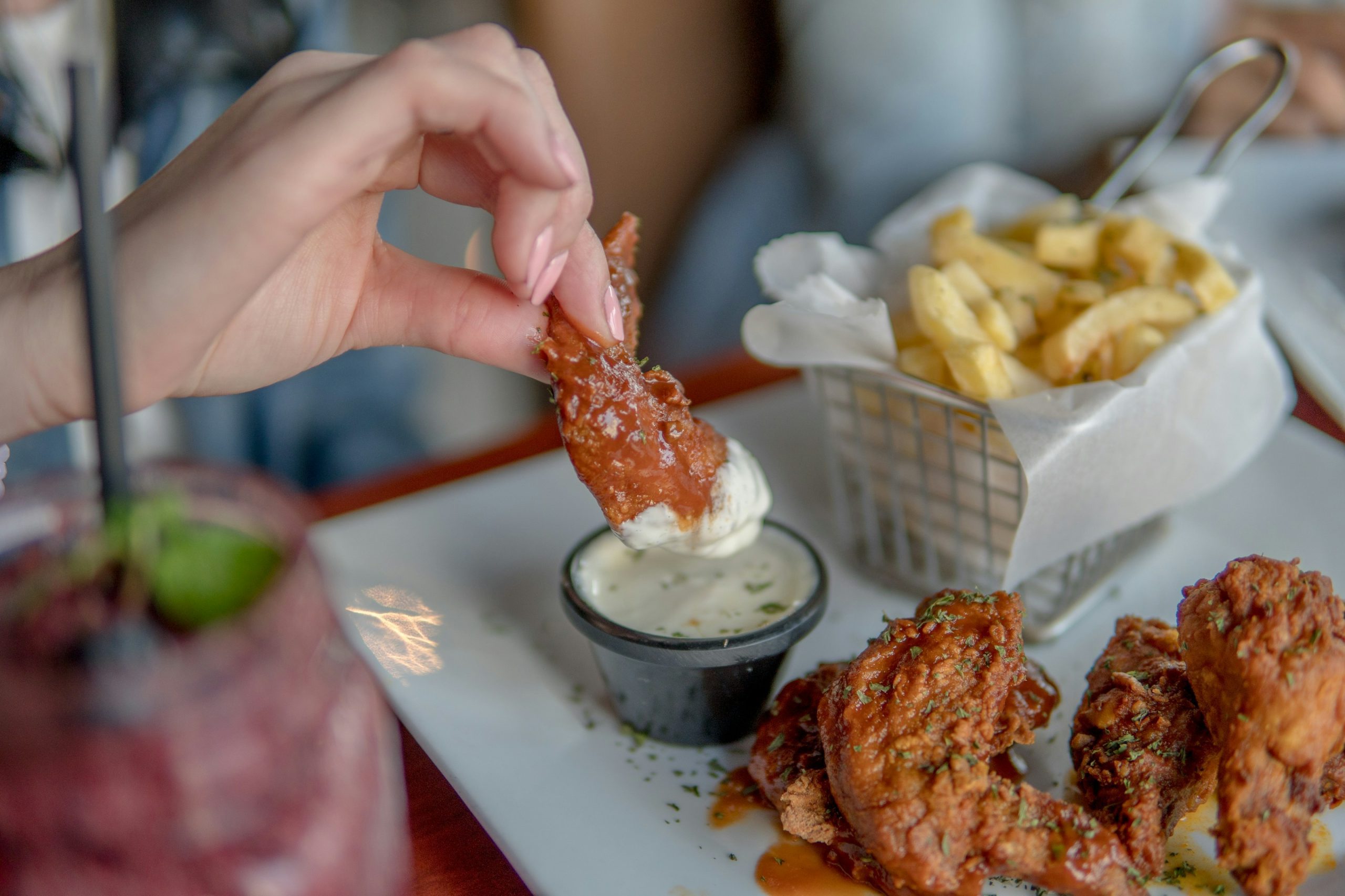
When it comes to delivery favorites, the report broke down the top chains by type:
- Restaurant: (1) McDonald’s, (2) Taco Bell, (3) Chick-fil-A, (4) Starbucks, (5) Chipotle
- Grocery: (1) Walmart, (2) Dollar General, (3) Target, (4) Safeway, (5) ALDI
- Convenience: (1) 7-Eleven, (2) Wawa, (3) Sheetz, (4) Speedway, (5) Casey’s General Stores
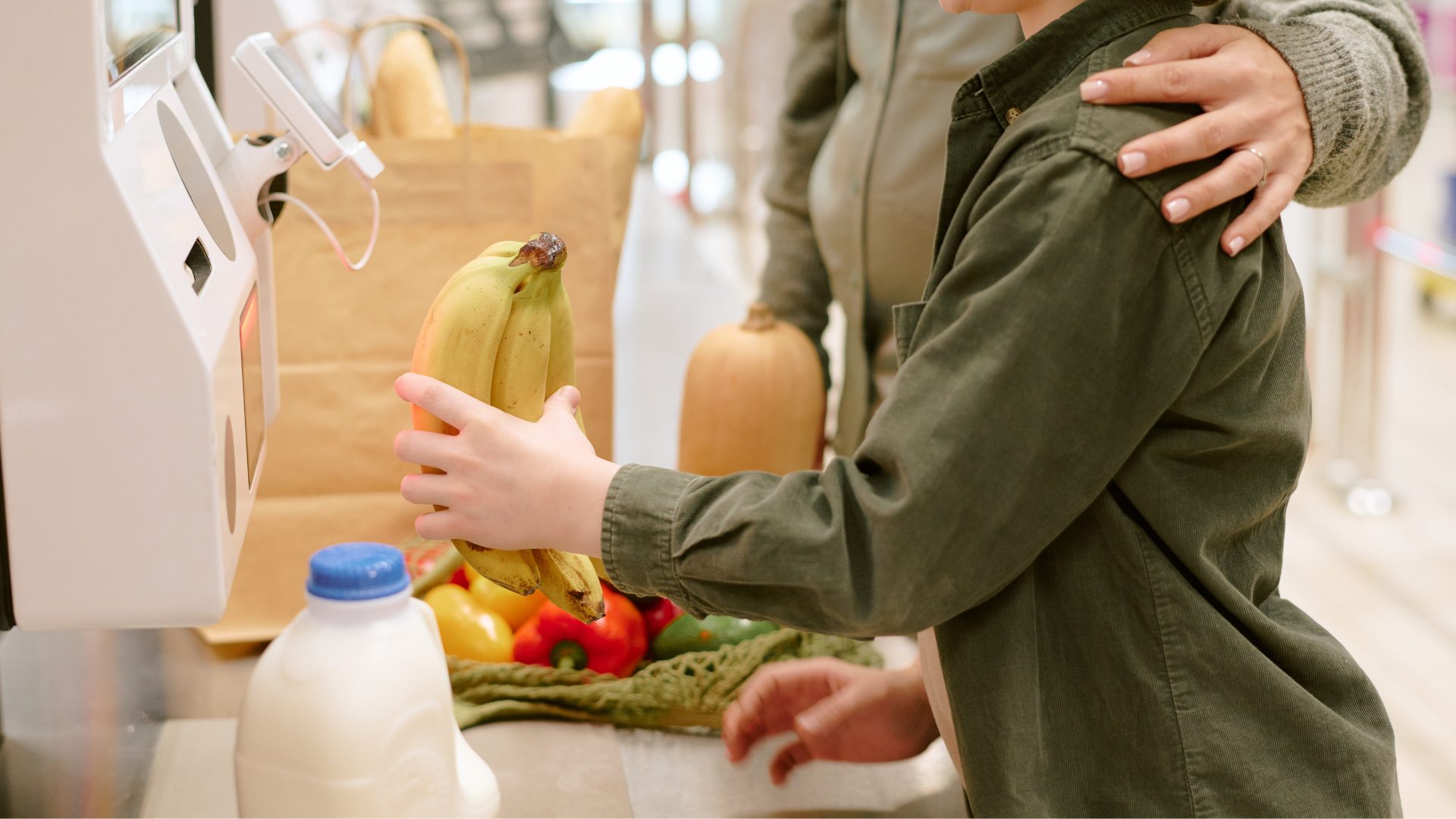
Gen Alpha is emerging as a purchase driver for food delivery orders. A recent report from PwC found that roughly 25% of kids say they independently order through shopping apps and online food delivery apps. On the other hand, only 14% of parents think their kids order food delivery on their own.
When it comes to overall F&B impact, 72% say they buy food and drinks.
How, Why Users Order
Across all generations, delivery fees continue to be a sticking point for consumers, with Gridwise Analytics finding that nearly half say they would switch to pick-up or to another app if they noticed fee hikes.
Interestingly, the percentage of consumers valuing the convenience over the cost increased 7% to 37.4% looking at the year ahead, despite overall economic headwinds and fiscally conservative consumer sentiments. Exhibit A: 37% of restaurant goers say they compare prices before deciding where to dine, according to a recent Upside report.
Nevertheless, nearly 49% say they will switch to pick-up or another app to beat higher fees, down 1.4% from 2024.
Price, convenience, and speed round out nuanced food delivery purchases. When asked if shoppers will stick with an app if delivery times increased, most said yes, increasing 8.5% from 2024, stating that they value convenience over speed.
Taken holistically, these responses imply that convenience reigns supreme for food delivery purchases, highlighting that players don’t need to compete on the “price wars” as vehemently as in-store foodservice segments. Moreover, ultrafast delivery may be losing traction, which was identified as a possible growth area, particularly for grocery, for many businesses including Amazon and Uber Eats.
Online food delivery services are also benefiting from more loyal shoppers: when asked how often users order food delivery in a month, the largest growers came to 3-5 times (+4.4% between 2024-2026), 6-10 times (+5.1%), and more than 10 times (+1.1%).
How, Why Gig Workers Work
Although most gig workers concentrated on a single service in 2025, 24.3% consider themselves “multi-appers,” leveraging many services to find more flexible, consistent work. This minority, however, shrunk by 2.4 percentage points from 2024.
DoorDash maintains the highest level of worker loyalty, with 78% finding opportunities exclusively on the app. Uber Eats sits closer to 46% as of the end of 2025.
Despite many consumers feeling tipping culture has gotten out of hand, average food delivery platforms beat out rideshare for tip pay, expecting pay 3x or more per hour worked.
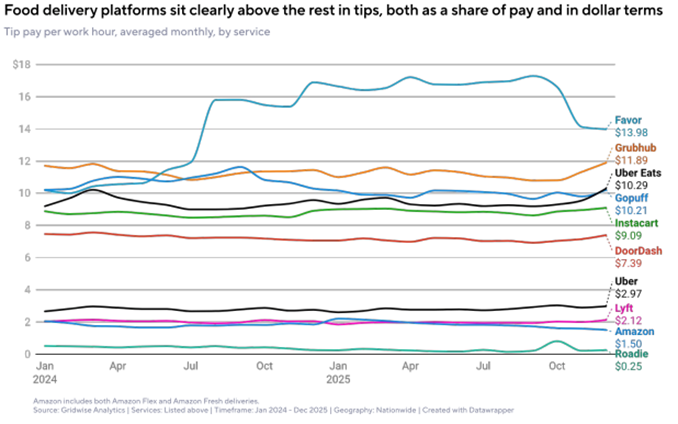
Overall wages, however, still tend to even out, with money earned from rideshare base orders outpacing food, grocery, and retail orders. This just means that food delivery workers make roughly 50% of their income from tips, whereas that number drops for rideshare and parcel deliveries.
The Food Institute Podcast
While many food industry professionals were hoping that the Supreme Court ruling on tariffs would elucidate the current global trade environment, it appears that it may have added more uncertainty than before. CBIZ’s Lou Biscotti and Mark Baran, and former Customs expert Michael Contino, all join The Food Institute Podcast to provide clarity and actionable insights.