Savvy quick-service restaurants (QSRs) are investing in their breakfast strategy to secure growth in 2026. McDonald’s, Dunkin’, Starbucks, and Dutch Bros are among the latest businesses capturing on shifting consumer behaviors.
Ian O’Neil, director of consumer intelligence for Rubix Foods, told FI that, although competition is intense, breakfast has been a bright spot for QSRs, in an upcoming monthly report on the topic.
“We’re seeing some interesting shifts in visitation by daypart, with QSRs gaining share at breakfast from C-stores,” O’Neil said.
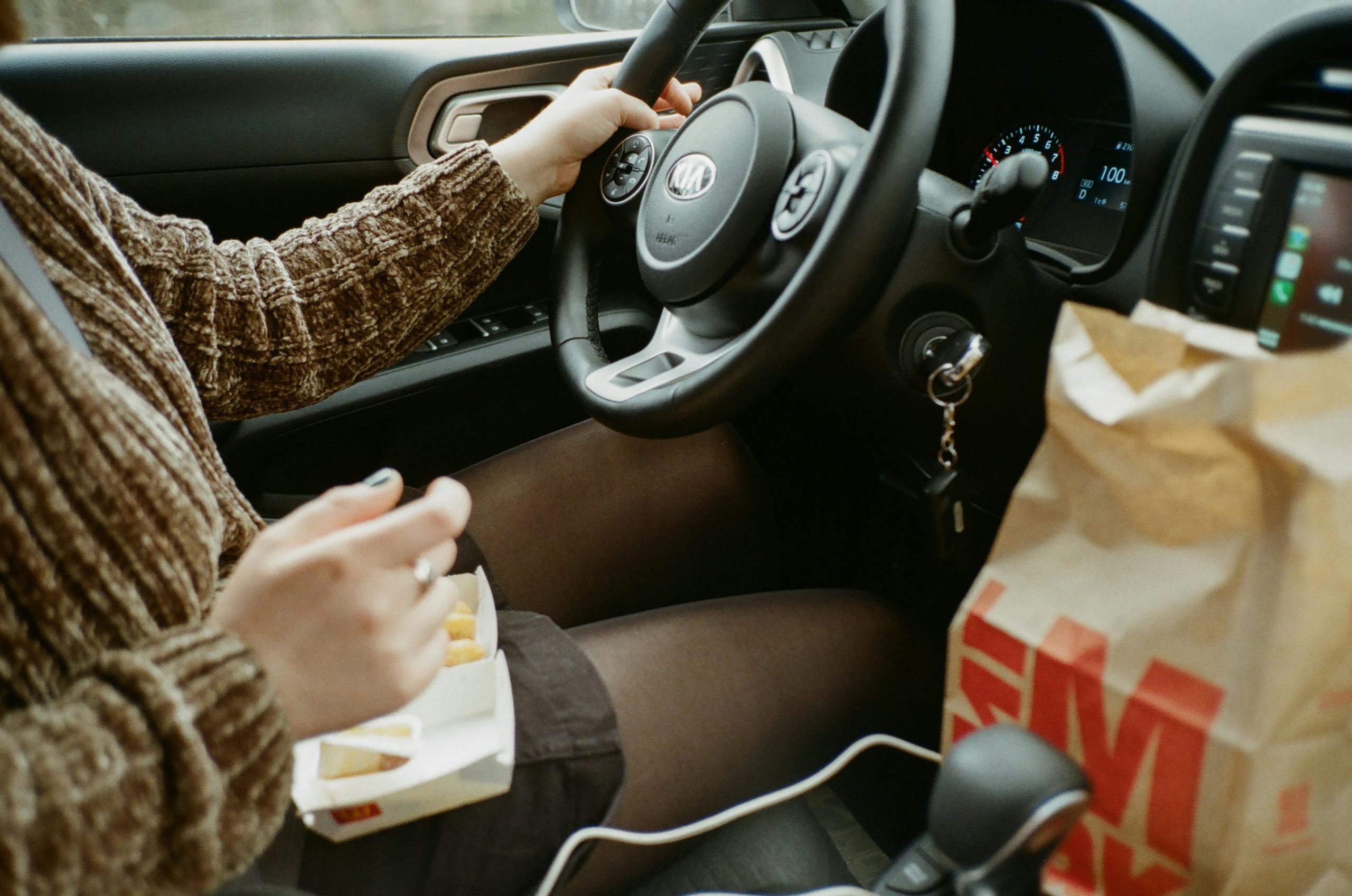
Recently, McDonald’s said it would accelerate morning daypart efforts with a revamped under $3 value menu, which includes a medium coffee, Sausage McMuffin, Sausage Biscuit, Sausage Burrito, or Hash Browns. For $4, customers can upgrade to a breakfast combo with coffee, a sandwich, and hash browns.
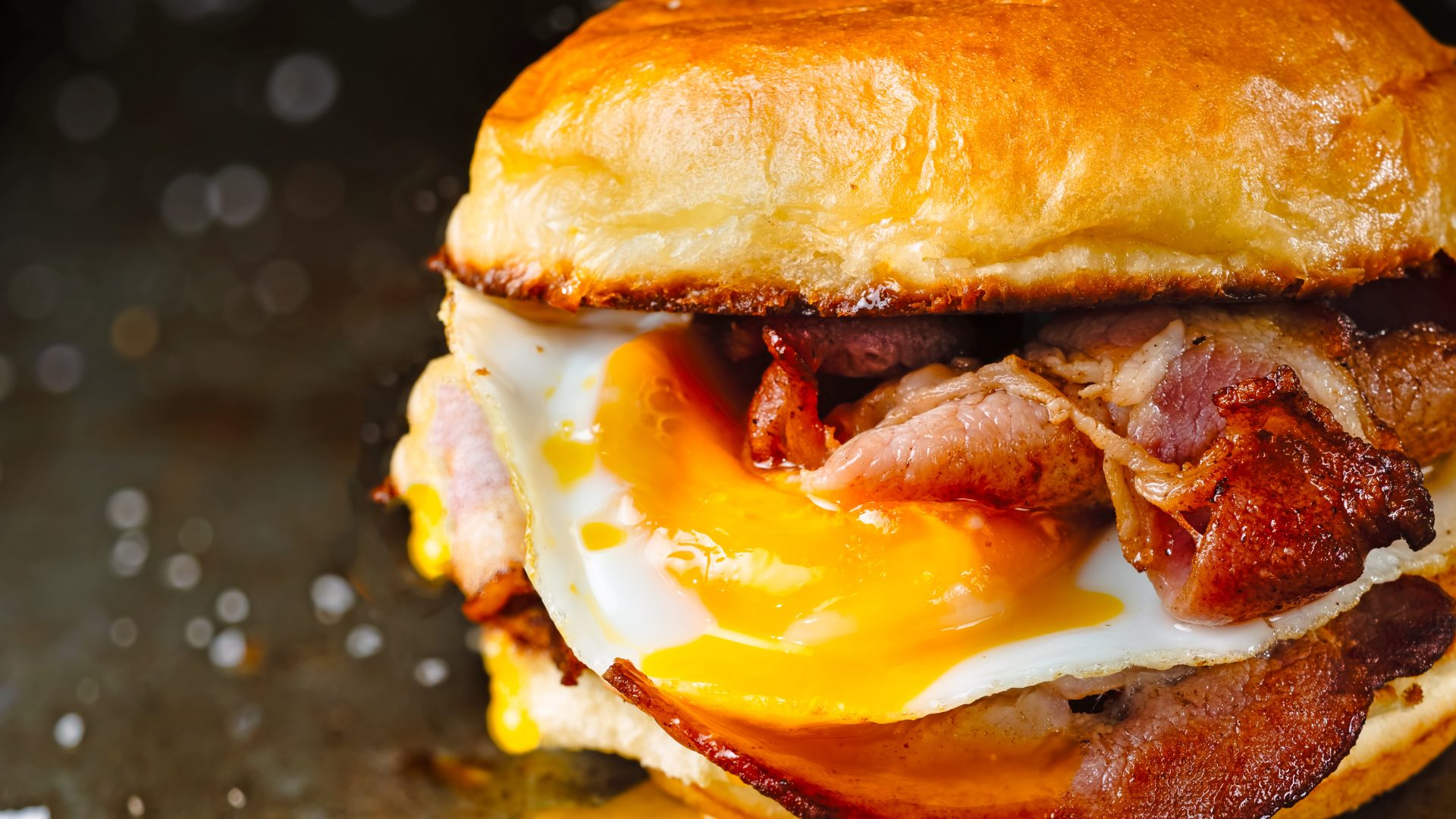
The move echoes a similar play from Dunkin’, which introduced a $6 breakfast meal deal last month, which offers a Bacon, Egg & Cheese sandwich, Hash Browns, and a medium hot or iced coffee.
This phenomenon is larger than QSRs. Menu penetration for breakfast entrees grew 6.5% over the last 12 months, with an anticipated 3% growth projected, per Menu Data. Large chains are driving penetration growth, up 8.9%, although they trail small chains and independents on overall penetration.
Despite a recent focus on the daypart, QSRs only represent roughly 23% of the market, while casual dining claims nearly 28%, suggesting its position as a growth lever in the year ahead.

Not Just for Cafés
Paired with a routine purchase, such as a coffee, café chains are obviously primed to benefit, but legacy leaders, such as McDonald’s and Taco Bell, can pull through with innovation and attractive price points.
When it comes to daypart dominance, FI previously reported that eight of the top 10 U.S. QSRs won with breakfast customer penetration in 2025. Although most lead with a morning coffee value proposition, Chick-fil-A’s presence on the list signals growth across the segment. For the convenience chains (e.g., Buc-ee’s, Kwik Trip, Sheetz, Wawa), roughly 40% of trips account for coffee, synergizing with existing breakfast portfolios.
Across the board, these consumers tend to be more routine, complementing a morning schedule or work commute.
Taco Bell has found another breakfast advantage: social media traction. Items such as the Breakfast Crunchwrap regularly generate viral reviews on TikTok, where individual videos routinely reach hundreds of thousands to millions of viewers.
In fact, research suggests that younger generations are even more keen on a Mexican-inspired breakfast. Chartwells K12 found that 82% of Gen Alpha said breakfast burritos were among their favorite foods.
To ensure success, QSRs are likely to target younger generations, who are less likely to eat breakfast out.
Recent data from Menu Data showed that Gen X leads for breakfast dining away-from-home. Similarly, when asked whether they had eaten breakfast at a QSR, 33% of Gen Z said yes, followed by 25% of Millennials, 38% of Gen X, and 35% of Boomers.
A Misunderstood Lever
QSR opportunity is nascent; it is also fierce.
“Brands aren’t just competing with each other, they’re also up against whatever consumers have at home,” said O’Neil.
He echoed McDonald’s CEO Chris Kempczinski’s daypart musings in a Q3 2025 earnings call.
“Breakfast tends to be … the most economically sensitive daypart. It’s an easy daypart to either skip the meal or eat at home,” Kempczinski said.
“Industry wide, we’re holding share in breakfast … we’re doing okay in that segment.”
Since then, the chain made larger swings for the segment, highlighting its optimism in leveraging breakfast as a growth lever.
Other efforts from national QSRs have not been so keen on breakfast daypart dominance.
Case in point, Wendy’s doubled back on its efforts after U.S. same-store sales faced its steepest decline in six years, falling 11.3%.
“We continue to believe that breakfast is an important daypart for the U.S. system,” said CEO Ken Cook during the Q4 2025 call.
Instead, he cited data showing customer dynamics in select markets running counter to its overall breakfast platform as a reason to ditch the daypart.
The reveal comes roughly two years after the previous CEO invested nearly $55 million in advertising in its breakfast portfolio.
Even café chains are diversifying their breakfast plays. Dutch Bros kicked off the year with breakfast-themed LTOs, including the Maple Waffle Latte and Banana Bread Mocha. It said it would unveil an expanded menu later in the year.
Starbucks is also investing in breakfast performance with a bid for protein-add-ons and customization. Since noting that protein drinks hit peak popularity on Fridays at 8 a.m., it added MUSH Overnight Oats to their menu, offering a high-protein breakfast option.
As competition intensifies, the breakfast diner is becoming a contested consumer subgroup where value, innovation, and routine come together to decide the winners.
The Food Institute Podcast
This Episode is Sponsored by: City National Bank
John Linehan, president of Irresistible Foods Group, explains how organizational charts are being supplanted in the Capability Era and how a new vision of leadership is growing within the food and beverage industry in this episode guest hosted by City National Bank’s Shahe Kassardjian.