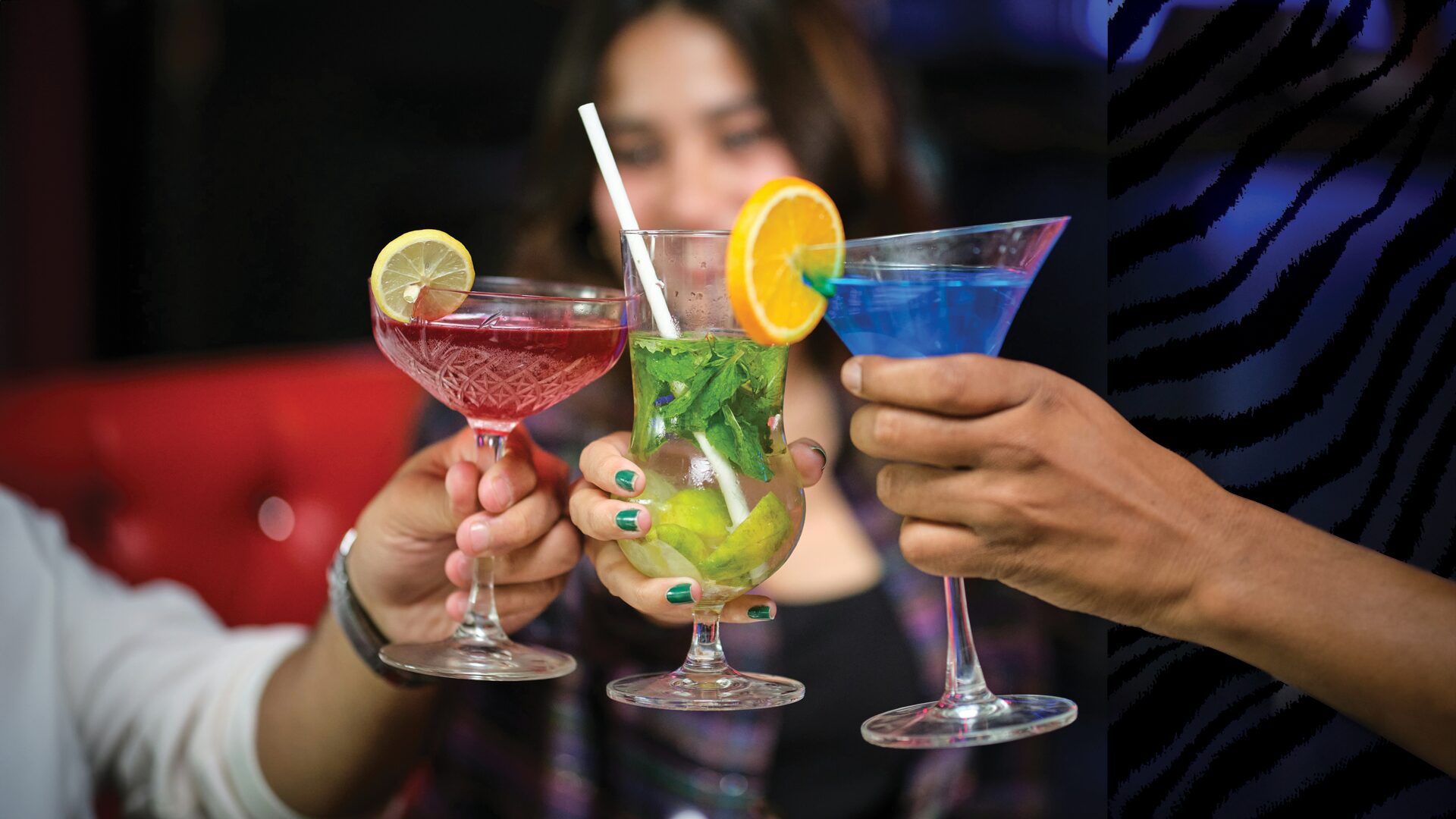
The growth phase of NA beer appears to be shifting. That much is apparent at clubs like The Maze, New York City’s first alcohol-free members club, where patrons aren’t so much sober curious as they are eager to have experiences that feel mature and “occasion-appropriate,” according to club founder Justin Gurland.
“What we’re seeing now is less about hype and more about habitual integration,” Gurland told The Food Institute. “NA beer provides familiarity and ritual – we see it ordered during business dinners, casual bar moments, and alongside food in a way that signals normalization rather than novelty.”
According to Dallas-area bar manager Sanwar mal Khokar, “the growth has slowed” in the non-alcoholic beer category.
Other industry insiders feel beer brands like Heineken, Michelob Ultra, and Corona are simply being more discerning regarding how they approach NA products.
The NA beer segment failed to grab a significant amount of dollar share in grocery stores in January, according to NIQ data. NA beer’s share increased 0.1% year-over-year, to 4.3% at grocery stores during January, according to Brewbound. Such data points have left some wondering if movements like “Dry January” have dried up to an extent.
“I don’t think the [NA] category is over, but I do think it’s moving out of the super-hyped phase and into a more mature one,” said Eran Mizrahi, CEO of Source86, a global sourcing and private-label partner. “A couple years ago, there was this big rush to launch NA options, just to have something in the space because it was growing at such a high speed. Now brands are being more selective.”
The global NA beer market was valued at $24 billion in 2025 and is projected to reach nearly $26 billion by year’s end. Global Market Insights projects the NA category to reach $50.8 billion by 2035, growing at a CAGR of 7.8% over the next decade.
Yet, the NA category still accounts for just 2.5% of total beer sales.

Gen Z Health Kick Pushes NA Beer Toward Maturity
“Most of the growth story has yet to unfold,” said Paul Nelson, managing director at Method1. “The demand drivers for NA beer are cultural rather than seasonal; younger, legal-age consumers are drinking less, and the sober-curious movement has moved from trend to permanent lifestyle shift.”
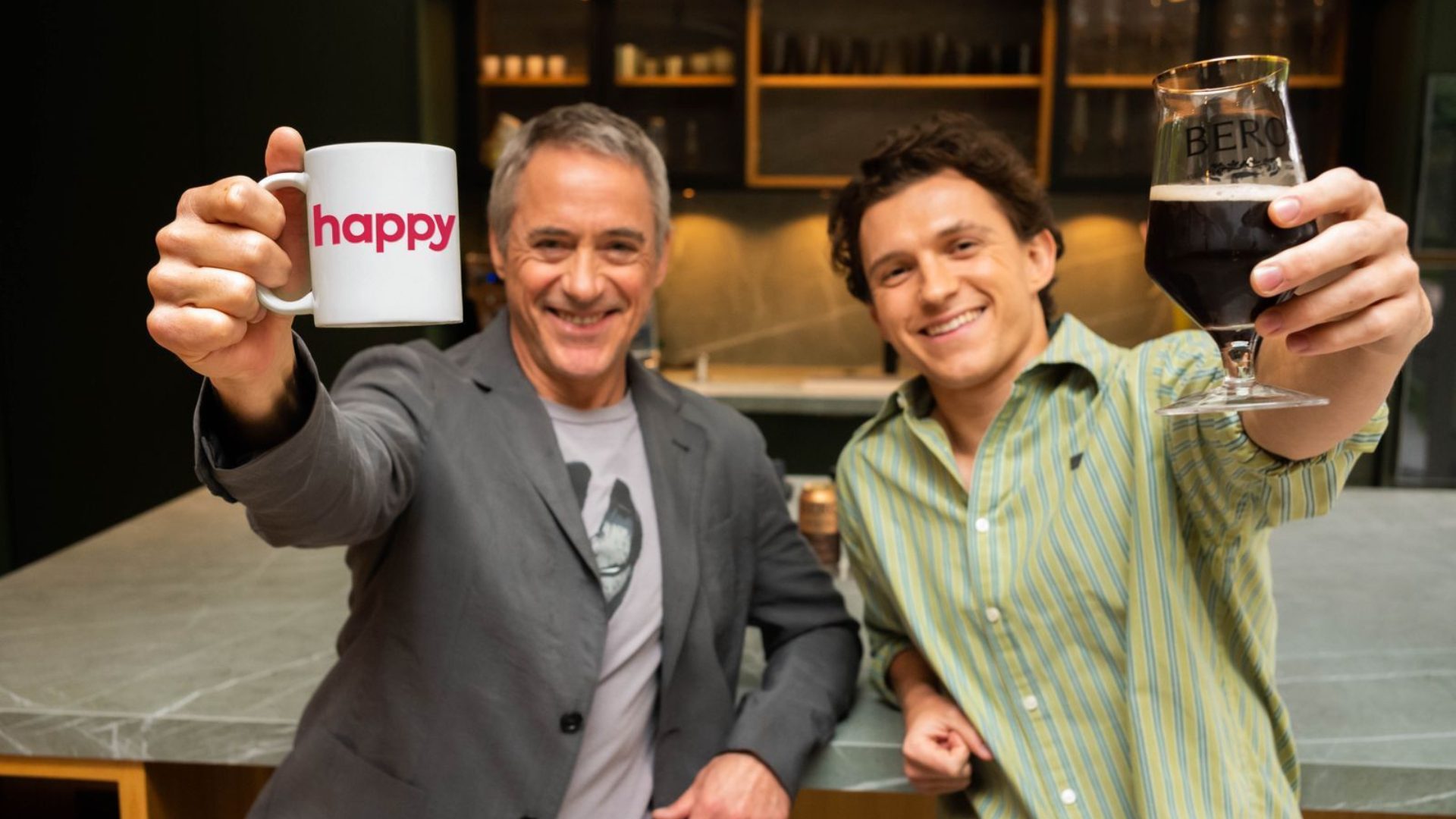
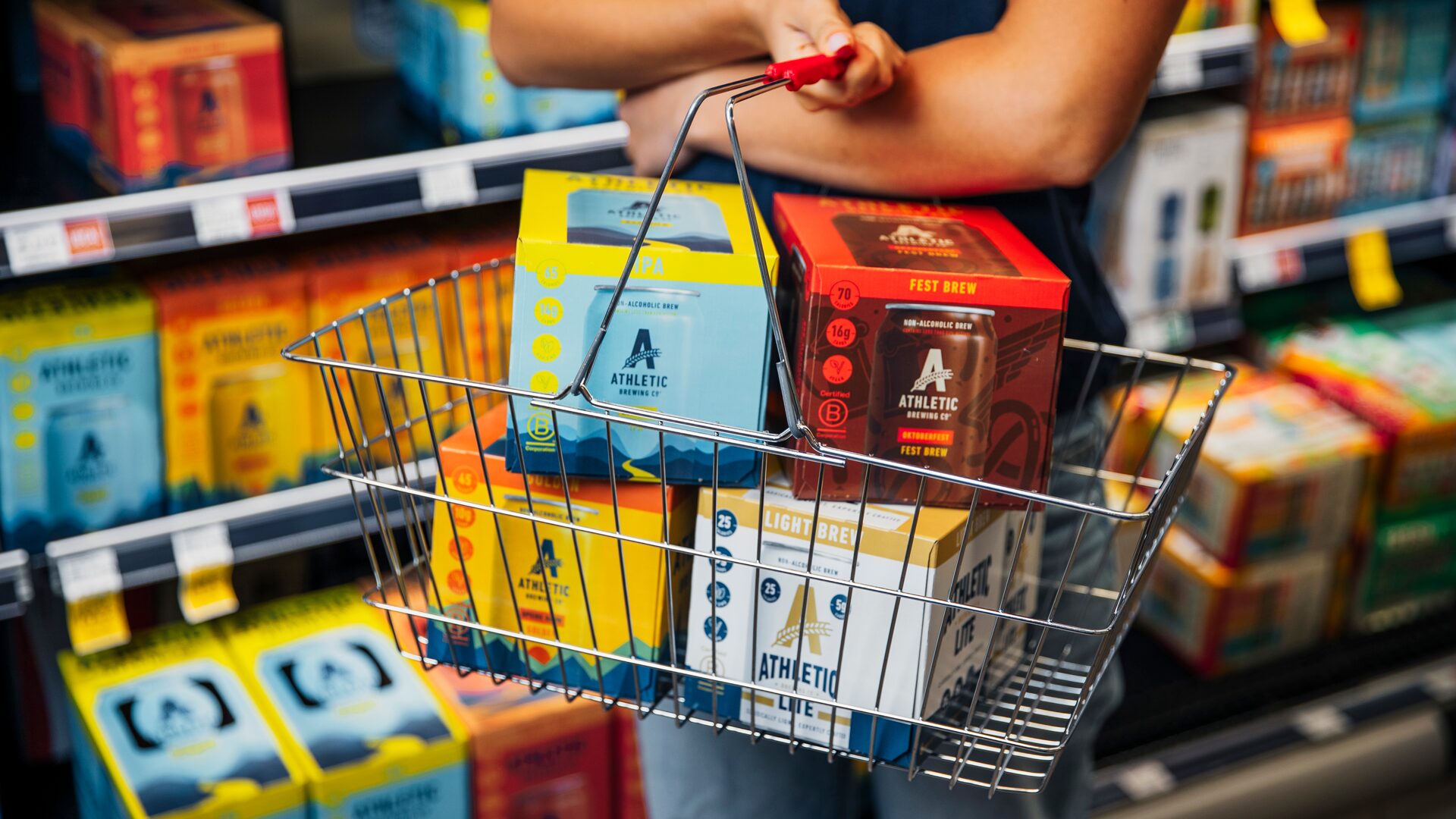
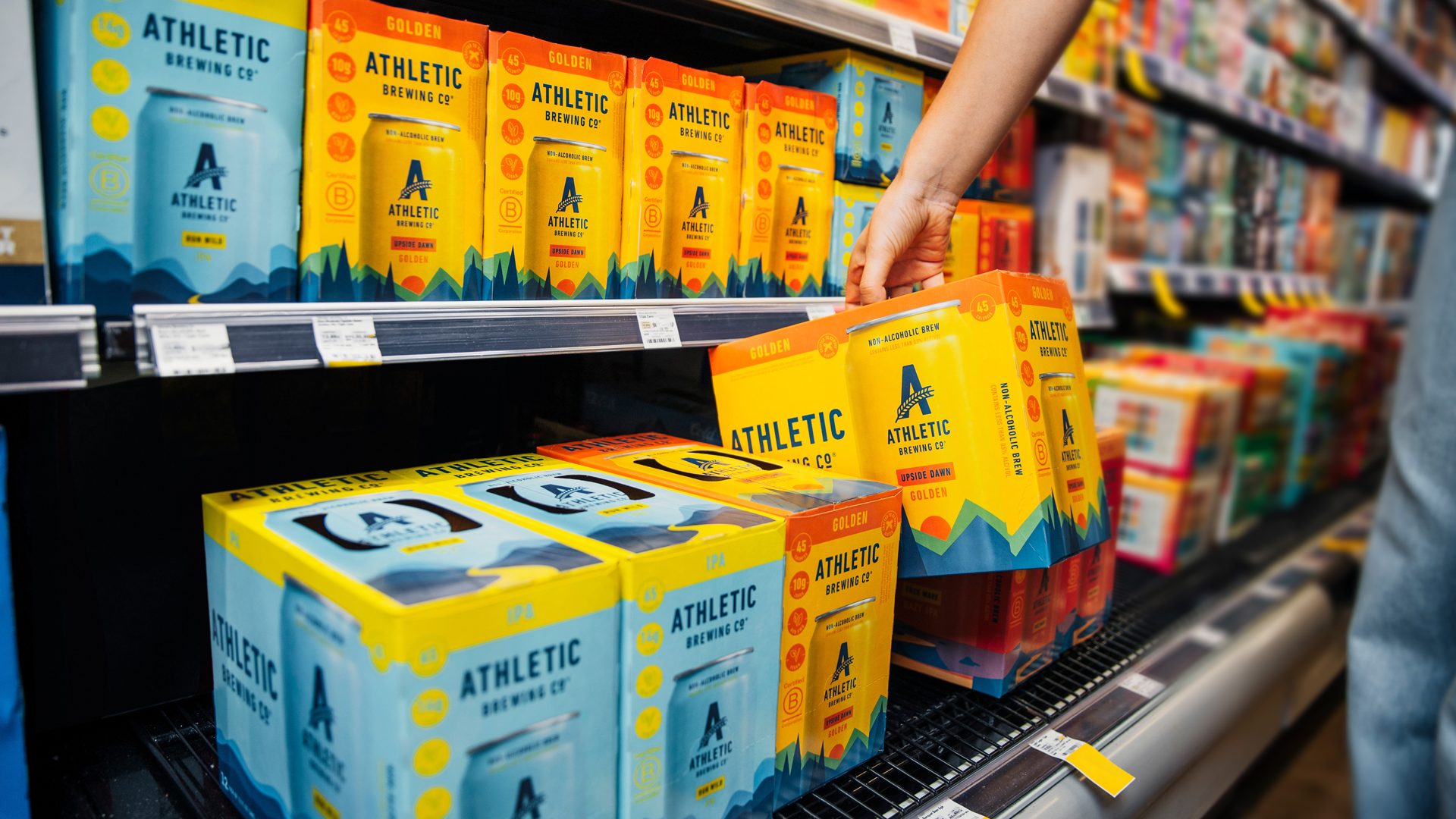
While young adults like those in Gen Z tend to be turned off by alcohol, many are intrigued by NA brands like Athletic Brewing and Bero. These relatively new brands market their products to consumers seeking an active, healthy lifestyle.
Consider: if you view Athletic Brewing advertising, chances are it features young hikers atop a mountain bluff.
“Gen Z has spoken, with a cultural moment (suggesting) that health and longevity are their focus, and they take a different approach to alcohol consumption – in moderation, or choosing alternative substances,” said Jen Millard, the CEO of canned-water brand mainelove.
What Modern NA Fans Demand
In recent years, the most popular NA brands, like Heineken 0.0 and Budweiser Zero, focus on delivering three things consistently:
- Reliable taste
- Clear positioning
- Broad availability
“Novelty cycles come and go, but when consumers know what to expect from a product – and can find it easily – repeat behavior follows,” Gurland noted.
As NA beer evolves from being a curiosity to a liquor-store staple, the category’s devotees have come to demand bolder flavors.
“We’re seeing strong momentum in craft and premium NA offerings, which tells us consumers want quality and flavor, not just a substitute,” said Chuck Buckingham, the CMO of Mahou USA, the parent company of Founders Brewing Co. and Avery Brewing Co.
Meanwhile, brands need to market NA beer for moments like family gatherings, work events, and road trips.
“Brands that market NA purely as an alternative for people who can’t or won’t drink have a growth ceiling built into their strategy,” Nelson said.
“The brands that build lasting businesses will be the ones that grow by claiming entirely new drinking occasions, not by competing for a share of the ones that [traditional] beer already owns.”
NA’s Long-Term Outlook
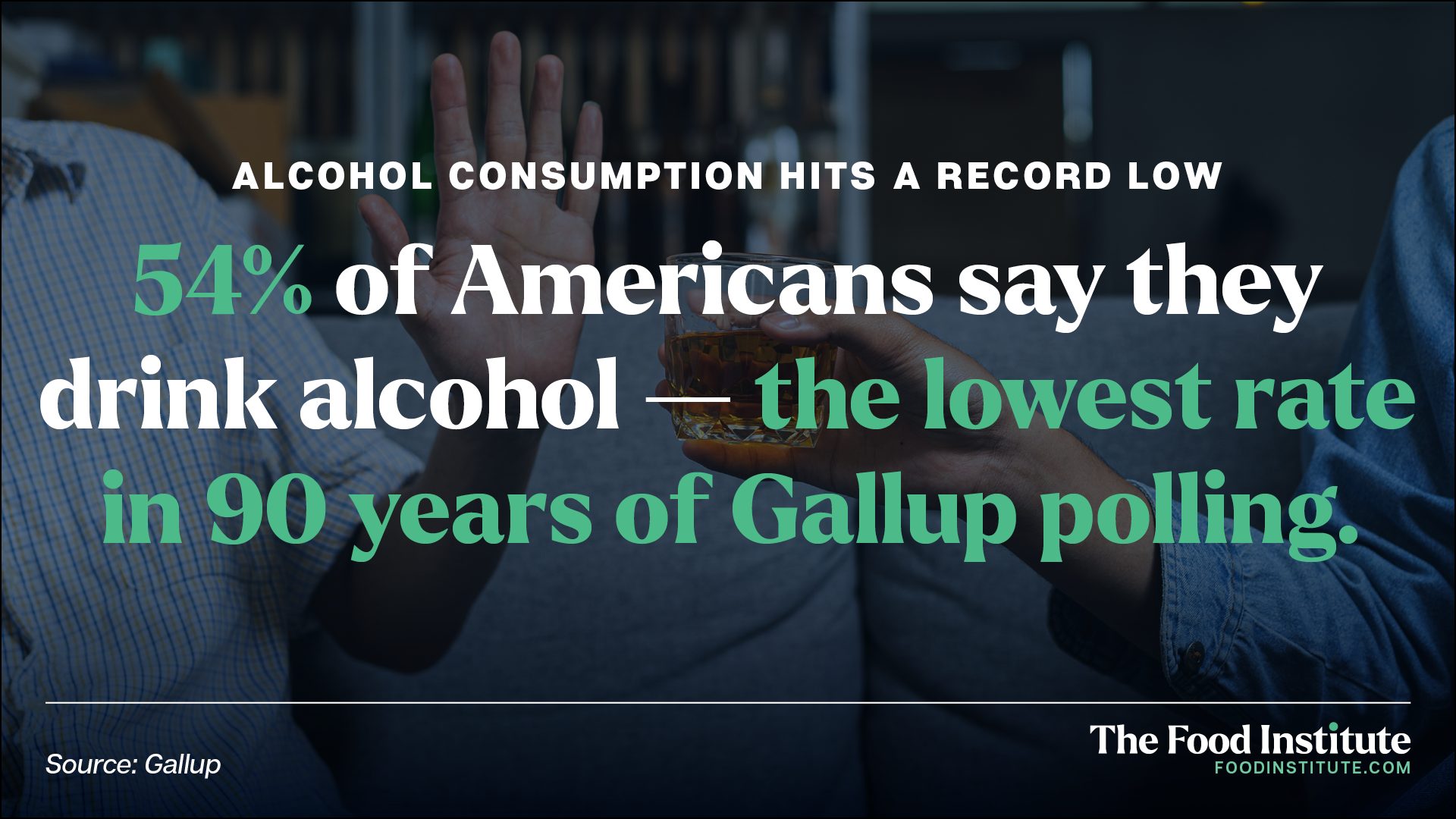
Experts feel that growing interest in health and wellness provides NA beer manufacturers with reason for hope. An August Gallup poll indicated just 54% of Americans said they consume alcohol, the lowest percentage in the poll’s 90-year history.
Another key factor in the long-term prospects of NA beer:
“Manufacturers’ interest in producing – given pure play Athletic and traditional-beer brand extensions like [Michelob] Ultra Zero, Corona NA, Heineken 0.0, etcetera – suggests the trend will continue,” said Scott Scanlon, executive VP, alcoholic beverages at Circana.
Younger generations, certainly, are drinking less. Health goals are part of many consumers’ everyday decision-making; those movements aren’t seasonal but rather generational.
“The long-term viability of NA beer will ultimately come down to whether we see it as a trend cycle or a cultural shift. From what I see, this is much closer to a movement,” Gurland said.
“Movements sustain when they reflect deeper values,” the club operator added. “The shift toward moderation, balance, and intentional socializing is not going away. NA beer sits directly at that intersection.
“The [NA] era is not over. It’s maturing – and that is a healthy sign.”