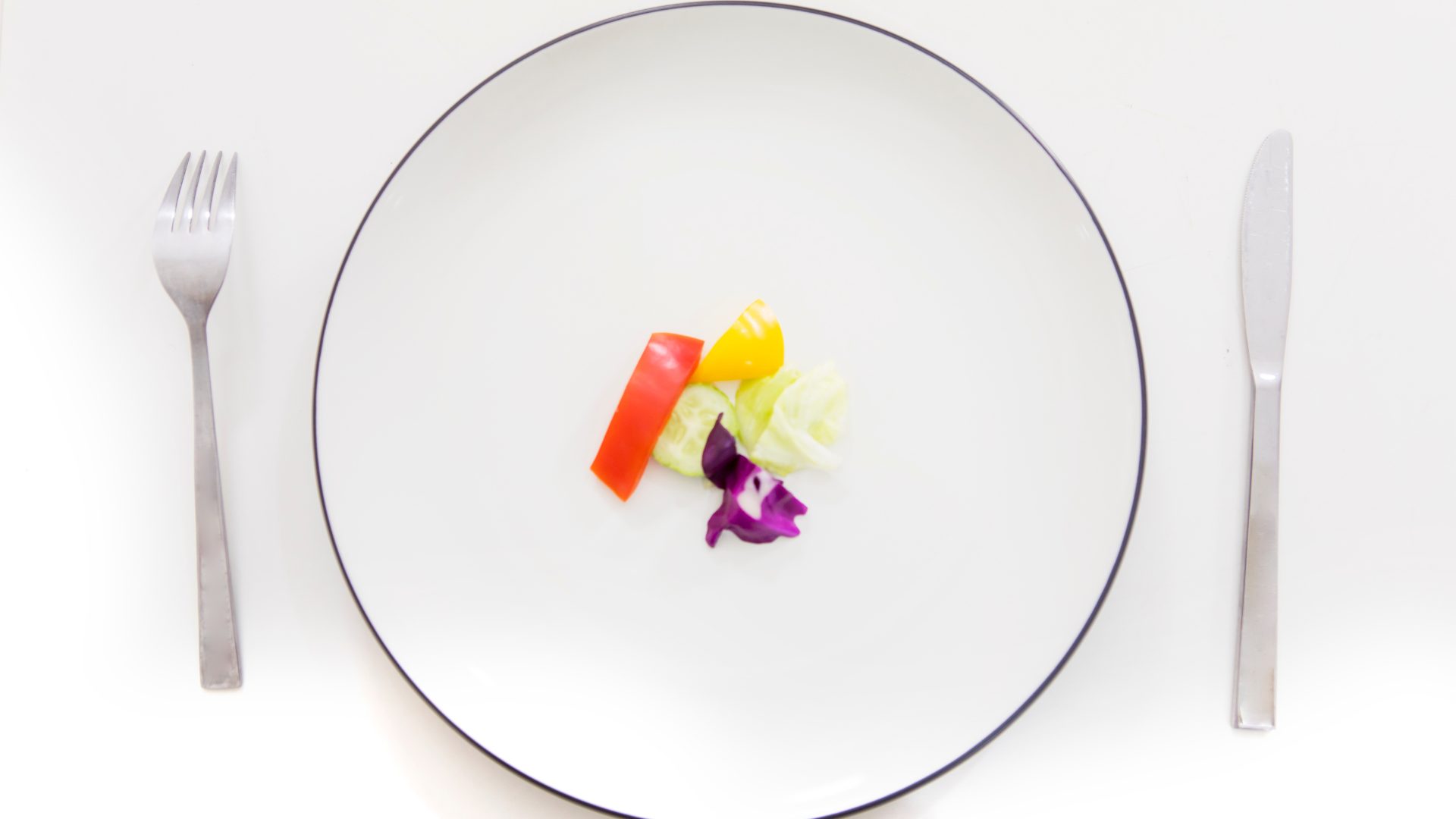
For people who stop using GLP-1 weight-loss drugs such as Ozempic, gaining the weight back might be the least of their concerns. According to a recent article by USA TODAY, those who quit using GLP-1s are at increased risk for heart attack, stroke or death.
The article looked at a study published in BMJ Medicine of 330,000 Veterans Affairs patients with Type 2 diabetes who took either a GLP-1 drug or another diabetes medication called sulfonylureas.
According to the study, those who took GLP-1 medications steadily over three years saw an 18% reduced risk for heart attacks and strokes. However, those who quit the medications for six months saw a slightly higher risk, and those who stopped for two years had saw their risk rise 22%.
According to the study, GLP-1 quit rates range from 36-81% within the first year, while another USA TODAY article stated that 65% of people without diabetes discontinued use within one year.

Not surprisingly, people who have Type 2 diabetes, as well as those with higher incomes and fewer side effects, are more likely to stay on GLP-1s.
One of the biggest reasons people quit taking GLP-1s is due to a lack of insurance – in which case the drugs typically cost more than $1,000 per month.
Nneoma Oparaji, MD, DipABLM, DABOM, would not advise the right patients against taking GLP-1 drugs.
“I advise my patients to use them intentionally, as it can be life-changing for the right patient if it’s approached as a long-term solution and not a quick fix,” Oparaji told The Food Institute.
Shirley Billigmeier, a weight-loss expert and founder of Innergetics, expressed concern about the path people are taking to lose weight. She feels that extra weight isn’t something to be tolerated, but also that drugs are not an ideal solution.
“The trend has always been to tell people when, what and how much to eat,” Billigmeier said. “The culture will go round and round telling people what and how much to eat, only to change it in a few years. It’s a cycle that will never end.
“This will never work long term, because whoever owns the choice owns the power.”
Emily Van Eck, MS, RDN, said that because of the side effects and cost, most people will stop taking the drugs after they’ve met a weight that they’re happy with or before. Doing this comes with major risks. Weight cycling, or losing and then gaining the same weight several times in one’s life, is associated with over a 50% increased risk of heart failure and nearly 30% increased risk of type 2 diabetes, sleep apnea, and metabolic liver disease, she told FI.
“I would advise people take very seriously their willingness to deal with long term side effects and complications of these medications. For the most part, yes, I do advise against them. That said, I believe that for people with blood sugar concerns and metabolic issues, that the lowest dose possible to help with their blood markers may be great for them,” Van Eck added.
“Take weight loss away as a goal, stop increasing the dose to obtain the most weight loss possible, and focus on what the drug was designed to do in the first place.”
The Food Institute Podcast
How does a trip to Brazil, a stint in the music industry, and an apprenticeship at a pizzeria all come together to form a new style of condiment that would take the world by storm? Mike Kurtz, founder of Mike’s Hot Honey, shares the story of his company’s founding, how the swicy trend is propelling his business, and how CPG partnerships continue to inspire the brand’s fans.