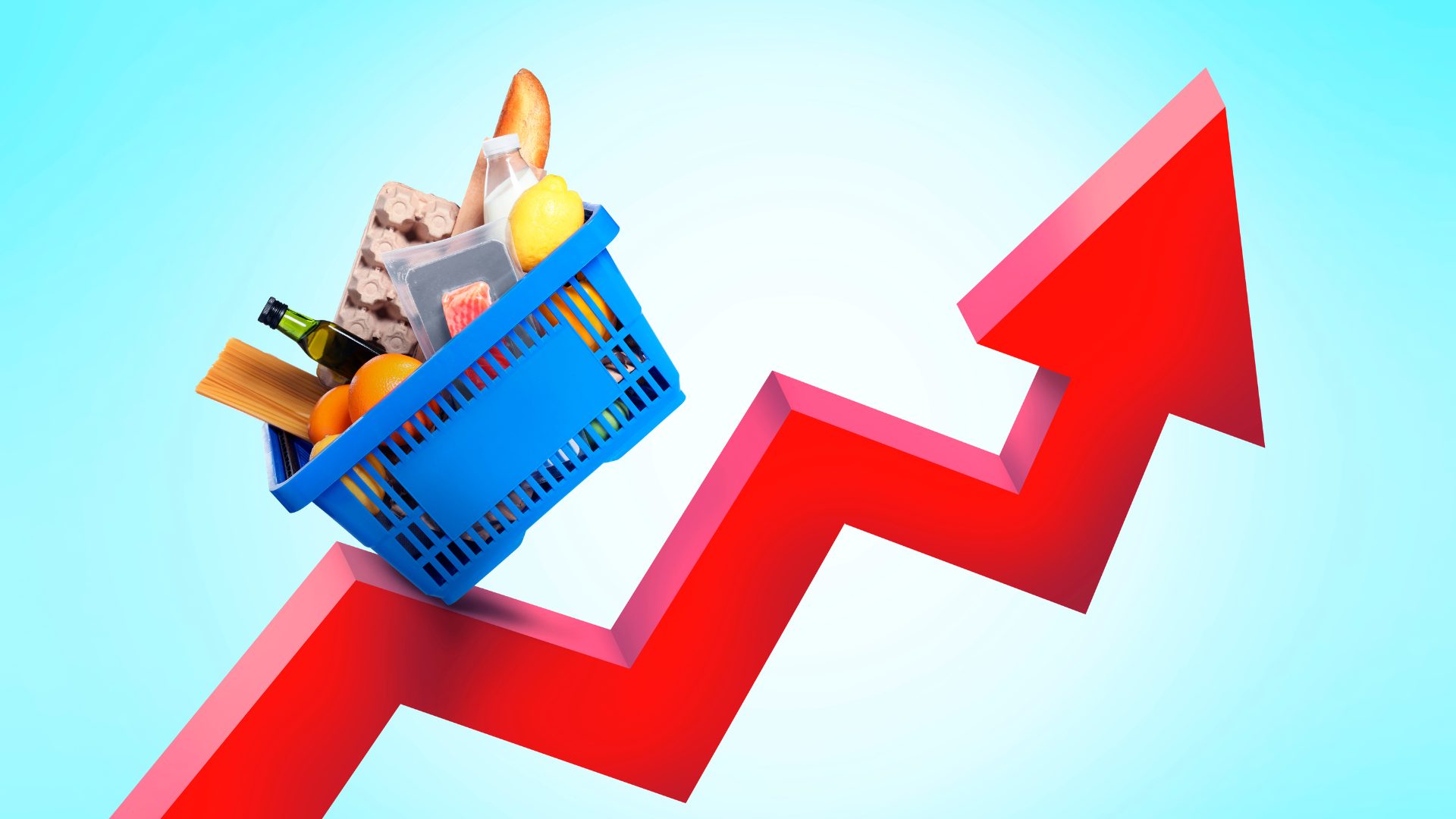
The lid may be coming off inflation in a few months as more companies decide they need to start passing on increasing costs to consumers, especially for those imported items subject to the Trump administration’s tariffs. McCormick & Co. is among the latest entities saying they have no other option but to turn to price hikes.
McCormick CEO Brendan M. Foley said in the company’s fourth quarter earnings statement that the company would do all it can to mitigate increasing costs due to “global trade dynamics.”
The statement said tariffs added $70 million in gross costs last year and are expected to add $50 million more this year. Foley described price hikes implemented in September as “surgical.”
McCormick is not alone. Spice Islands, owned by B&G Foods, also has increased prices.
McCormick’s move reflects sustained cost pressure across the food sector, particularly from tariffs and ingredient inflation.
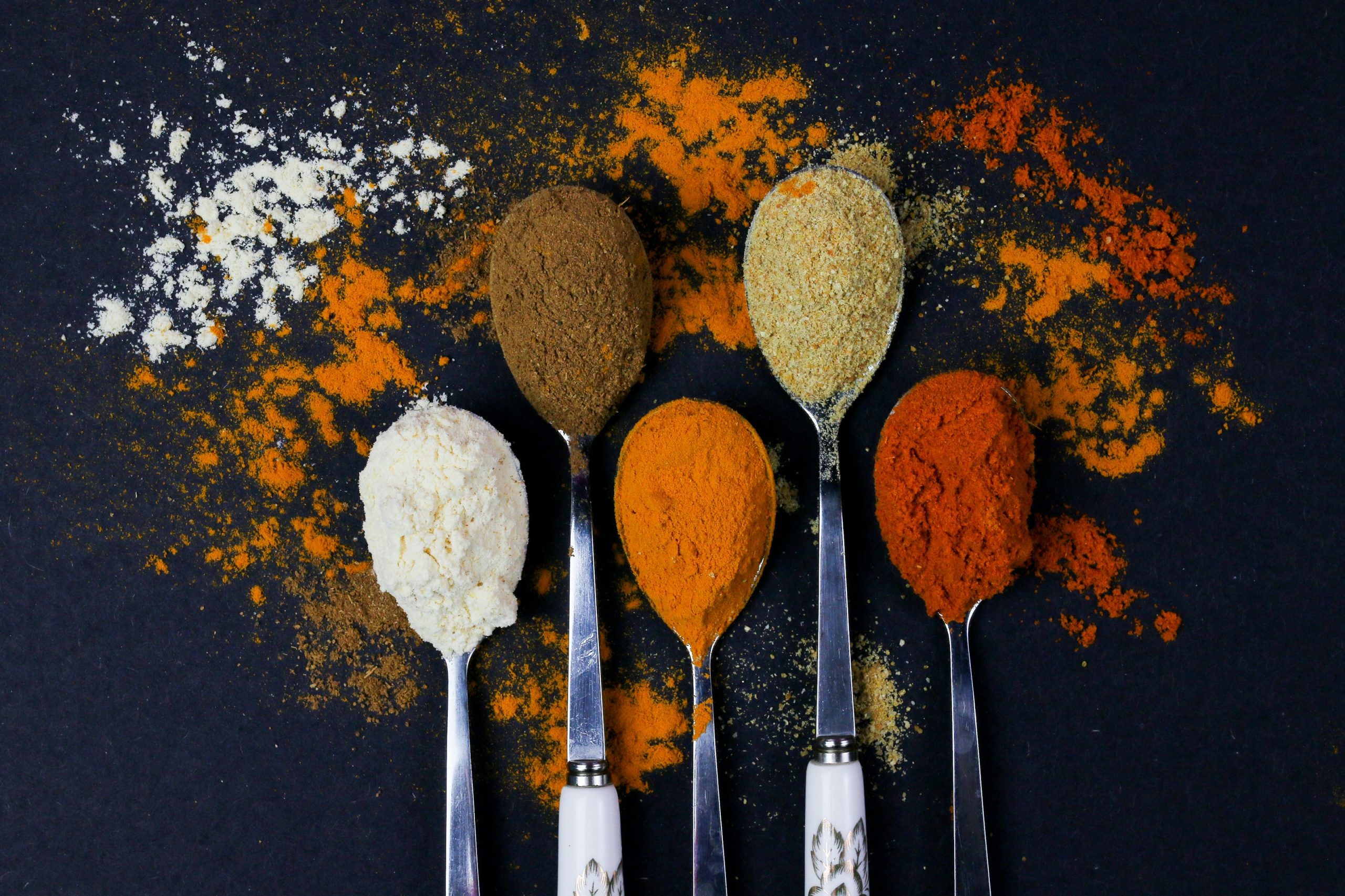
“Tariffs are hitting imported spices hardest, including black pepper, vanilla, cinnamon, nutmeg, cloves and table salt — categories the American Spice Trade Association has identified as facing significant pressure,” Rohit Tripathi, VP of industry strategy, manufacturing at RELEX Solutions, told The Food Institute.

“Many of these, especially vanilla and black pepper, have little to no scalable U.S. production, so higher duties on key origins like India, Madagascar, Vietnam and Mexico flow directly into costs and retail prices.”
Tripathi said other companies also are taking that approach, citing Hershey and Conagra, the former faced with increased prices for cocoa and the latter focusing on canned foods and oils.
A New Wave of Food Inflation
Black pepper prices are up recently, driven by tariffs, crop shortages and supply chain issues. Key spices have seen increases of roughly 43% since early 2023 while red chilli pepper is up more than 150% due to falling production
“…Until trade conditions stabilize, selective price actions across the industry are likely to continue,” Tripathi said.
Greg Zakowicz, ecommerce and adviser at Omnisend, predicted the pain would extend much further.
“I believe this is only the beginning. Consumers should expect to see price increases across most industries within the next few months, as the fallout from tariffs finally comes to fruition. Many brands held off through the holiday season to drive sales, and now the reality is that companies can no longer absorb those costs,” Zakowicz said.
Frank Kenney, VP of go-to-market strategy & enablement at Cleo, said disruption from port shutdowns, geopolitical crises and extreme weather events have become a baseline since the pandemic.
“This causes impacts to the consumer and long-term impacts on the brand. No one wants to be remembered as the brand that raised prices and hurt consumers,” Kenney said.
January’s food inflation rate was pegged at 2.9% over the past 12 months, with grocery prices up 2.1%.
Havard business Professor Alberto Cavallo told The Wall Street Journal the most affordable imported goods were up 2.3% since November while the Adobe Digital Price Index found the monthly increase posted in January by online companies was the largest in years.
UBS economist Alan Detmeister noted price increases at the start of the year were stronger than is typical, the result not only of tariffs but of supply chain problems and increased labor and health care costs.
Food for Thought Leadership
In this episode, The Food Institute sits down with William Grand, founder and CEO of NutriFusion, to examine the growing health crisis tied to ultra-processed foods—and what it will take to fix it.