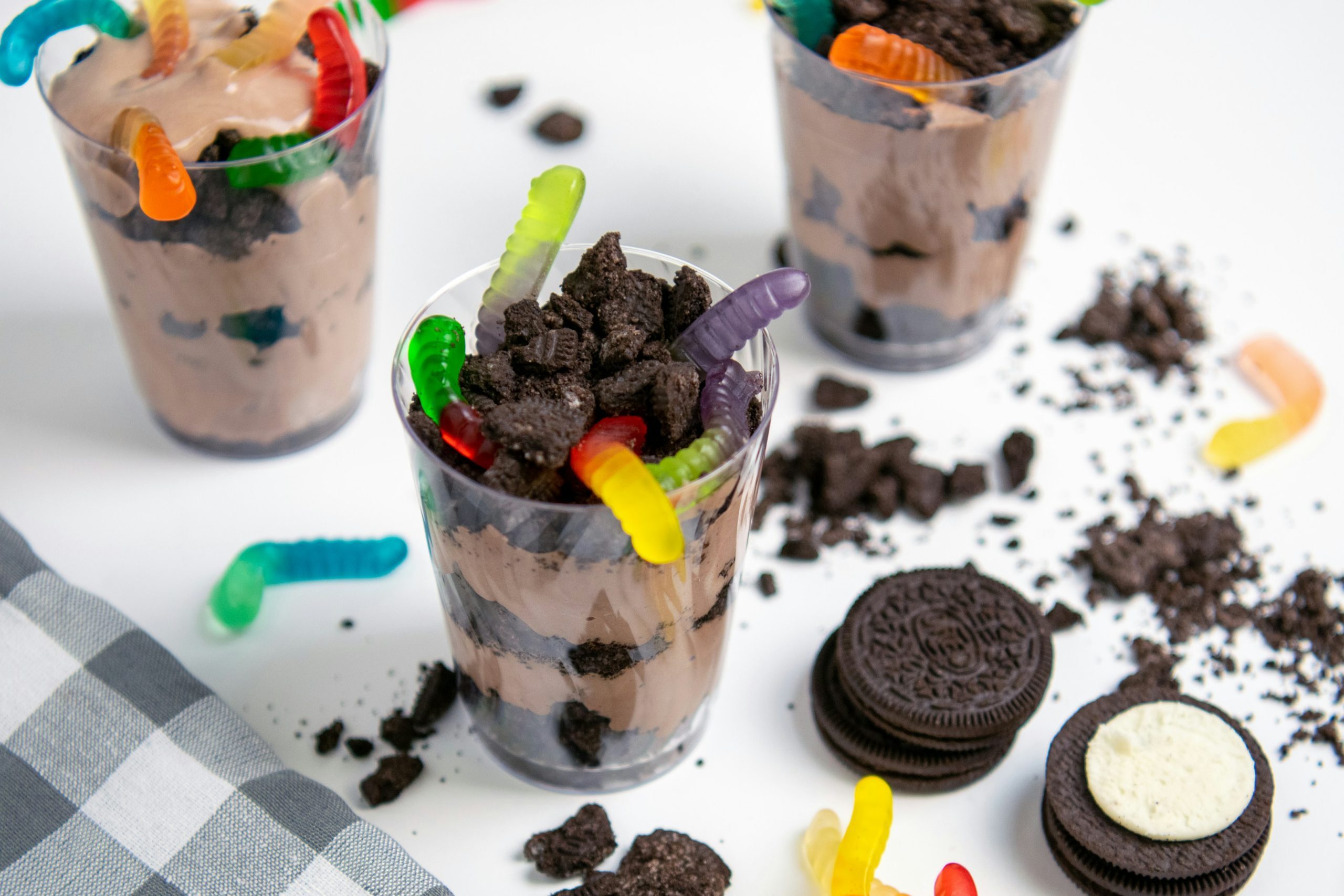
Despite rising prices for ingredients like sugar and cocoa, Americans didn’t stint where their sweet tooth was concerned last year, spending a record $55 billion on sweet treats, the National Confectioners Association reported in its annual State of Treating report.
“Americans today are making their purchase decisions with greater intention, and chocolate and candy continue to earn their place in the basket,” John Downs, association president and CEO, said in a statement.
Euromonitor predicts sales of chocolate, candy, gum and mints will hit $62.2 billion across all outlets by 2030, and Downs credited innovation with the rosy forecast. Chocolate sales alone are expected to reach $33 billion.
The report found that, despite the growing use of GLP-1 weight-loss drugs, 80% of consumers feel eating candy occasionally is fine.

Respondents admitted to eating two or three pieces of chocolate or other candy weekly, averaging 40 calories per serving.
The average consumer eats more than 8 pounds of chocolate a year, according to Statista.
The report found seasonal candy buys have returned to pre-pandemic levels, with Valentine’s Day, Easter, Halloween, and the winter holidays accounting for 63% of 2025 sales. Sweets also were gifted for Mother’s Day, Father’s Day and the Fourth of July.
There’s a generational gap, however. Boomers prefer chocolate – dark and milk – while Gen Z and millennials go for gummy, chewy and freeze-dried candies, the latter finding inspiration on TikTok while boomers discover new treats in stores.
And while Gen Z and millennials are enamored of retro releases, they’re also open to unexpected flavors, flavor combinations and textures. The report found 20% of those in Gen Z and millennials try something new every month.
“The confectionery industry consistently delivers products that consumers know and love while introducing new innovations that shape how people choose to enjoy and share treats. No matter the occasion, confectionery brings people together,” Downs said.
In 2025, chocolate accounted for $28.4 billion or 51.7% of candy sales while non-chocolate candy sales accounted for $22.5 billion or 40.9% of sales and gum accounted for $4.1 billion or 7.4% of sales.
“In 2025, 99.8% of households purchased confectionery at least once. Consumers bought treats a little less frequently but also switched between retail channels, pack sizes, types, and brands to stretch their confectionery dollar. This led to category unit and volume declines, especially for chocolate,” the report said.
The report found price was a driving factor with 90% of consumers saying they shopped with a list, turning to alternative brands or buying different sizes to economize.
“Consumers have been recalibrating their spending since the early pandemic years,” the report said, adding that spending now is back to pre-pandemic levels. “Consumers like to celebrate the seasons in style, with 82% wanting holiday-specific items with special packaging, shapes, and flavors. In 2025, seasonally coded items grew in dollars and volume, outperforming everyday items.”
The survey queried 1,585 consumers online and overlaid the findings with Circana retail data.
The Food Institute Podcast
his Episode is Sponsored by: CBIZ
While many food industry professionals were hoping that the Supreme Court ruling on tariffs would elucidate the current global trade environment, it appears that it may have added more uncertainty than before. CBIZ’s Lou Biscotti and Mark Baran, and former Customs expert Michael Contino, all join The Food Institute Podcast to provide clarity and actionable insights.