As the mercury rises in much of the U.S. and Mother Nature provides hints of spring, many consumers have personal health goals in mind, as they aim to fit into their new swimming suit, or just shed a few pounds following a long hibernation stretch from November to Valentine’s Day.
In that spirit, many grocery shoppers are currently focused on “making every bite and sip count,” according to Meena Sriram, product development & commercialization manager at Darigold.
“With spring being a time when consumers are typically gravitating towards a new start – and with GLP-1 use increasing – consumers are likely to purchase more protein-dense, smaller portion-sized packages,” Sriram told The Food Institute. “They may choose lighter and more hydrating produce, and they may focus on produce with strong functional positioning.”
In the months ahead, it appears shoppers will also continue to seek simple, minimally processed foods and traditional fats, gravitating toward shorter ingredient lists, a movement that UNFI tabbed a “back-to-basics approach to nourishment.”
UNFI also noted that the growth of private label products rolls on, spurred by innovation.
“Private brands, now found in roughly 90 percent of households, (are) fueling a wave of new product development,” UNFI wrote. “Private brands are driving innovation and loyalty as shoppers seek more value for every dollar” amid inflation.

Here’s a look at the top retail trends that industry experts envision for this spring and summer:
Perimeter Items Gain Ground
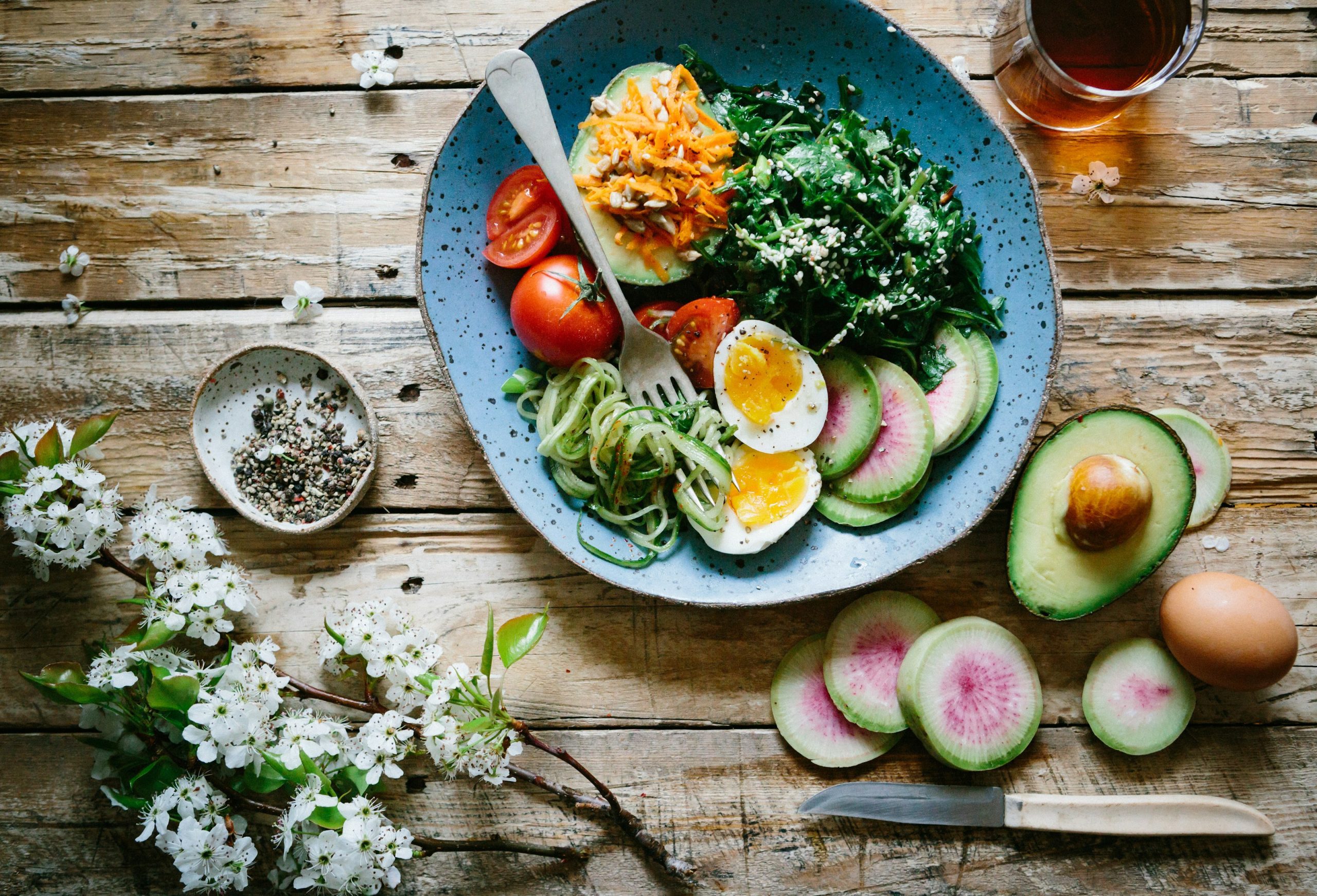
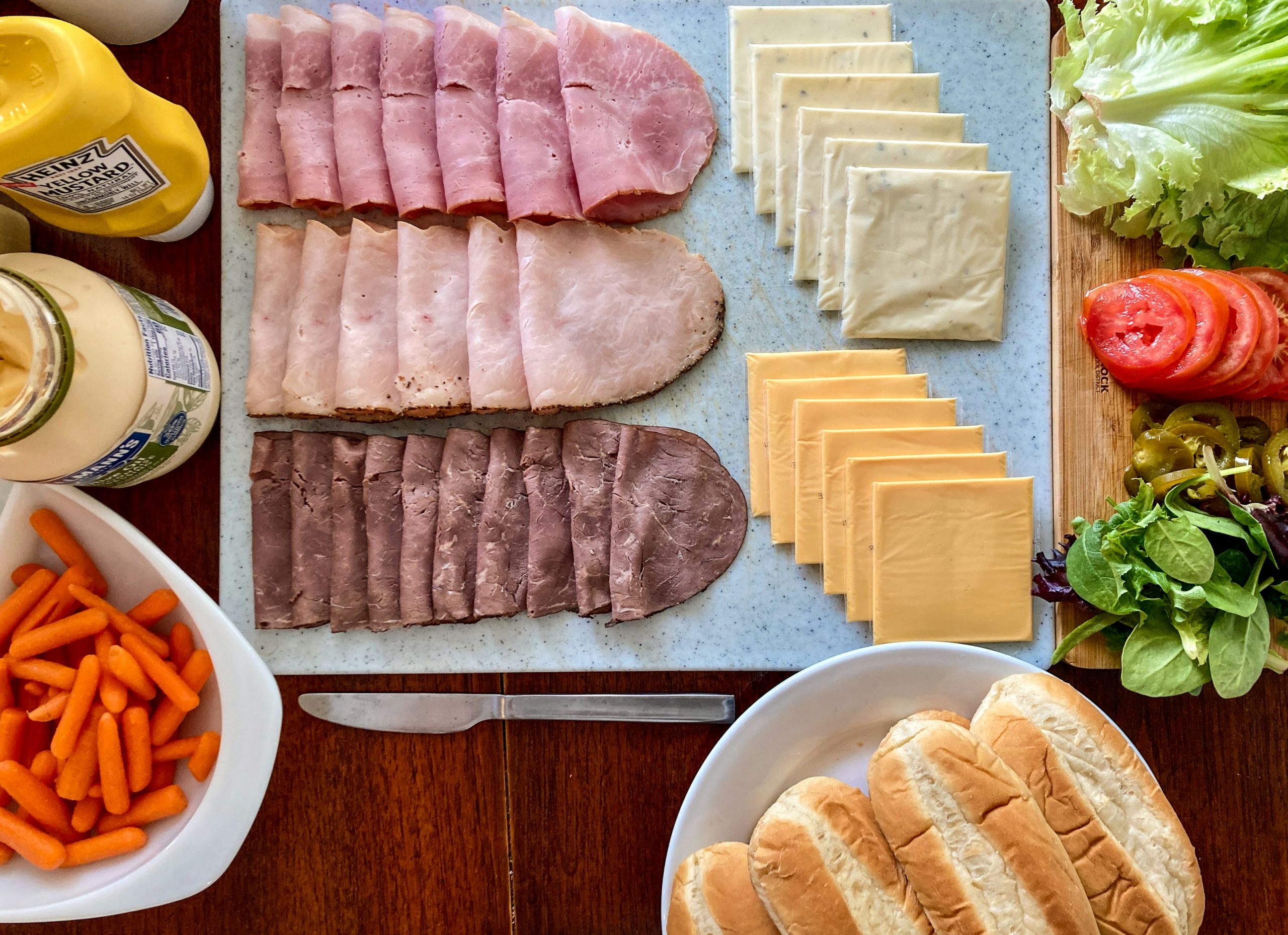
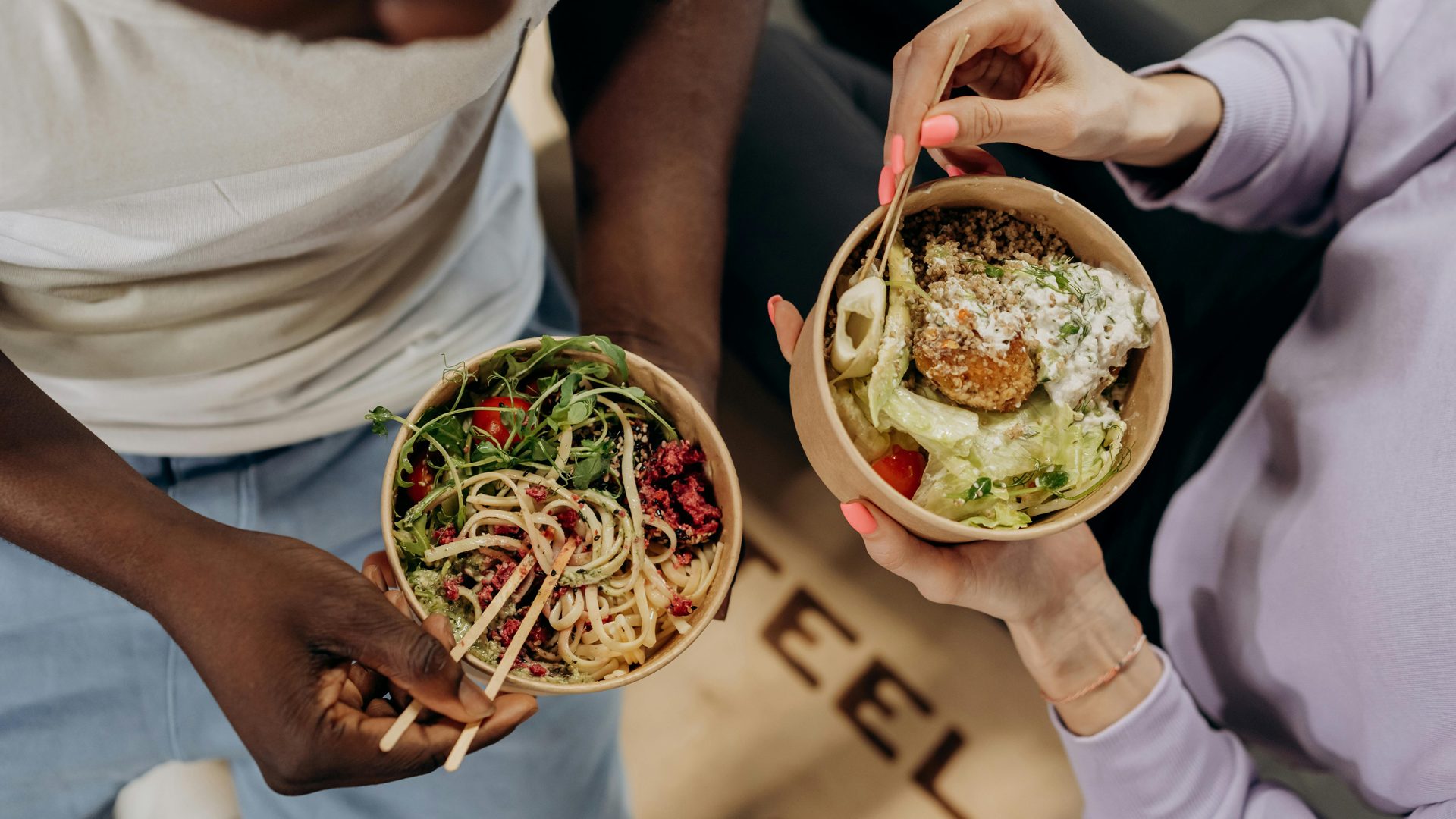
Due to the sudden ubiquity of weight-loss drugs, items found on the perimeter of grocery stores – like fresh vegetables, salad kits, and meat – are as popular as ever. Shoppers are displaying a clear interest in fresh, nutrient-dense options, especially as GLP-1s lessen their appetite.
In 2026, it appears likely that shoppers will continue to seek simple, minimally processed foods and traditional fats, gravitating toward shorter ingredient lists, a movement that UNFI tabbed a “back-to-basics approach to nourishment.”
GLP-1 drugs’ reach is already remaking grocers’ produce sections, noted Brandon Warren, chief growth officer at The Barcode Group.
“The vegetable snacking category is taking off, as retailers offer customers pre-cut, ready-to-eat options for on the run,” Warren said. “Likewise, we can see how retailers are adding pre-portioned fruit cups to their produce section. … It’s about making ease [a] priority.”
Protein Breaks Traditional Boundaries
While poultry, eggs, and meat are popular these days, consumers are also broadening their protein sources. As a result, retailers are seeing noteworthy growth in protein shakes, powders, and bars.
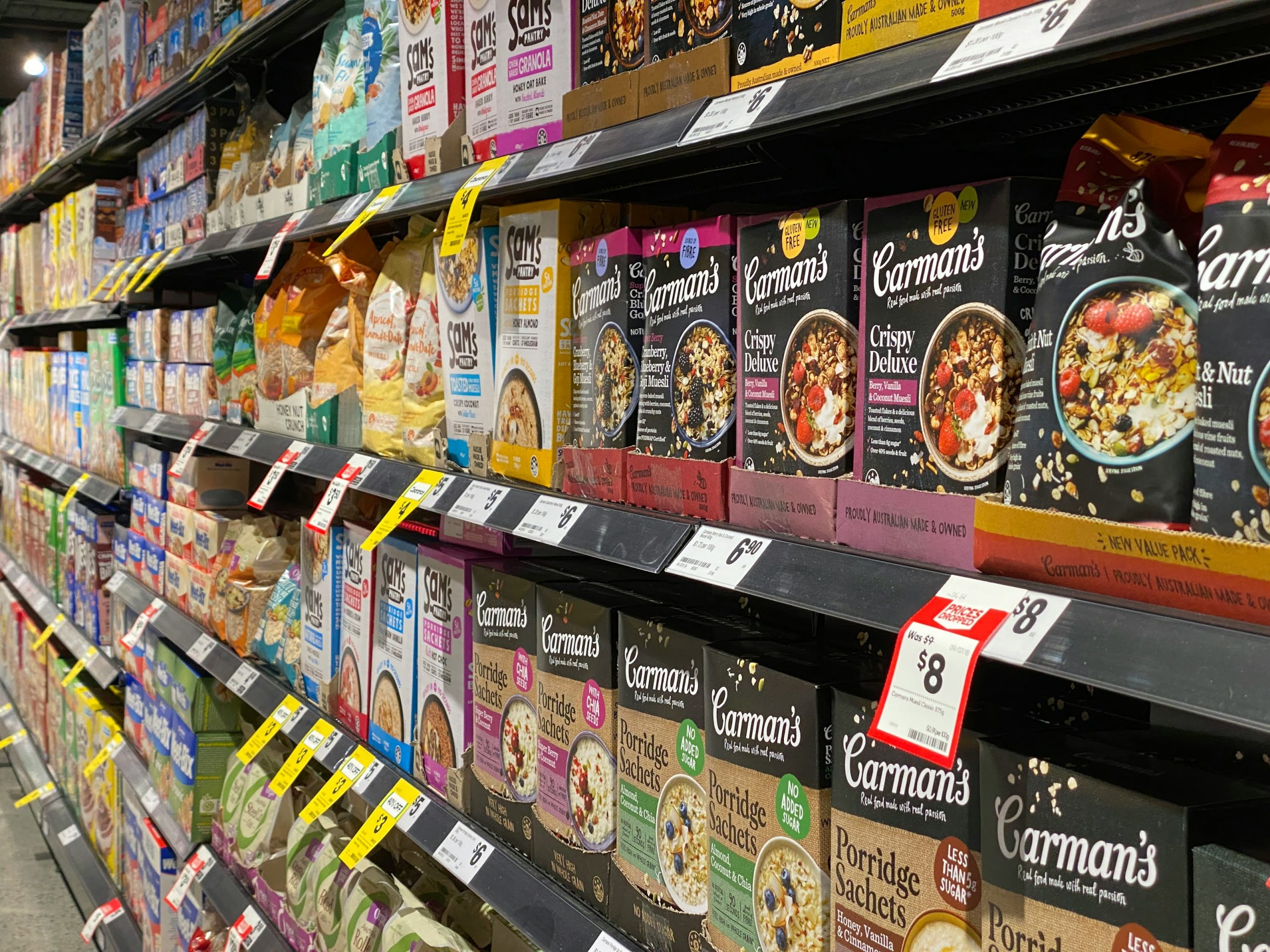
Thus, we can expect to see more products like frozen protein waffles and protein cereal at grocers.
“Ready-to-drink shakes, high-protein yogurt, cleaner bars, and fortified snacks are everywhere,” said Dr. Matt Hasan, founder of The Humanist Movement.
“Convenience still wins. If it’s high protein but requires effort, it won’t move. If it’s grab-and-go and aligns with fitness goals, it will.”
Shoppers Are Going with Their Gut
Gut health has become a sleeper retail category in 2026.
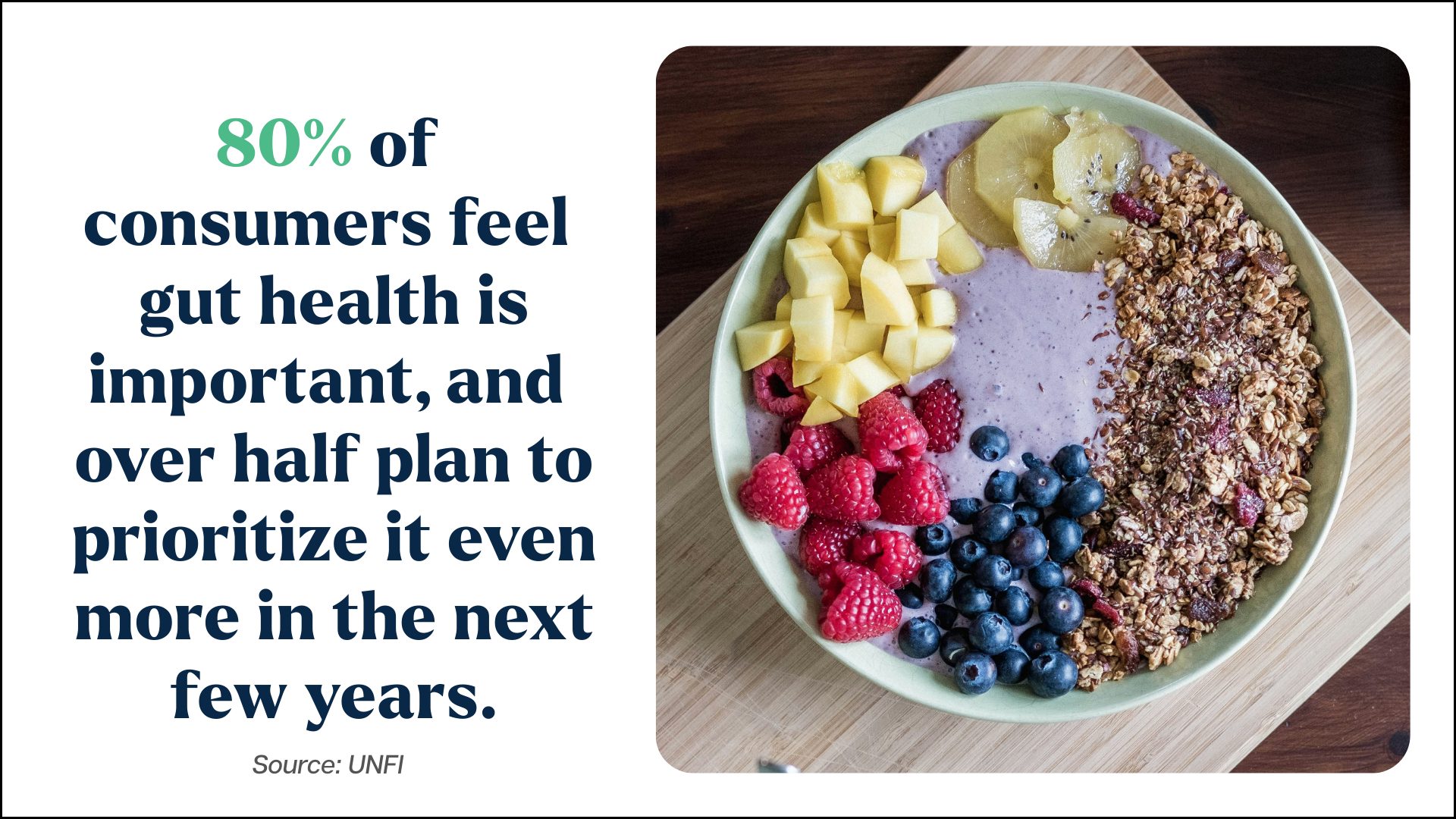
According to UNFI, more than 80% of consumers feel gut health is important, and over half plan to prioritize it even more in the next few years. That puts fiber-rich products on a similar trajectory to protein-enhanced foods.
“Gut health and fiber are no longer fringe,” Dr. Hasan noted. “Prebiotic sodas, fermented foods, digestive-friendly snacks – these are creeping into mainstream shelf space.
“Warmer months usually amplify the ‘light and healthy’ mindset, so I expect that to continue into spring and summer,” he added.