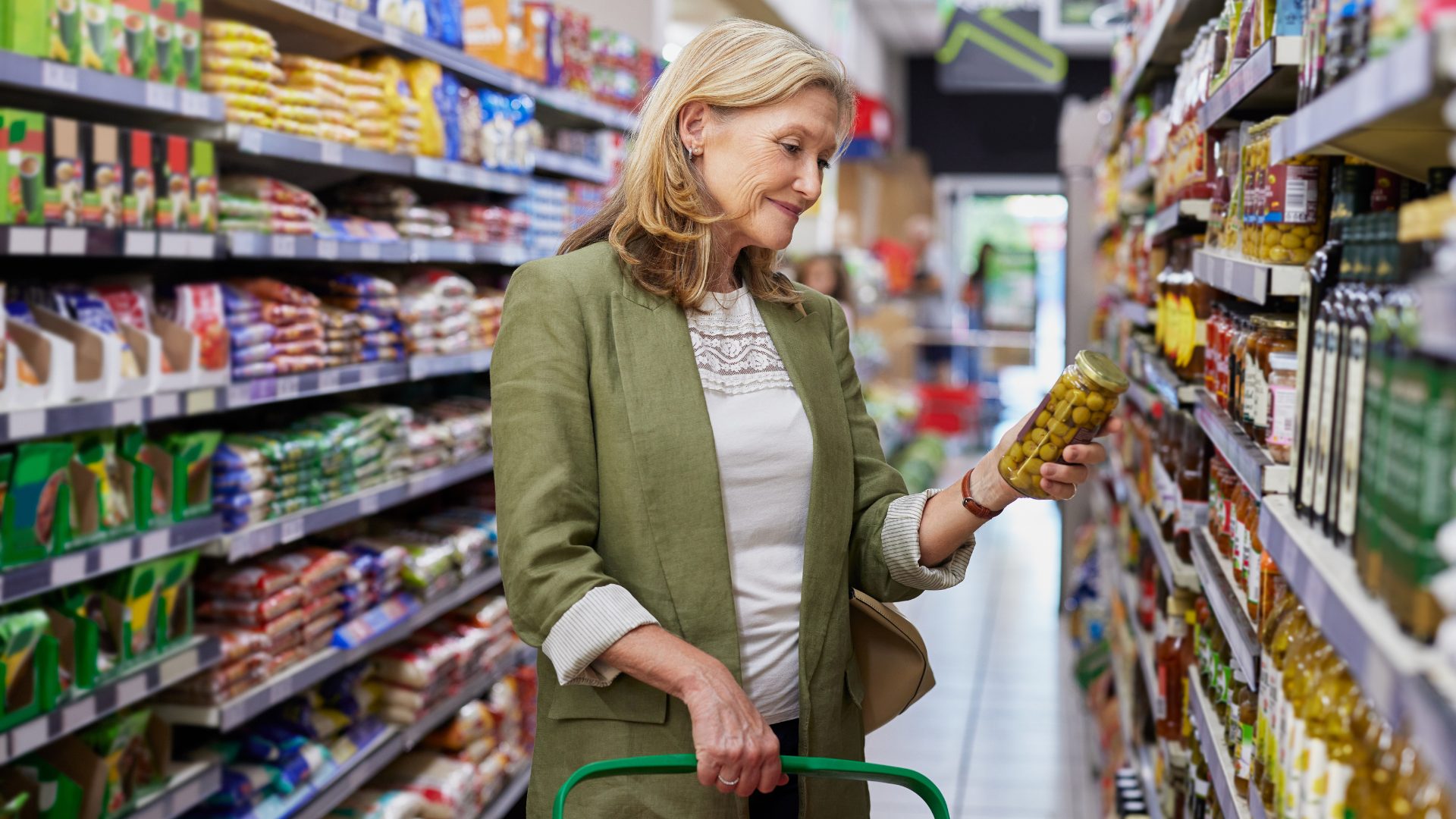
At a time when consumer loyalty seems to be at an all-time low, independent grocers are benefitting from a cash-strapped shopper base that increasingly believes they have consumer’s best interests in mind.
Roughly 68% of shoppers are struggling to afford groceries and more than half shop explicitly based on discounts and groceries, according to a report from Swiftly. A separate report from The Food Industry Association (FMI) corroborates these findings, adding that shoppers’ overall 2025 outlook has hit a year-long low.
Despite this, however, 70% of consumers feel that grocers have their back, offering opportunities to stay on budget. Swiftly’s findings go deeper, noting that nearly 80% trust their neighborhood grocers over big box retailers.
“This year’s findings highlight a defining moment for regional and independent grocers,” said Henry Kim, CEO of Swiftly, in a statement.
“Shoppers are telling us two things loud and clear: they trust their local stores more than national giants, and they expect digital convenience, personalized value, and real-time savings.”
For independents, margin is being threatened at all angles, including discounters, hypermarkets, and national grocery chains. Year-over-year visit growth from discounters, for example, outpaced grocery in November at 7.5% compared to 6.3%. These stores offer a wide range of private label offerings and extreme discount opportunities that traditional grocery simply cannot compete with. The solution: offer creative ways that demonstrate that independents have consumers’ best interests at heart.
The key to winning in 2026 will be to double down on this trust.
Pushing the Advantage
At a recent conference, Giant Food head of loyalty Ryan Draude noted that the retailer’s promotion strategy hinges on offering discounts on nutritious foods that communicate the retailer’s interest in consumer personal health and wellness goals.
Independents are well equipped to follow suit: being smaller, these businesses often have more freedom to position products to fit their local community and develop highly specialized end cap or in-store promotion strategies.
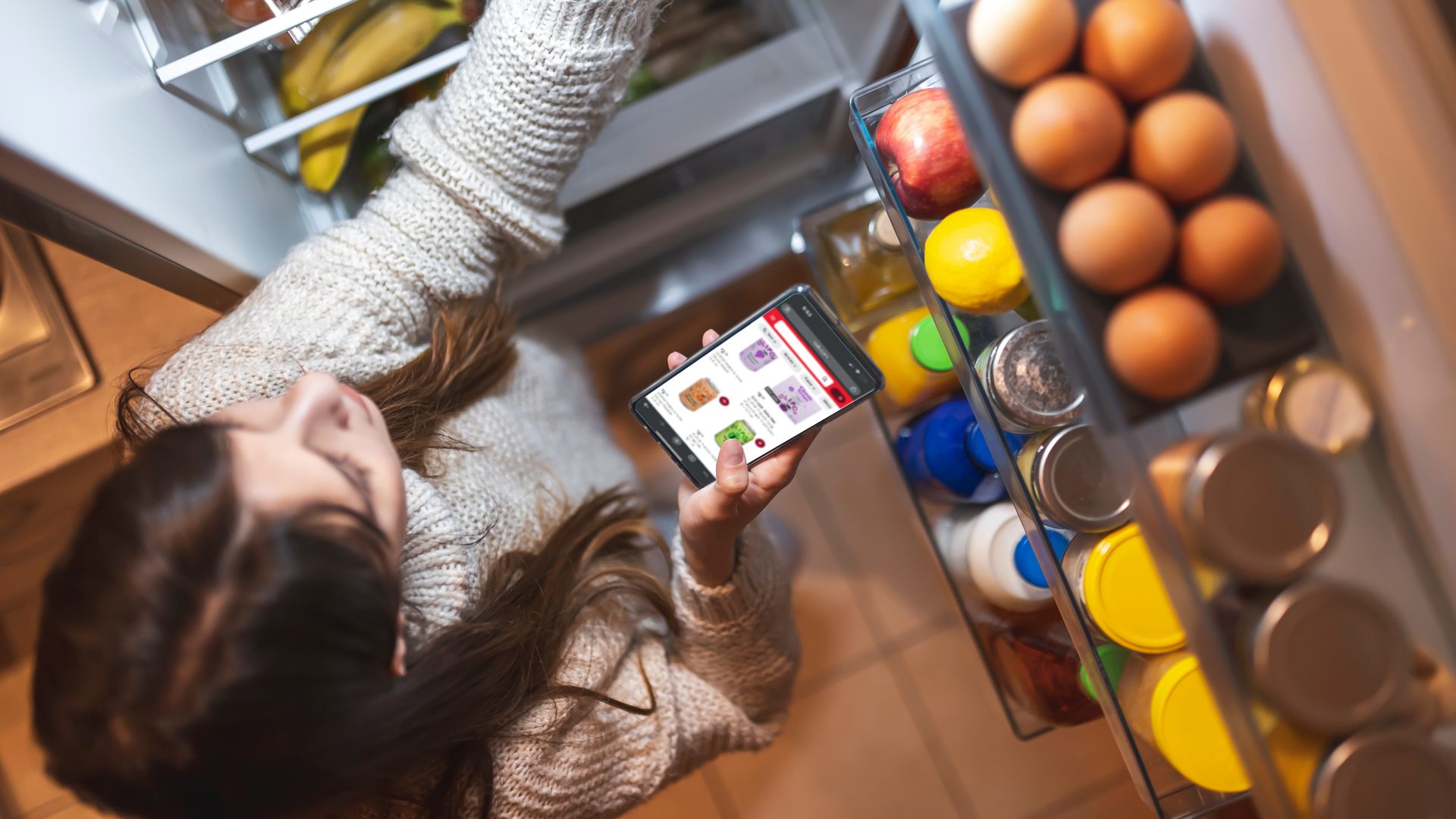
Moreover, these businesses can deliver on consumer’s needs for cost-savings through app integrations. This separates them from discounters by still being able to offer the familiar and beloved brands these shoppers already purchase. Moreover, 42% of shoppers would shop more frequently if a store’s value proposition improved, and 38% will feel comfortable switching brands if a promotion helps them save, giving businesses the freedom to highlight an array of offerings across categories.
The following are additional app-based insights from the report:
- 48% would use more digital coupons and cashback offers
- 46% would download a retailer app to find the best offers
- 43% would join a grocery loyalty program
A bonus would also be to play into the convenience of digital shopping methods, either through adding or innovating on grocery pickup efficiency or offering grocery delivery through third-party delivery services.
Nearly 70% of shoppers rely on loyalty cards to save money, and more than 33% use retailer mobile apps on a weekly basis, according to Swiftly, highlighting how important these tools are for businesses to maintain foot traffic.
“Today’s shoppers expect savings to be simple, intuitive, and highly personalized across mobile, web, loyalty, and in-store touchpoints. Technology is the infrastructure that enables grocers to honor that trust while delivering value at scale,” said Sean Turner, Swiftly CTO, in a statement.
Food for Thought Leadership
This Episode is Sponsored by: Koelnmesse
Snacking in the U.S. has been on the rise for many years, but is this a global phenomenon? Sabine Schommer, Director, ISM, and Guido Hentschke, Director, ProSweets Cologne and ISM Ingredients, explore European and global snacking trends, and how the trio of ISM, ISM Ingredients, and ProSweets Cologne serve as a meeting place for the global snacking industry.