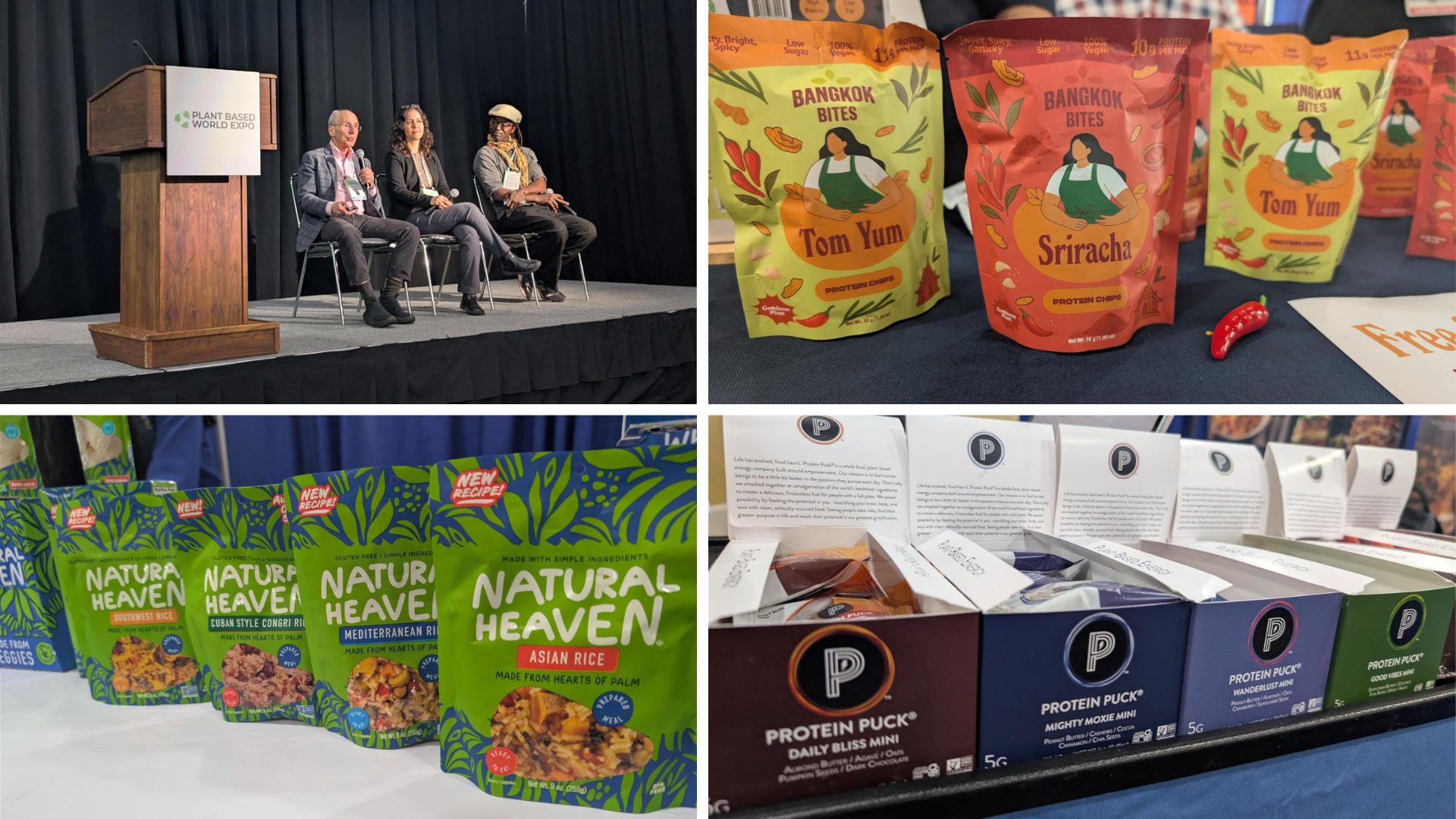
The constant refrain at New York City’s recent Plant Based World Expo 2025 hinged on the business acumen of today’s plant-based stakeholders to leverage their position and foster the next generation of growth for the sector.
“The future of plant-based is up to us,” said Joseph Saine, Impossible Foods’ director of sales, in a keynote presentation with SPINS’ Angela Flatland.
“We must decide how we present products to the consumer.”
Flatland agreed, adding that it is important to position one’s assortment against the tenets of plant-based foods’ mission.
“Plant-based values are that it’s good for health, animals, people, and the planet. These will never go away,” said Flatland.
The plant-based sector has faced headwinds in recent years after sustaining a boom between 2015 and 2022. Then, it hit a wall: clean label concerns, long R&D lead times, textural and taste dissatisfaction, and relatively higher prices dissuaded many would-be converts.
Now, however, Flatland and Saine agree that 2026 will be an inflection point for the industry and a key bellwether for future growth. But stakeholders need to work together to uplift the industry.
Yes, And?
Taking a lesson from improv comedy, the plant-based segment needs to market with a “yes, and” approach — “animal-free” is table stakes, so brands must offer a deeper value proposition to resonate with vegans, vegetarians, and flexitarians.
Sustainability and better-for-you claims are driving a majority of today’s growth. SPINS data found that plant-based foods labeled organic led to +18% dollar growth year over year and a +3% dollar share of the market. This compares to the -3% plant-based dollar decline across total store sales.
Fair trade labeled plant-based items found +7% dollar growth over the period, and certifications such as Regenerative Organic (+14% dollar share growth), Glyphosate Residue Free (+11%), and Upcycled Certified (+4%) all outpaced the total store dollar growth for these certifications (cumulatively, 3%).
New SKUs offering innovative flavors, formats, and value claims are also behind much of the industry’s growth. Some key areas include:
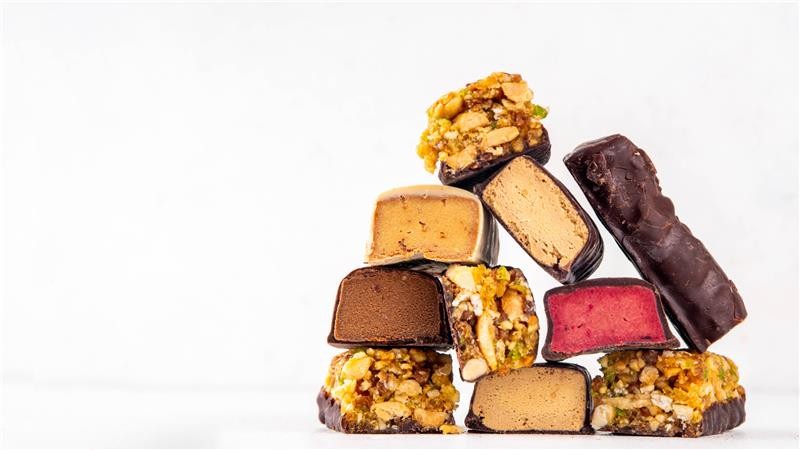
- Wellness and snack bars, up 13% year over year, with 11% of that growth coming from innovation
- Plant-based yogurt, up 7% year over year, with 6% of that growth coming from innovation
- Refrigerated juices, shakes, and smoothies, up 24% year over year, with 24% of that growth coming from innovation
Many of these drivers come from macronutrient support — note that 25% of all new-to-market products contained a high-protein claim; however, international positioning also led to explosive multiples.
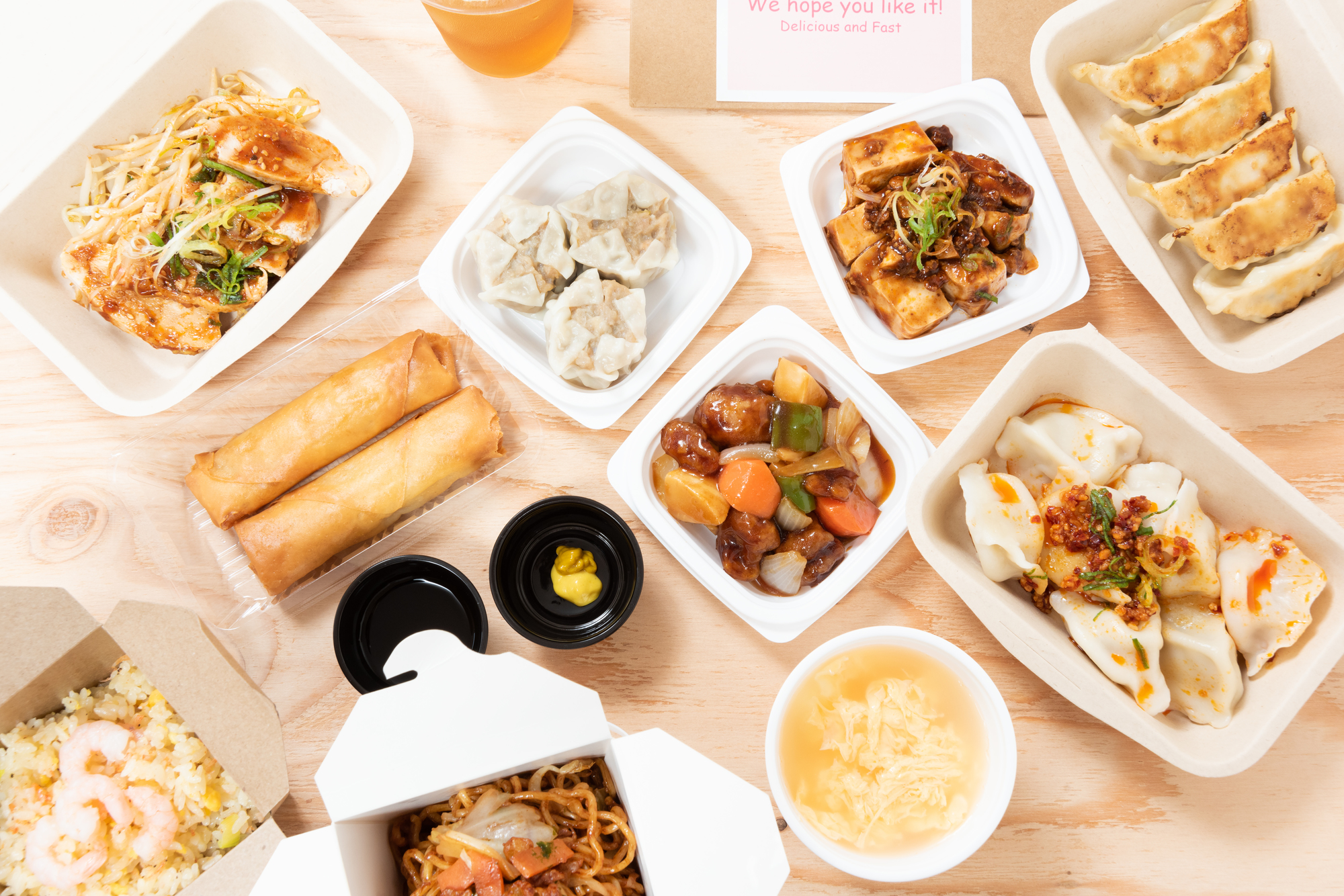
Plant-based products with Asian flavor profiles led to 22% growth. In particular, East Asian inspiration from countries such as Korea, China, and Japan was behind much of these products’ success. Hawaiian plant-based cuisine and Middle Eastern offerings also helped brands reach a larger market share, especially relative to the total store plant-based market.
The Brightest Hope: Natural Retailers
Where conventional store sales may have stagnated for the plant-based community, natural retailers are consistently outperforming the market in terms of plant-based interest, according to SPINS data.
Flatland noted that dollar sales for plant-based products in the natural channel are up 2.6% year over year, while they’re down 3.6% in conventional retail.
Moreover, unit sales are also slightly up, at 0.1%. This outsized growth was attributed to natural retailers’ investment in shelf placement and assortment for these offerings, as well as devoting dedicated shelf space for innovation. Moreover, these shoppers tend to be less price-sensitive, as evidenced by the gap between dollar and unit growth.
During a separate event about plant-based nomenclature on packaging, Liz Dee, CEO of Edward & Sons Trading Company, explained that the natural channel has been crucial to the company’s success.
“Natural foods will take a chance on our plant-based products that conventional grocers won’t, then we can get that high-quality data for [conversations with] traditional channels,” said Dee.
“You used to not need a data-driven story, but now you do.”
Emerging and innovative CPGs can use shelf placement at natural channels as a proof of concept and a way to show conventional retailers that the data shows they aren’t taking a chance on the plant-based segment. Rather, they can look to these offerings to better meet the needs of modern consumers.
Food for Thought Leadership
In this episode of Food for Thought Leadership, Food Institute VP of content and client relationships Chris Campbell sits down with Barry Thomas, senior thought leader at Kantar, to unpack the rapid rise of agentic AI — a new class of AI systems that don’t just generate information but take action on behalf of the user.