U.S. online grocery sales grew 29% year-over-year in November, reaching $12.3 billion according to the latest data from Brick Meets Click. The segment’s growth isn’t stopping, but the forces driving its success are changing.

Behind this growth is a cognitive shift in how users interact with digital grocery channels. Thanks to improvements to user experience, loyalty, accessibility, and convenience, online grocery shopping has become a viable method of grocery shopping with new opportunities to meet the consumer where they are.
“eGrocery is evolving from just a convenient option to the preferred way to get groceries for many,” said David Bishop, partner at Brick Meets Click.
One clear growth factor can be attributed to the growth in repeat purchase frequency. “Super users” are upping their interactions with the online channel, even as monthly active user growth begins to wane. The core demographic, those 30-44 years old, upped their purchase frequency by 20%, outpacing average monthly orders in November.
Moreover, these shoppers are leveraging a combination of delivery, pickup, and ship-to-home, rather than simply sticking to one method, according to the report.
Behind the scenes, however, there are several other factors at play driving online grocery usage.
Let’s dive into some of the changes retailers are making now to facilitate growth in 2026 and beyond.

Product Mix Reset: Bevvy of Beverages
Retailer investment in beverage portfolios is facilitating growth in online and in-store grocery sales.
The pandemic-era “emotional support beverage” TikTok trend, particularly popular among Millennials, has reached maturity. As a result, beverage innovations make them a permissible indulgence with a “functional” component, whether that be a non-alcoholic social beverage or health support.
Recently, online better-for-you grocer Thrive Market announced a major investment in the non-alcoholic beverage category by launching on the platform with more than 100 SKUs in anticipation of “Dry January” while also nixing its alcohol arm. The retailer noted the non-alcohol category is projected to reach $5 billion by 2028.
“This move is a reflection of where people are today. Drinking rates are at their lowest point in nearly nine decades,” said Nick Green, Thrive Market CEO, in a statement. “Walking away from alcohol and launching non-alcoholic alternatives reflects our commitment to putting members first.”
The move is also strategic: alcohol delivery is famously difficult, with retailers having to deal with a patchwork of state laws and regulations that waste time and energy. Thrive admitted that supply chain difficulties were limiting access of the alcohol delivery endeavor.
Late last year, Walmart debuted the modern soda vertical, filled with offerings such as Olipop, Poppi, and Zevia, and inspiring several other grocery leaders to follow suit. It’s currently a $1.8 billion category, with 83% year-over-year dollar sales growth as of May, according to Circana.
Lastly, other conventional functional beverages, such as kombucha, protein shakes, and juices, continue to experience as much as double-digit growth in grocery. A recent report from Numerator found that GLP-1 users, in particular, are over-indexing in protein shake sales, buying these products at a rate 25% higher than the average consumer.
These beverage portfolios evidence a promising margin of grocery delivery sales in 2026.
Agentic AI
Technology advancements that leverage AI are helping to improve the online grocery experience with more efficient basket creation and item discovery processes.
“Agentic AI” has become the industry buzzword for these advancements, and, in 2026, it will find its way onto more digital platforms. Tools, such as Walmart’s Sparky goes beyond the typical processes of generative AI tools such as ChatGPT to work with consumers to build tailored grocery carts.
“Generative AI gives you an answer… Agentic AI takes action,” Barry Thomas, senior thought leader at Kantar, told FI in a recent podcast.
Other retailers are following in Walmart’s footsteps. Earlier this month, for example, Albertsons launched a shopping assistant named Albertsons AI across its banner locations. The goal of the technology advancement is to reduce the grocery shopping time from a 46-minute average to four minutes.
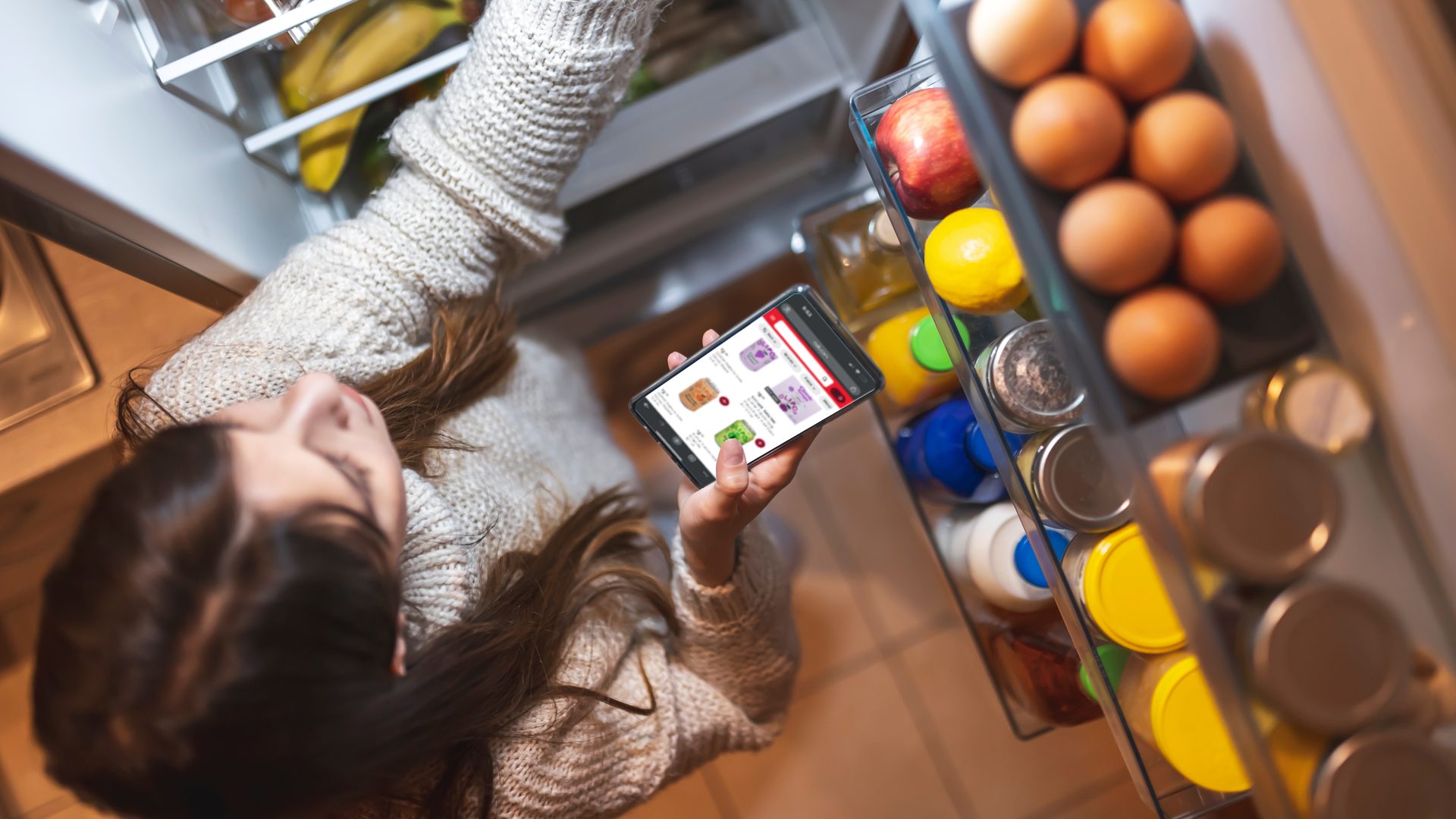
Some applications of the service include a rapid restock of weekly essentials, meal planning solutions, recipe ideas for what is already in the fridge or pantry, and help with event planning. Additionally, the tool notes that it can convert written grocery lists directly into a filled cart.
The technology is here, and more retailers will need to offer these advancements to compete for online grocery share.
Speed, Speed, Speed
A major factor in consumers choosing grocery delivery is its convenience. If groceries had to be ordered days in advance, likely few would go through with these options. Long lead times fare especially poorly for fresh produce.
This has meant that retailers must invest heavily in speedy grocery solutions. Most major platforms now offer same-day and next-day delivery in some respects. The next phase will be in making those services better, while getting even faster.
In an exclusive with The Wall Street Journal, chief supply chain and logistics officer Gretchen McCarthy said that innovations to how orders are fulfilled in stores endeavor to improve all e-commerce engagement methods, with a special focus on the ship-to-home method.
Target’s decision allows it to better compete with Walmart and Amazon, the e-commerce leaders; however, simultaneously, Amazon has begun ultra-fast delivery pilots in Seattle and Philadelphia, promising grocery delivery in 30 minutes or less.
Speedy delivery is likely where online grocery demand will go, as consumers continue to prioritize convenience and speed in their food delivery orders (Instacart, Grubhub, Uber Eats, and DoorDash inclusive). Uber recently noted that a surprising 80% of retail consumers expect same-day delivery at checkout, and that 68% of customers feel shorter delivery windows are the single largest determining factor for placing an online order.
For small and independent online retailers, Uber also recently partnered with Shopify to bring one-hour, same-day, and scheduled delivery e-commerce purchase capabilities to Shopify retailers across the U.S., Canada, and France.
As more merchants bring quick and efficient e-commerce capabilities to their platforms, the online grocery segment will continue to grow well into 2026.