Upside recently released its Consumer Spend Report 2025, which took a look at more than 10 billion transactions and 11,000 survey responses to find out how the modern consumer is spending money. The findings led to Upside coining a new term – the “uncommitted customer.”
In other words, modern consumers often can’t – or refuse to – commit. When consumers search for restaurants, grocers, or brands these days, they tend to have a wandering eye, as they search for the best value and experiences.
“Over the last several years, consumers have had to navigate intensified market pressures like lingering price fatigue, inflationary cost increases, declining job openings, and tariff uncertainty. In response, they changed the way they spend,” Alex Kinnier, CEO of Upside, noted in the report.
“The uncommitted customer,” the CEO explained, “are shoppers who prioritize their own needs over a retailer’s brand. While this behavior isn’t new, by 2024 it had become the norm for the majority of consumers nationwide.”
Almost half of the customers surveyed (49%) believe that the economy is getting worse.
Due to these rising concerns regarding prices, more consumers are finding ways to cut back, resulting in less loyalty.

The 2025 Grocery Shopper
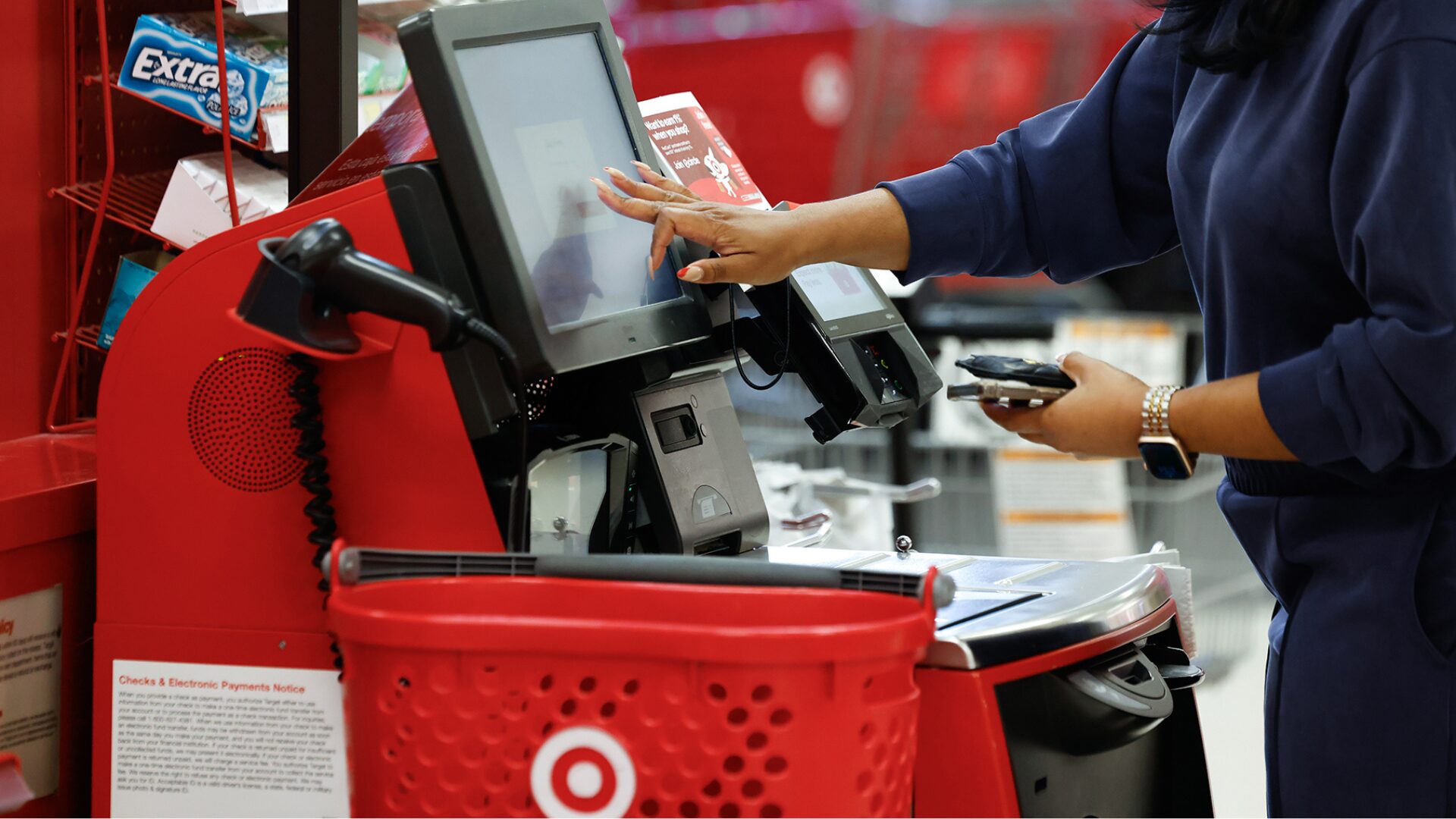
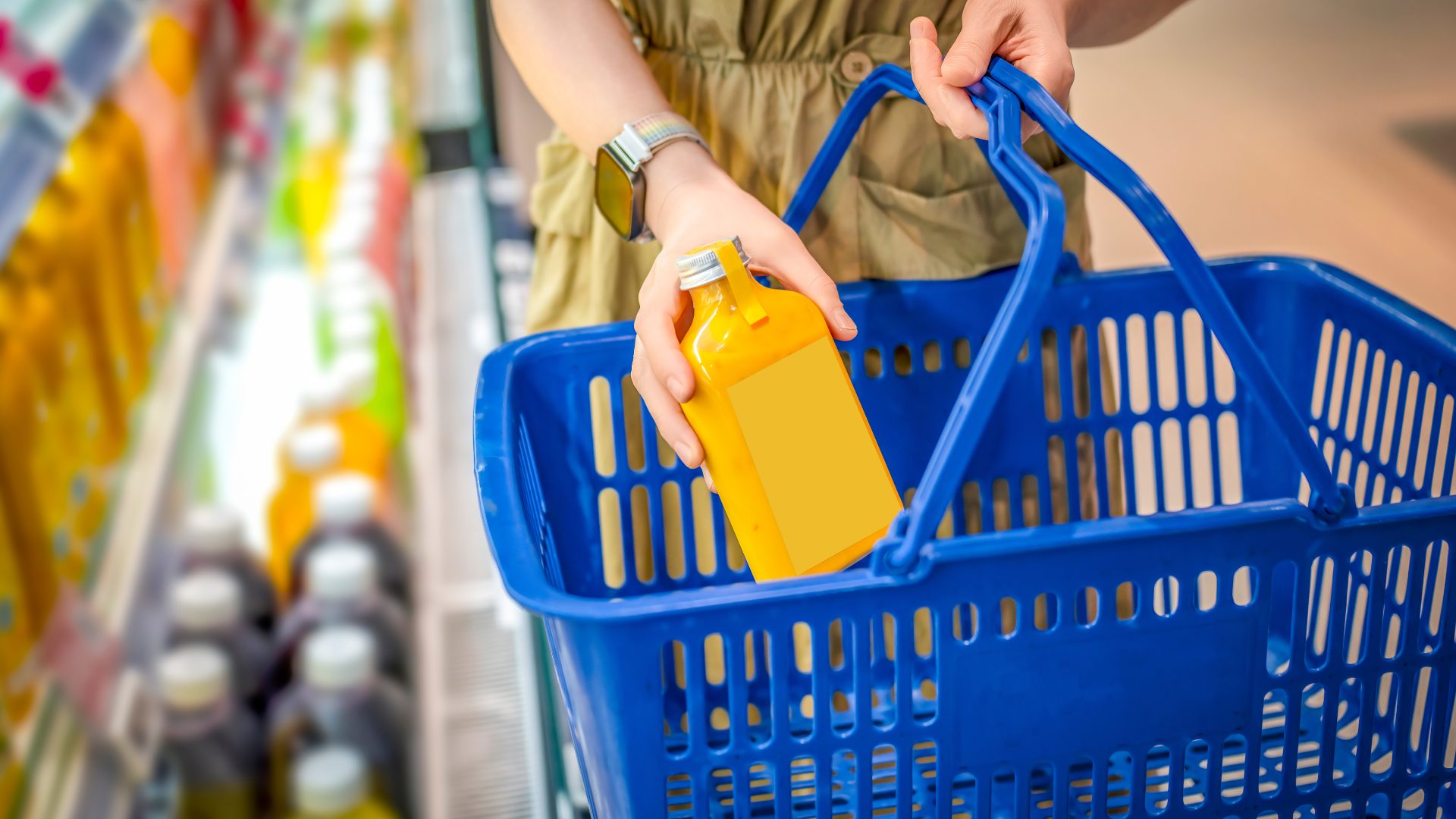
Today’s grocery shopper visits more locations, compares value and shifts spending based on a number of factors including deals, convenience, and budget. When it comes to groceries, the top factors for selecting where they shop is, in order, lowest price items in stock and discounts and coupons.
Upside found that 60% of grocery customers compare prices before selecting where they’ll purchase an item.
The Modern Restaurant-Goer
Upside found that, in foodservice, the top factors were taste of food, lower prices and higher-quality ingredients. Restaurant visitors were less likely to compare prices before deciding where to dine, with 37% reporting that they do.
According to the report, today’s customer now visits four different restaurants per month, which is a 3% increase year-over-year. More than one-third of diners compare prices or look into promotional offers frequently, which indicates that value perception influences the location and the time that people eat out, according to Upside.
The Upside report found that some of the investments that restaurants made to help bring customers in have unintentionally made it easier for them to go to other establishments. Expanded delivery, takeout options and loyalty programs, are making it easier for diners to compare across restaurants and switch from where they had previously been loyal.
An Eye Toward 2026
When looking at the data, it may appear that dining out hasn’t taken a hit in the economy, but that number is thrown off because behavior is divided by an income gap. According to Upside, those with household incomes below $75,000 spent 1% less on dining, but those with higher incomes are spending 33% more, which masks a pullback.
Today’s consumers tend to put their own needs ahead of brand loyalty, so relying upon past habits won’t keep them coming back. To win customers back, brands must deliver sharper value, smarter incentives, and experiences that meet shoppers exactly where their needs are shifting.
Food for Thought Leadership
This Episode is Sponsored by: Koelnmesse
Snacking in the U.S. has been on the rise for many years, but is this a global phenomenon? Sabine Schommer, Director, ISM, and Guido Hentschke, Director, ProSweets Cologne and ISM Ingredients, explore European and global snacking trends, and how the trio of ISM, ISM Ingredients, and ProSweets Cologne serve as a meeting place for the global snacking industry.