You know the drill. Every January, millions of Americans set New Year’s resolutions, which can run the gamut from realistic to grandiose but often revolve around improving one’s physical health in some capacity.
As a matter of fact, 45% of Americans said that they plan “to eat healthier” this year in a recent survey by Statista, which was among the top three New Year’s resolutions for 2026, trailing only “to exercise more” (48%) and “to save more money” (46%).
It’s worth mentioning that another relevant resolution, “to lose weight,” earned a spot in the top five as well, with 31% of respondents hoping to shed a few pounds in 2026.
“New Year’s resolutions are often built on lofty, all-or-nothing goals, so there’s usually no flexibility. And when there’s no flexibility, people feel like if they don’t succeed immediately, they’ve already failed,” said Grace Phelan, RD, a dietitian advisor at January AI, an app that’s designed to help people understand how their daily food choices impact their blood sugar, energy, and metabolic health.
“This struggle is why having personalized data can be so empowering,” Phelan told FI.
“No two people metabolize food in exactly the same way,” added Noosheen Hashemi, founder and CEO of January AI, which leverages a combination of food-scanning technology, predictive glucose modeling, and a database of more than 54 million foods to help users make more informed and sustainable choices.
“Our bodies have different needs and different ways of processing food to meet those demands. When people see how their bodies respond to specific foods and habits, they’re empowered to adapt in ways that fit into their lives, not someone else’s template,” Hashemi told FI.

Knowledge Is Power
“If you eat a meal that’s lower in vegetables or higher in added sugar, you can look back at the data with curiosity instead of judgment and see how your body responded. You can also reflect on how that meal made you feel. There’s real value in that perspective,” Phelan told FI, while emphasizing that dietary improvements tend to be the most successful when viewed as an “iterative process” instead of a pass-or-fail test.
Hashemi echoed these sentiments, noting that changing a behavior rarely works when it comes from a place of guilt or rigidity instead of neutral feedback.
”Our technology lets people experiment before they eat: scan a food, see their predicted glucose response, then see how that response would change by swapping an ingredient or taking a walk after eating. This shifts the mindset from willpower to awareness. And that’s what makes the change stick,” Hashemi told FI.
4 Foods That Combine Nutrition With Tradition
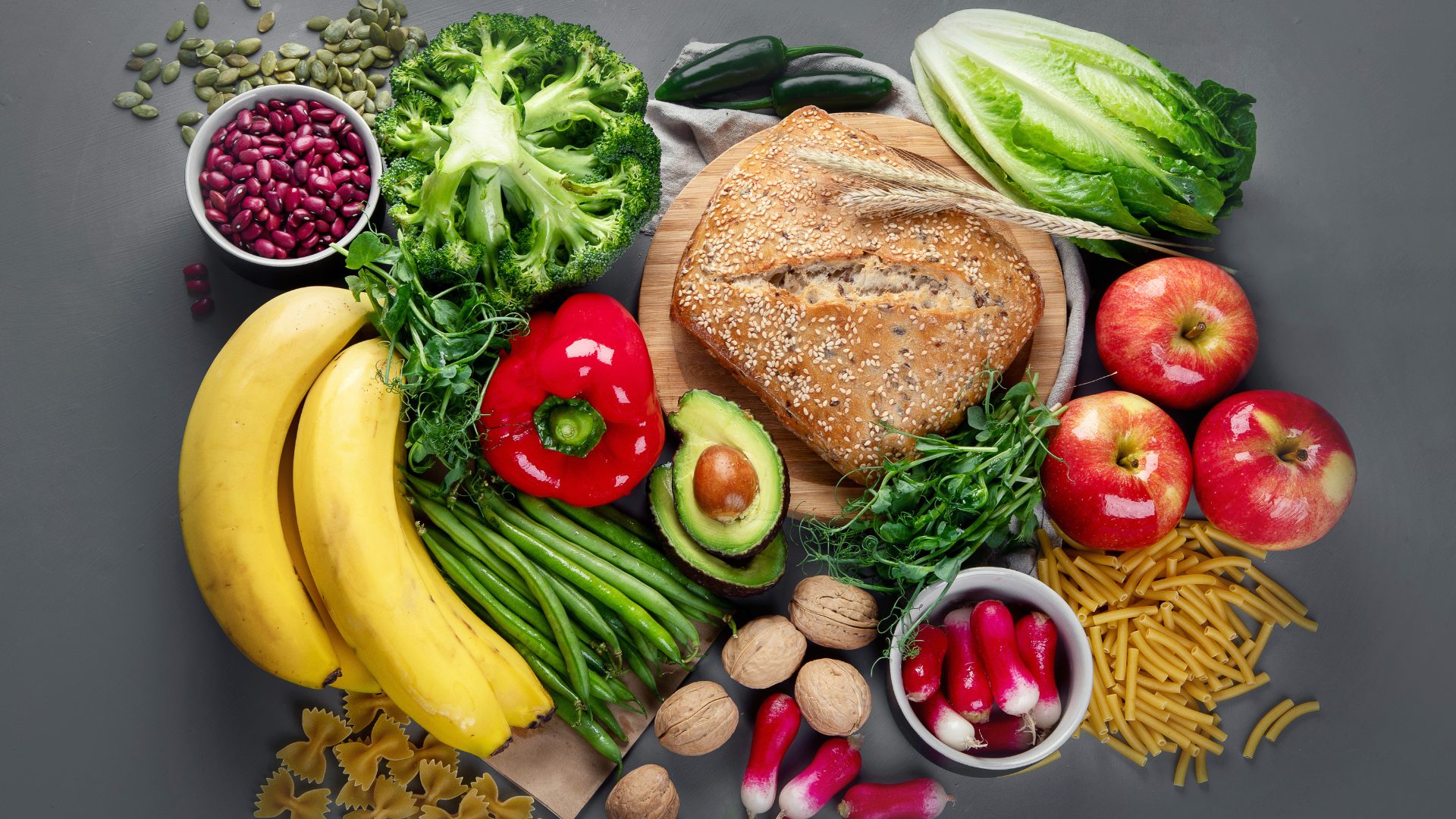
For those looking for ways to eat healthier and ring in a new year, the registered dietitian recommended the following four foods, which not only carry symbolic meaning but also offer real nutritional benefits all year long:
- Black-eyed peas: Often consumed on New Year’s Day as a symbol of good luck and prosperity, the humble legume also happens to be rich in fiber and plant protein, which support steadier blood sugar and digestion.
- Dark, leafy greens: While collard greens are often paired with black-eyed peas on New Year’s Day to represent wealth since they’re green like money, they are also a rich source of vitamin A and antioxidants, which promote eye health and long-term wellness.
- Fatty fish: Aptly symbolizing abundance, fatty fish such as salmon and mackerel are packed with omega-3 fatty acids and vitamin D – two nutrients that many U.S. adults are deficient in.
- Nuts: Often symbols of good luck or fertility, nuts like walnuts and almonds are also known for their nutrient density and ability to improve both gut health and blood sugar control.
Food for Thought Leadership
This Episode is Sponsored by: Koelnmesse
Snacking in the U.S. has been on the rise for many years, but is this a global phenomenon? Sabine Schommer, Director, ISM, and Guido Hentschke, Director, ProSweets Cologne and ISM Ingredients, explore European and global snacking trends, and how the trio of ISM, ISM Ingredients, and ProSweets Cologne serve as a meeting place for the global snacking industry.